

Beyond the Data: Chișinău

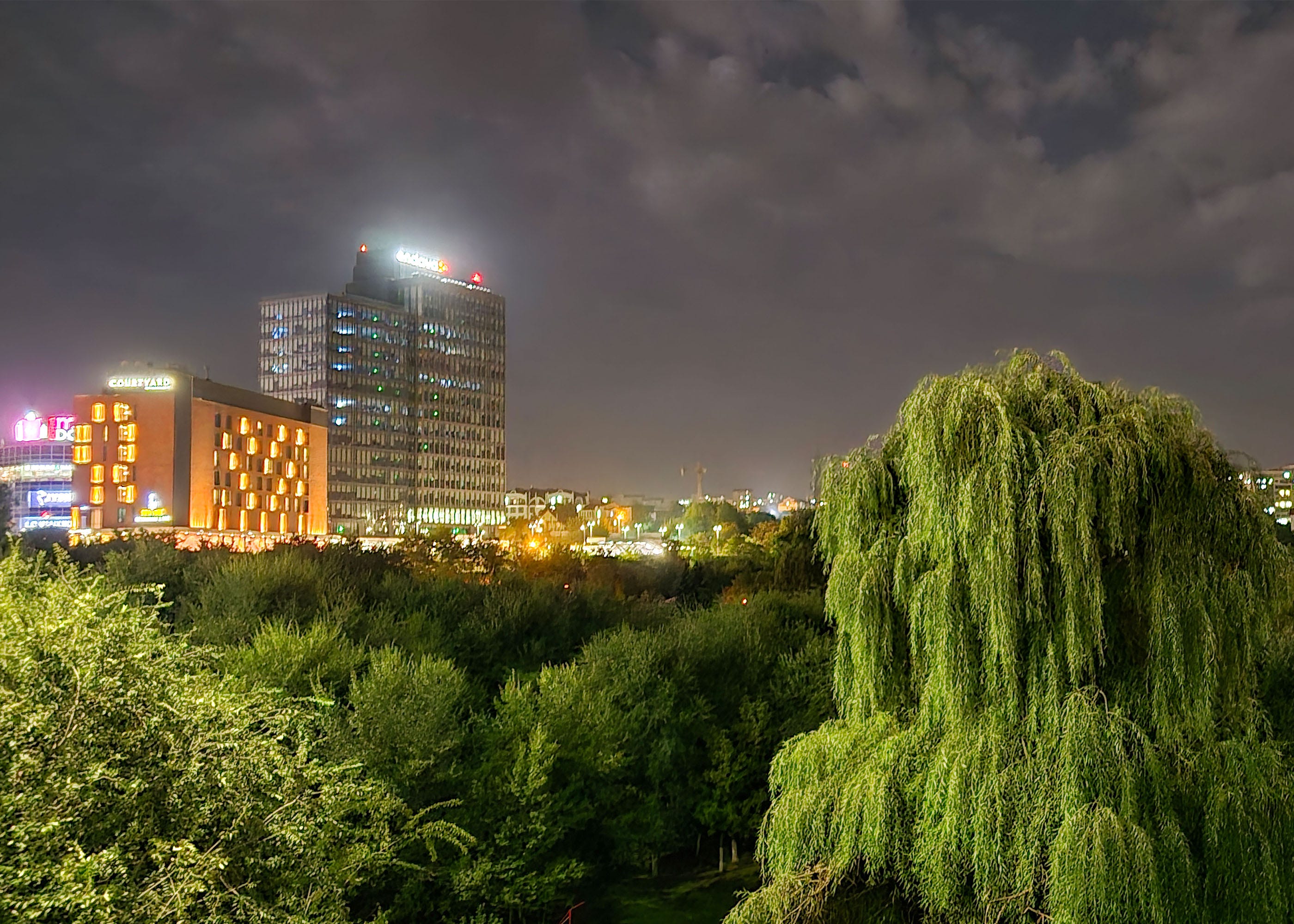
Chișinău, Molodova, Tuesday, September 17, 2024, 9:33 PM
We are starting the beyond the data series with a “not so obvious” choice - Moldova’s capital. Most have been or at least heard of Prague, Budapest or Gdańsk, but Chișinău hasn’t made it yet into the list of mainstream destination. There are some practical reasons for this - and some made-up ones. First, Chișinău is a very, very safe place, especially for women. There is no mass immigration from non-European societies like in France, Spain, Germany or the UK, no stag parties like in Prague or Budapest, no party tourism like in Sunny Beach or Rhodos and no mass tourism like in Southern Spain or Ibiza.
I arrived in Chișinău on the hottest day of the year, late August 2023. The flight from Istanbul landed shortly after 1 p.m., and the heat was oppressive, a thick, scorched kind of heat that clings to everything. It was 42 degrees Celsius, or 108 degrees Fahrenheit. To make things even more welcoming, the airport was under tight security. A Tajik mobster had shot two border guards there not long before, so every piece of luggage was being X-rayed and scrutinized.
The young woman at passport control looked me over, then flipped through my Swiss passport.
“What are you doing in Moldova?” she asked.
“Tourist,” I replied truthfully.
“Why?” she said — flat, unsmiling.
So I told her the story of dating a young lady from Chișinău living in France and working in the wine industry (yes Miss P, that’s you in case you happen to read this, at least one of us who chose a meaningful job, and this would be you) and how I had promised to visit her country. She raised an eyebrow and smirked. “Women,” she said, knowingly, and stamped my passport.
Or at least, I thought she did. She actually forgot to stamp it, which would become a separate story later on.
The airport itself was small but surprisingly modern. I withdrew some local currency from an ATM and stepped out into the blazing heat, only to find there were no taxis. Like none, nada. A lone Prius pulled up, scooped up a few locals, and disappeared. I retreated to the air-conditioned arrival hall, where two local girls came to my rescue and helped me install Letz, Moldova’s ride-sharing app, on my phone.
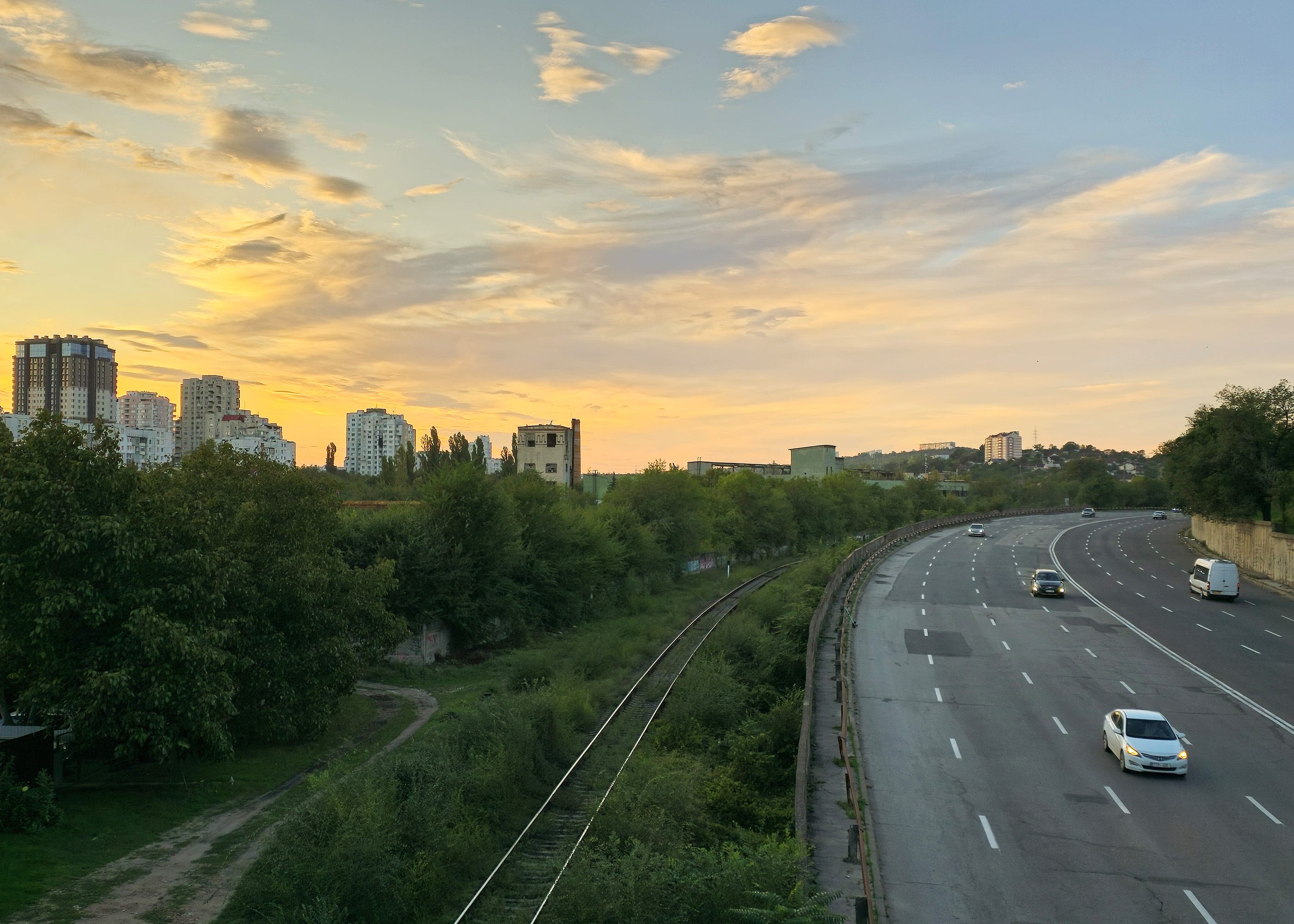
Chișinău, Molodova, Thursday, September 19, 2024, 6:49 PM, from some angles Chișinău fulfills all stereotypes of a concrete dystopia
The ride into the city was smooth and quick, the streets mostly empty. Huge concrete apartment blocks rose from surprisingly green wooded hills like something from a post-Soviet fantasy film. Somewhere between “Solaris”, Endor — the forest planet in “Star Wars” — and “Dune”. Because it was too hot to function, I ended up camped in the lobby of the Marriott (the only one in the country), downing cold drinks and sitting behind my laptop.
Later that evening, I ventured out to buy some water. A short walk over the bridge — separating the Marriott from the city center proper — took me across a narrow nondescript small stream and into a large supermarket. It was past 10 pm local time, yet the place was brightly lit and impressively stocked. Like better stocked than many supermarkets in Western Europe. I grabbed a few bottles of Borjomi (which I love, try it, you are going to love it too) and some local brands, and headed to the checkout.
There were no customers — only a cluster of cheerful young women working at the cash registers, probably students, full of energy. They asked where I was from, what I was doing in Moldova, and seemed genuinely delighted if a little bewildered I had come.
So, first impressions of Chișinău? Very good. Brutally hot, yes — but cheerful, helpful, friendly and unexpectedly modern. Now, when I told this later to Miss P, she was like “of course they are nice with you, pfff” — not sure what she meant by that. And it is safe. Whatever some statistics or “digital nomads” are trying to tell you, the truth is: Chișinău is really safe, especially for women. The city is easily walkable and safe also at night. You’re more likely to twist your ankle in a poorly lit side street in Chișinău than to get robbed. Also, the city center is pretty. Not beautiful like Tallinn or Vilnius, but pretty and clean. Some bald YouTuber from the UK called Moldova once the “greyest, ugliest place in Europe” or something like that. I would say that in the UK alone I could name plenty of towns which easily beat Chișinău in terms of greyness or ugliness.
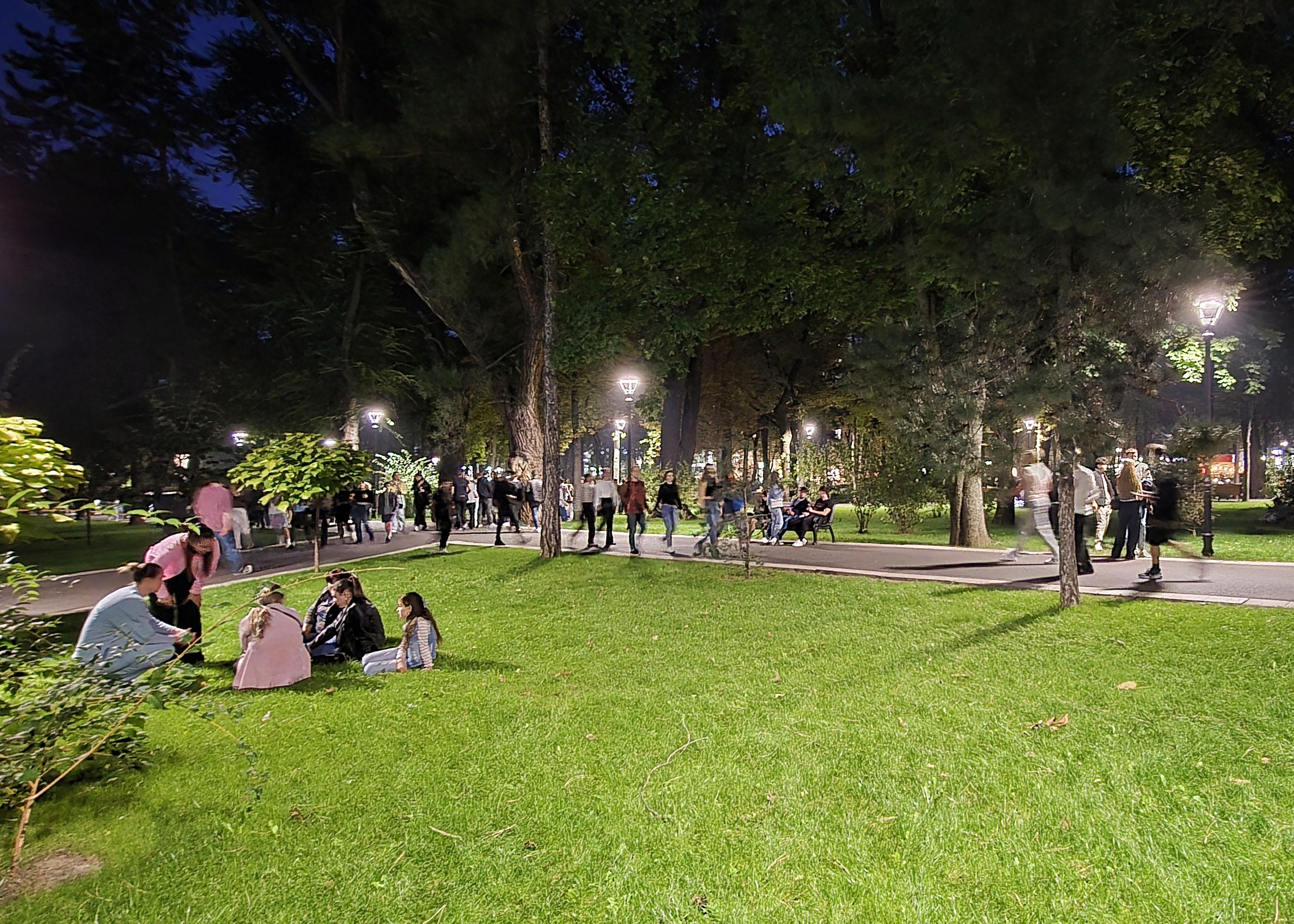
Chișinău is one of the safest and cleanest capital cities I know - even by Eastern European standards
To call Chișinău a pulsing metropolis would be a gross overstatement. It has the vibe of a slightly sleepy provincial city. There is no glamorous waterfront apart from the rather nice Lacul Morilor and some artificial lakes in the larger parks, no huge river passing through the city, no spectacular building, no crazy nightlife area. There is actually nothing particularly special about Chișinău at first glance. I wanted to see the house Pushkin lived in for a couple of years and walked there. Two or three minutes away there was a small coffee place. I had an espresso and a water and chatted with the owner. I was the only guest. It had truly the vibe of a forgotten place, which is, in a way, really good.
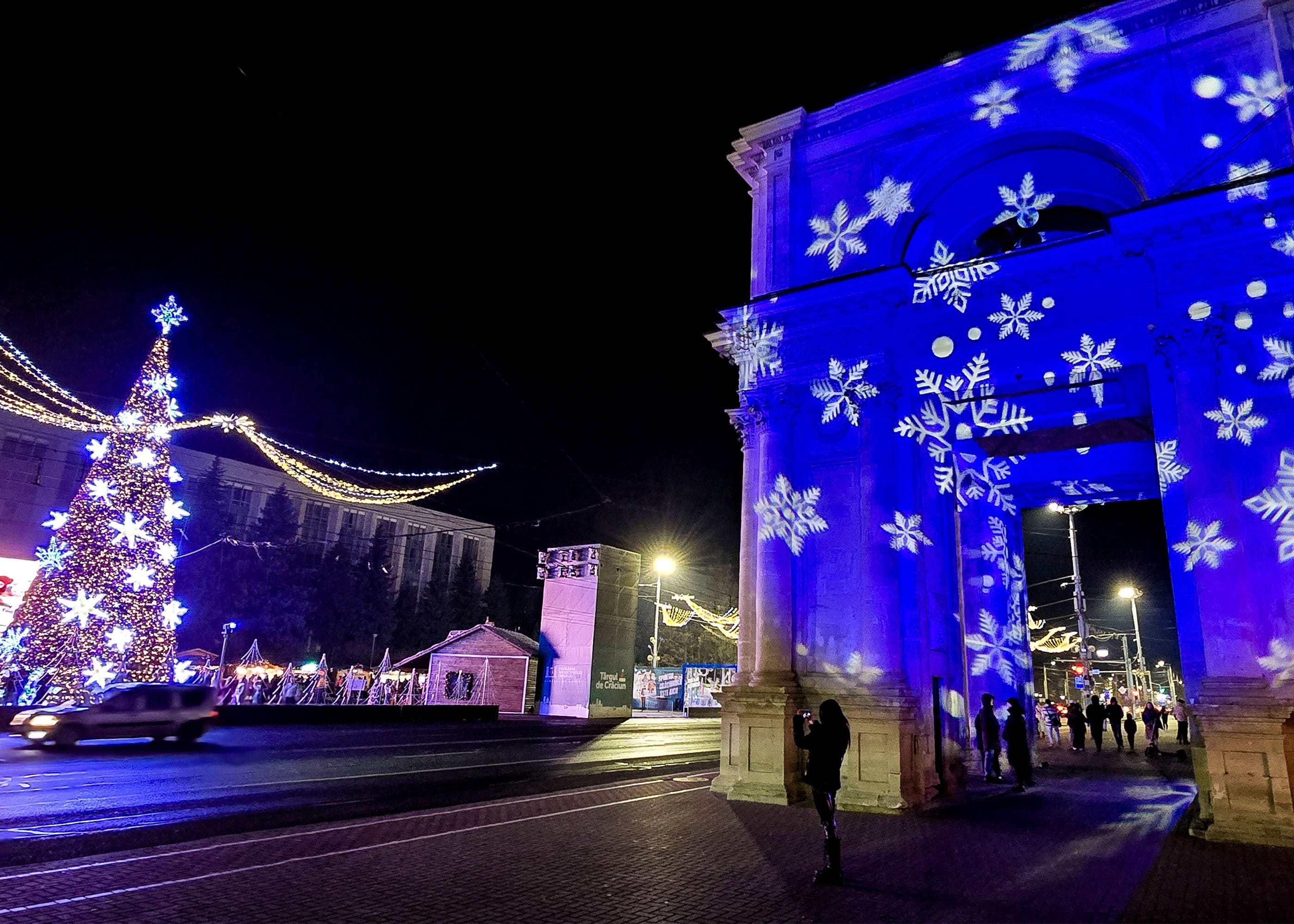
Chișinău, Molodova, Wednesday, January 1, 2025, 9:15 PM, Christmas decoration in the center
So Chișinău is not a hugely exciting city. But this is not necessarily a bad thing, as you still find all the mod cons — cool coffee places, nice restaurants, lush parks with plenty of areas to sit and relax. The location and the relative lack of spectacular sights mean also a distinctive lack of tourists, which is very unusual today for a capital city, even in Eastern Europe. Let me repeat: in most cases you are not going to see any tourists whatsoever. There is a barber shop I visit every three or four months when I am in town, and they easily recognize me there — “the Swiss who speaks broken Romanian and pidgin Russian.” They really don’t see many tourists.
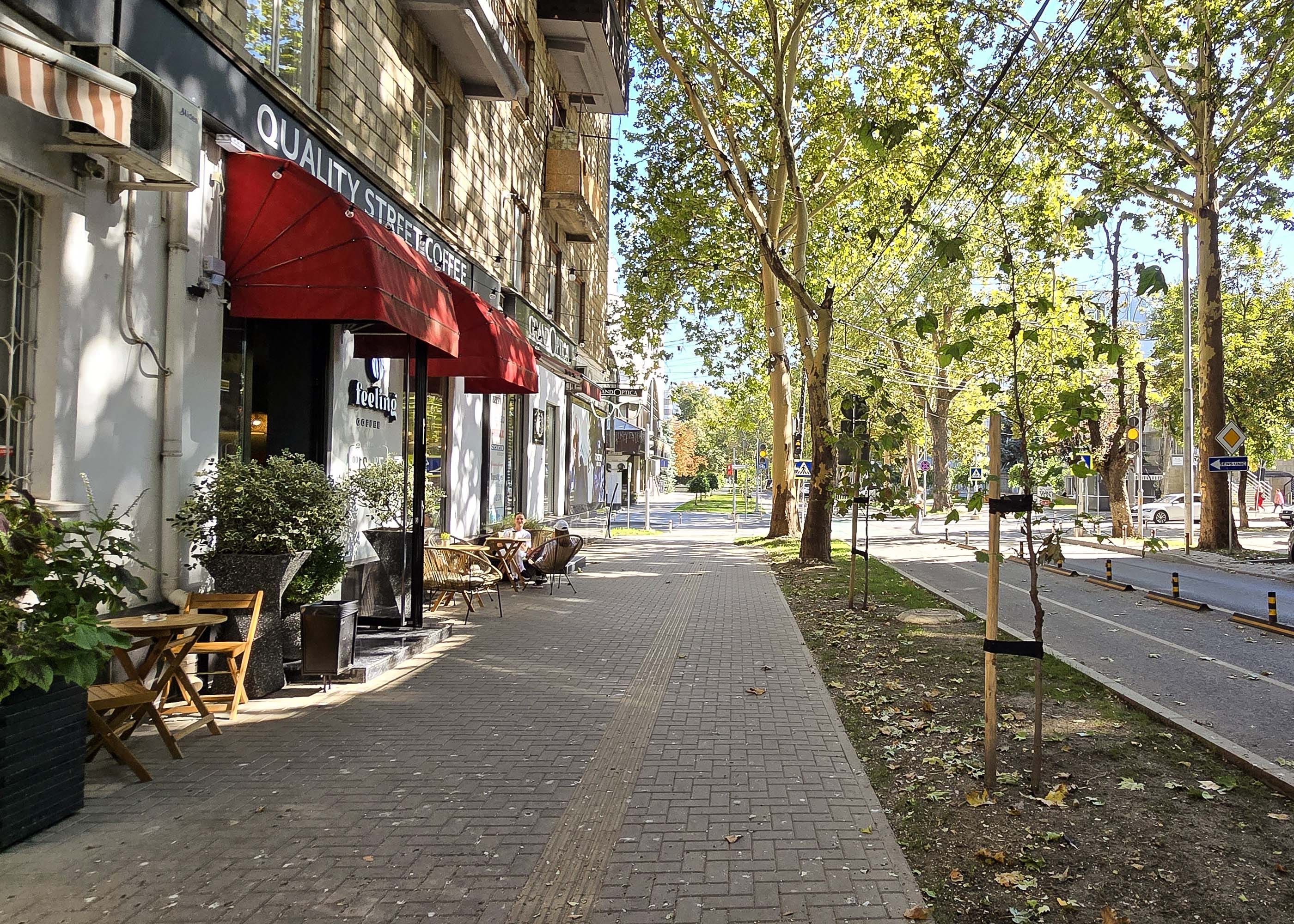
Chișinău, Molodova
There are a couple of larger boulevards in the center, like the Stefan cel Mare si Sfant Boulevard, where Chișinău looks surprisingly urban. But just one or two streets behind you can spot stray cats lazing in front of shops or cafés. And beyond the city center proper, multi-story buildings quickly give way to single-story buildings lining the streets. Many of them are from the 18th and 19th century and rather beautiful. Very often you expect Alexander Pushkin or some other historical character to turn around the corner.
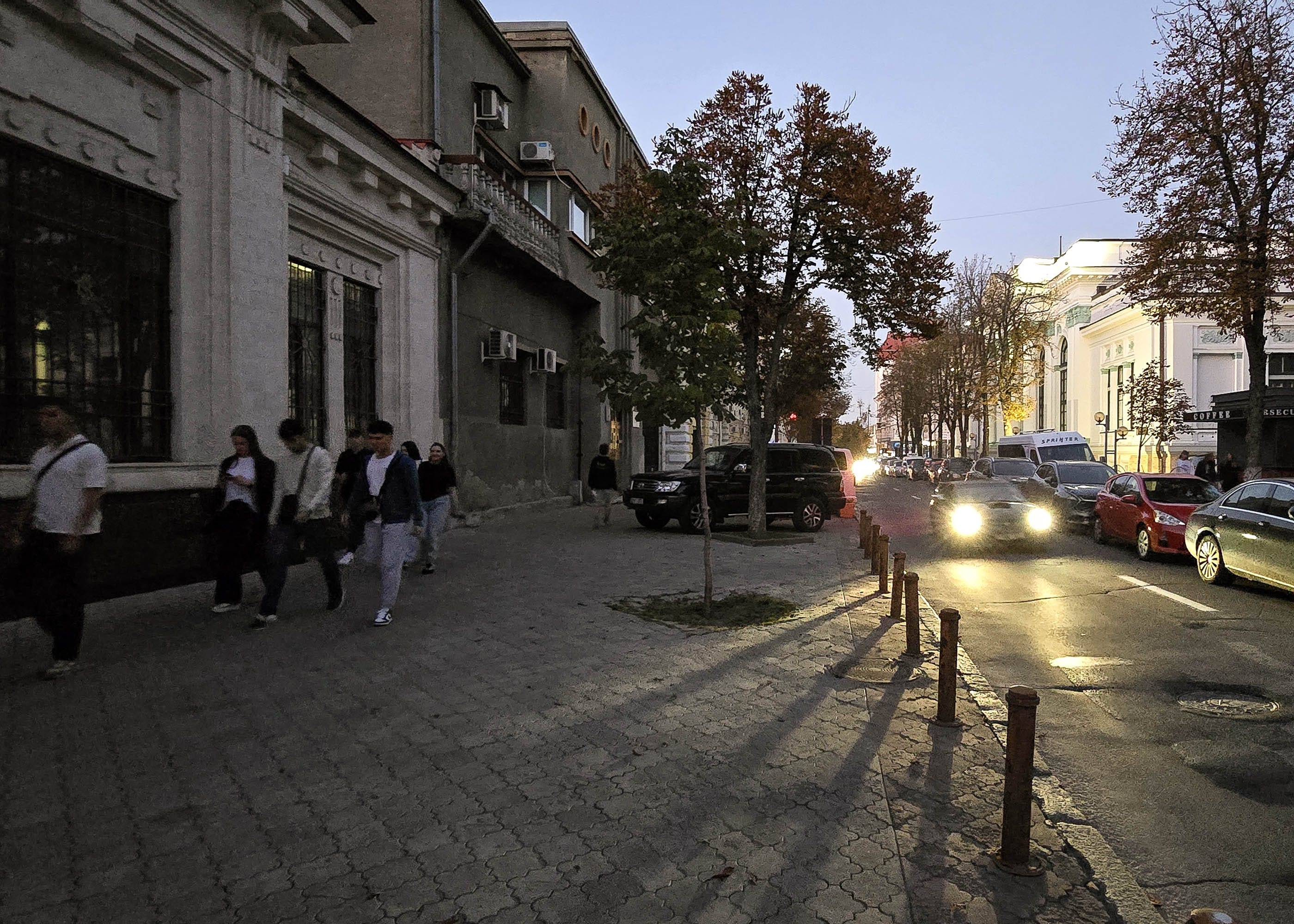
Chișinău, Molodova, clean, safe, but don’t expect flawless pavement like in Monte Carlo
The relative lack of foreigners means you engage more with the locals. I had a fairly lengthy discussion with the owner of a wine bar on Strada Alexei Sciusev about wine (obviously), the war in Ukraine, Europe and Russia. In restaurants, barber shops and the like, people often asked where I was from and showed genuine curiosity about what had brought me to Moldova — or the Republic of Moldova, or “Moldau” as we might more accurately call it. Although many younger Moldovans speak fairly good English, you should plan on learning a couple of expressions in either Romanian or Russian. I’ve noticed that younger and better educated people seem to prefer speaking Romanian whereas older people prefer Russian — a similar pattern to the Baltic countries. If you are planning to stay for a bit longer, I would recommend preparing with an app such as Duolingo and finding a local teacher for some one-to-one sessions. This is especially true if you are planning to spend time outside of the capital, which you should — because the countryside is beautiful and Moldova is a wine country, with lots of wineries to discover and wines to taste.
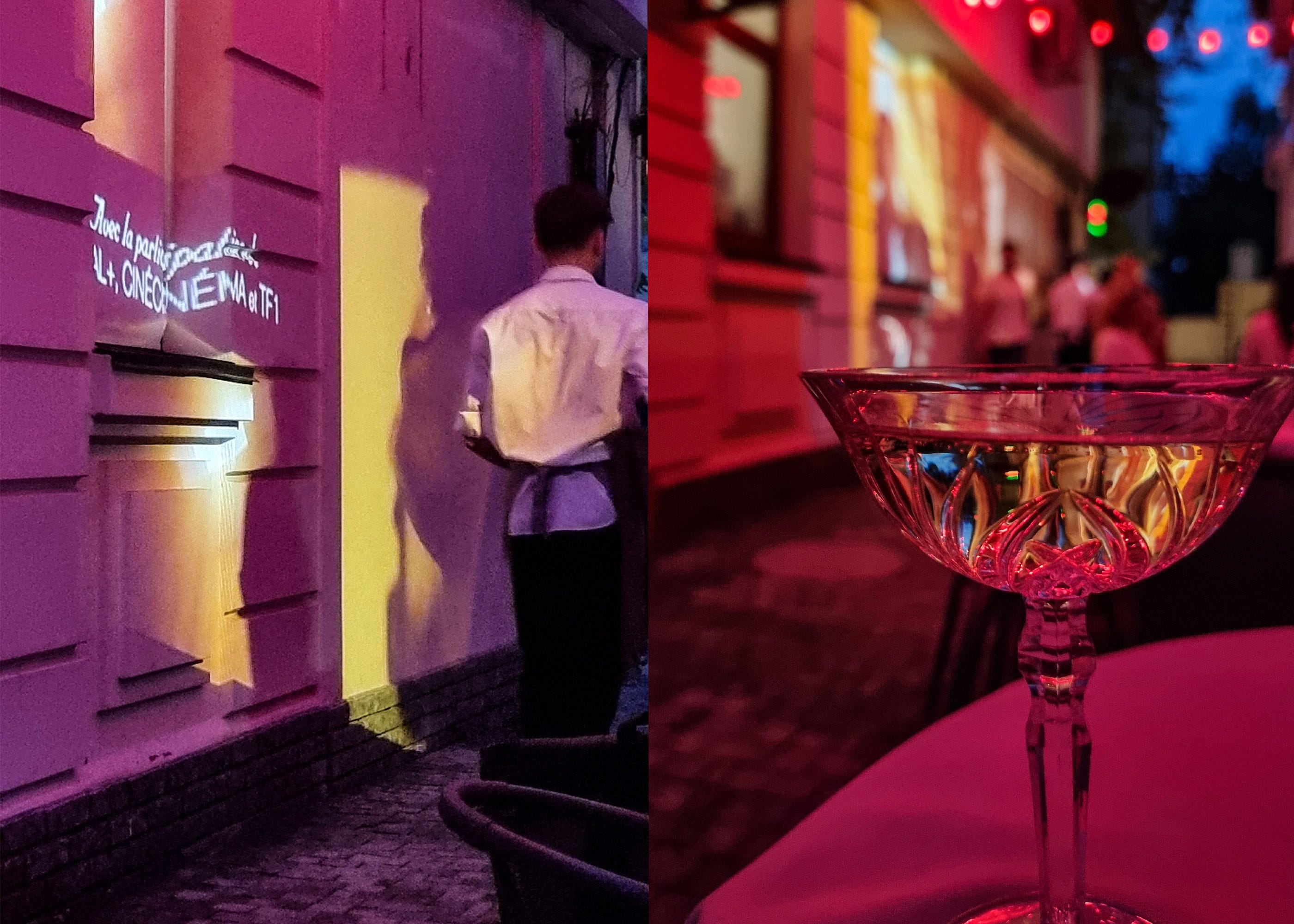
Chișinău, Molodova, Wednesday, August 30, 2023, 8:13 PM, there are many bars and restaurants scattered around town, and some surprisingly good Italian restaurants (or in this case, a French one)
Although I discovered Moldova, like Romania, relatively late, I’ve been here numerous times now and return every couple of months. I am actually writing these lines from the lobby of the Courtyard Marriott hotel just outside the city center. And, as I explain in another piece, I have always had a thing for “B” cities. There is a certain charm to them. In the case of Chișinău, it often reminds me of Odesa — the buildings, the colors and such like. Obviously Odesa is larger and a port city, but as both are part of the historic region of Bessarabia this is also not such a big surprise. “B” cities are smaller but important cities. In Europe, from West to East, this would be Porto, Bilbao, Bordeaux, Cork, Trieste (tiny but I love it), Antwerp, Ljubljana, Tallinn, Vilnius, Gdańsk, Novi Sad, Odesa, Lviv, and Chișinău. And some others of course. On Bessarabia we will talk more at a later stage.
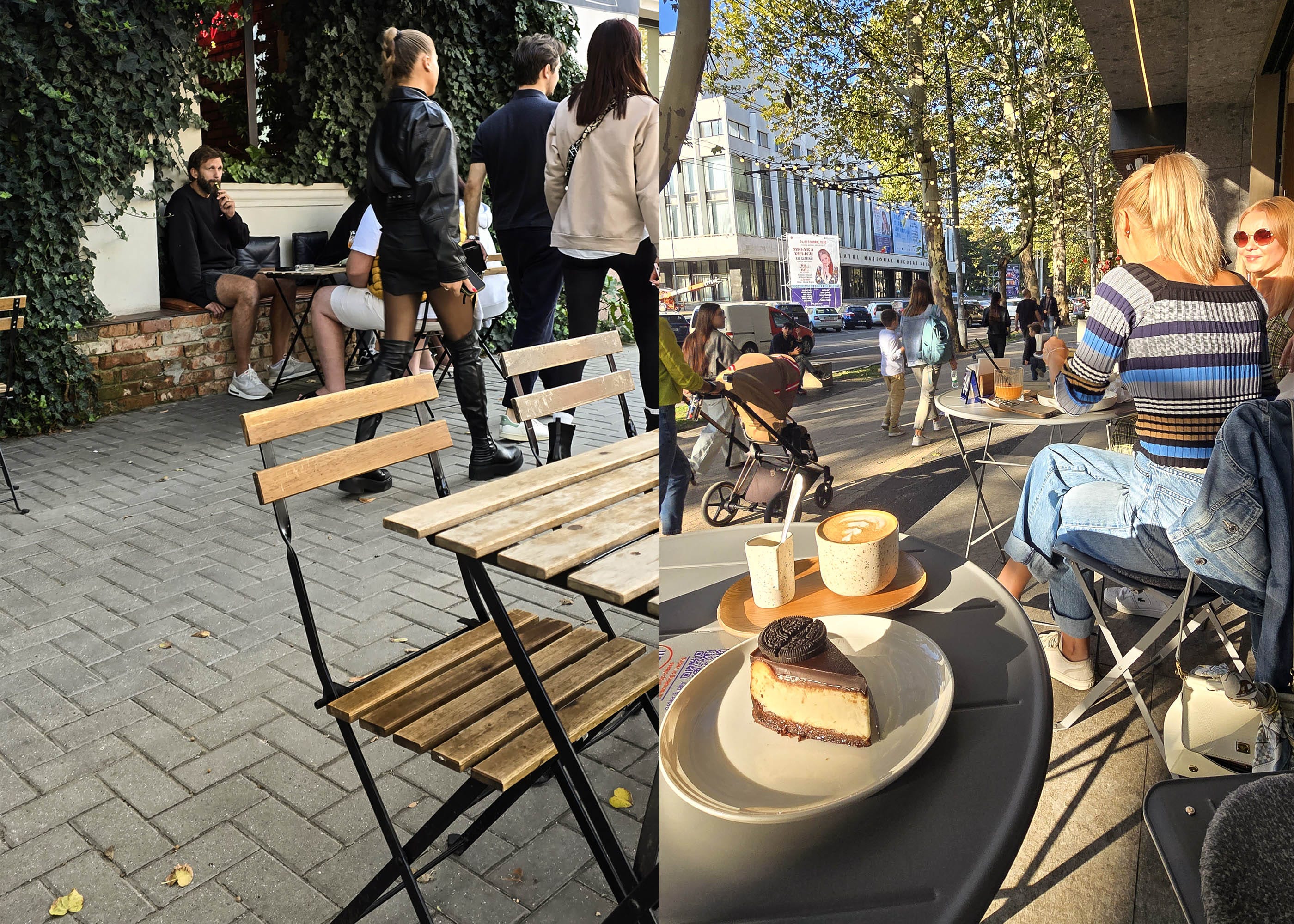
Absolutely no shortage of cool cafés
The people look like a blend of Romania and Ukraine. What a surprise — Moldova is sandwiched between the two. Young people look very urban and stylish and you could see this particular look in any large city in Europe, North America or Australasia. As in many Eastern European countries it’s hard to spot any really obese people. Compared to Romania the people in Moldova are a bit fairer-skinned and have lighter hair and eyes, a look which reminds me of Lviv or Kyiv. And, as in most Eastern European cities, young women often have long hair and long nails, if you happen to like this look. I do.
Price-wise Chișinău is cheaper than most countries in Eastern Europe. It’s significantly cheaper than Romania or Bulgaria, and also a bit cheaper than Serbia. But as everywhere, once you start going to restaurants with imported foods — Spanish ham or Italian cheeses — the prices are comparable to Bucharest or Sofia. So if you want to benefit from overall lower prices, go for local produce and local restaurants. If prices are less of a concern, there are a number of really good Italian restaurants and steakhouses with high quality imported goods and prices to match.
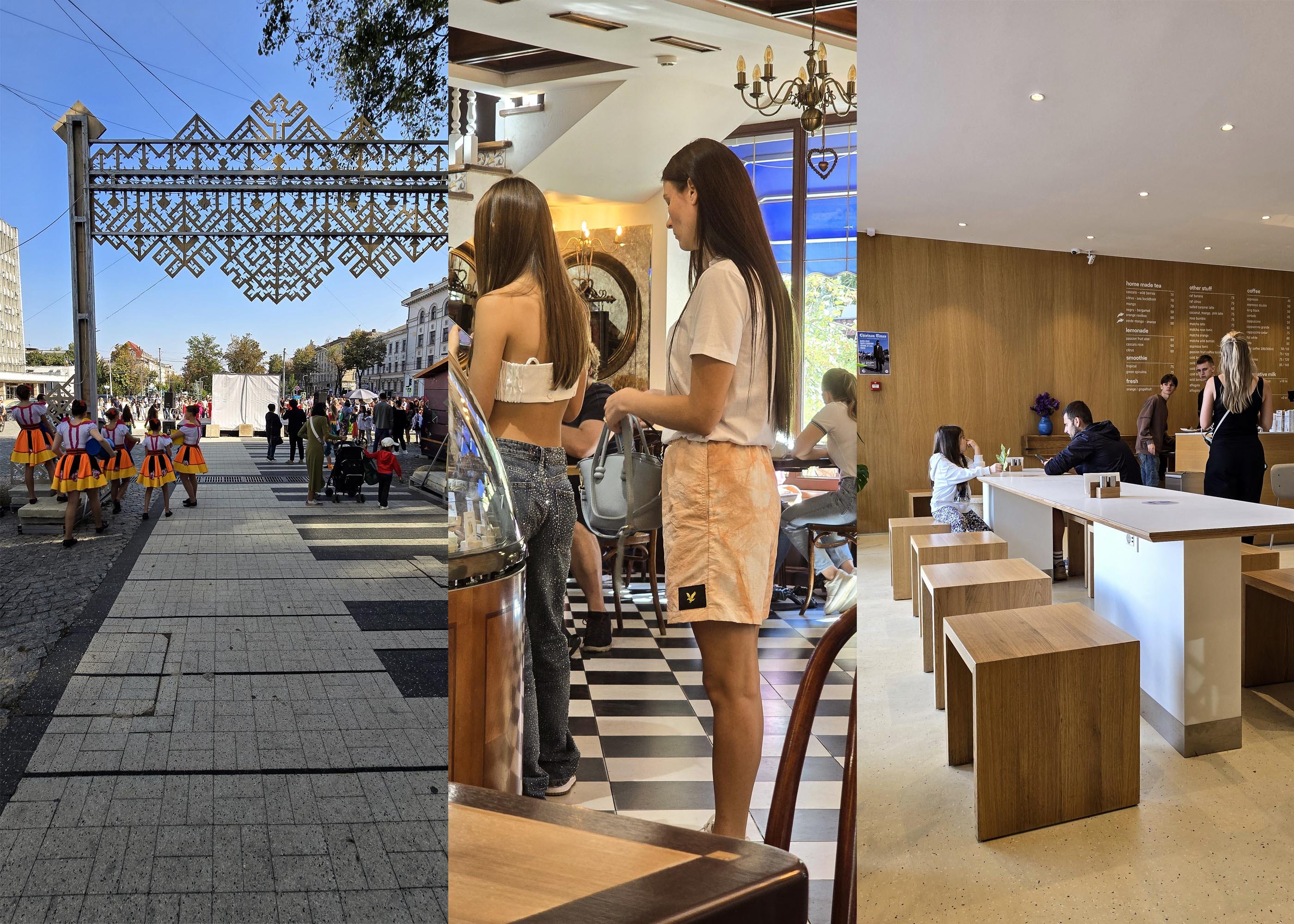
Wherever you go, the word which probably describes Chișinău very well is “relaxed”
In a way Chișinău is the “odd one out” in Eastern Europe, at least for the time being. Moldova is not part of the European Union, and it’s not located in an area which allows relatively easy access to the large population centers of Central and Eastern Europe, such as Bratislava, Prague, Wrocław or Poznań. It’s also not large or connected enough to be as attractive as, say, Budapest, Warsaw or Bucharest. And it doesn’t have the boutique feel of Tallinn, Riga or Vilnius. It does, however, have its own charm.
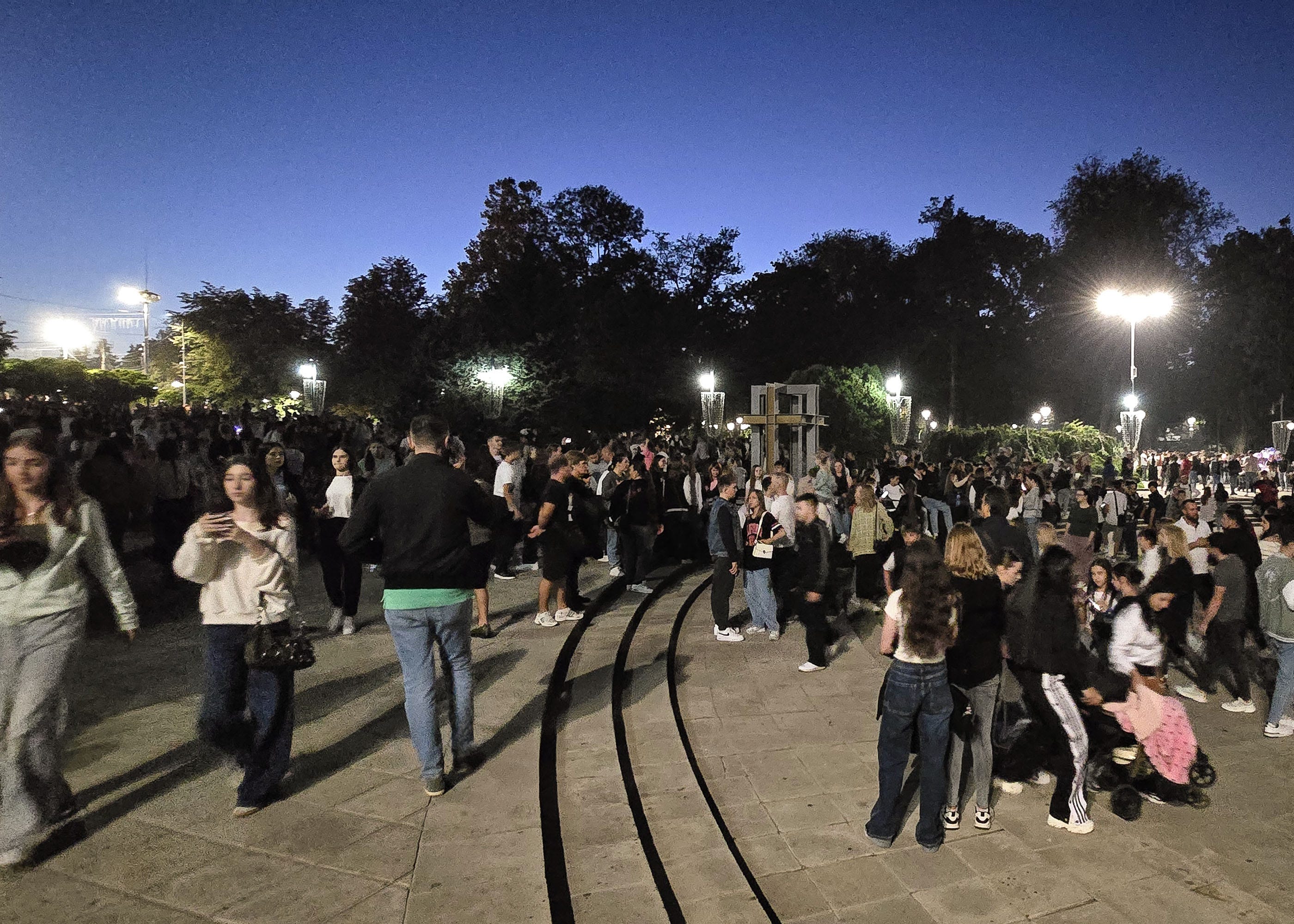
Evening in Chișinău
It’s one of the most affordable capital cities in Europe, and if you don’t mind crossing the border, you can easily drive to Romania — Iași, for example. There is also the Transnistria situation. Transnistria is a narrow sliver of land east of the Dniester river, sandwiched between Moldova proper and Ukraine. It broke away from Moldova in the early 1990s after the Soviet Union collapsed, even fighting a brief war over it. It more or less functions like its own country, with its own Russian-controlled “government”, currency, military, and flag — but no other nation in the world officially recognizes it as independent (perhaps because it isn’t really independent). Russia never formally recognized it either, preferring to keep the dispute alive — a pattern Moscow has repeated across the former Soviet Union, systematically exploiting local tensions to create “frozen conflicts” that assert Russian influence and block neighboring countries from integrating with the West. Although what “West” actually means in 2026 is a separate question. Going to Transnistria is possible, but can get you into trouble because of your passport, the stamps in your passport, or simply because you are met with suspicion. Or some local mobster sees money to be made by arresting you on whatever grounds he just came up with. Up to you.
Chișinău is just the beginning. In the coming months and years we will work our way through every major city in Eastern Europe — starting with personal experience and going deeper: costs, neighborhoods, bureaucracy, risks, business opportunities, dating.
We are going to look at the usual suspects like Prague, but we are also going to discover places off the map of mainstream tourism such as Baku, Batumi or Iași.
Everything you need to live and manoeuvre like a professional. I’ve done it, I am doing it — so can you.