On Crimea
A personal "noir" journey through one of Europe's most contested, beautiful, and misunderstood place

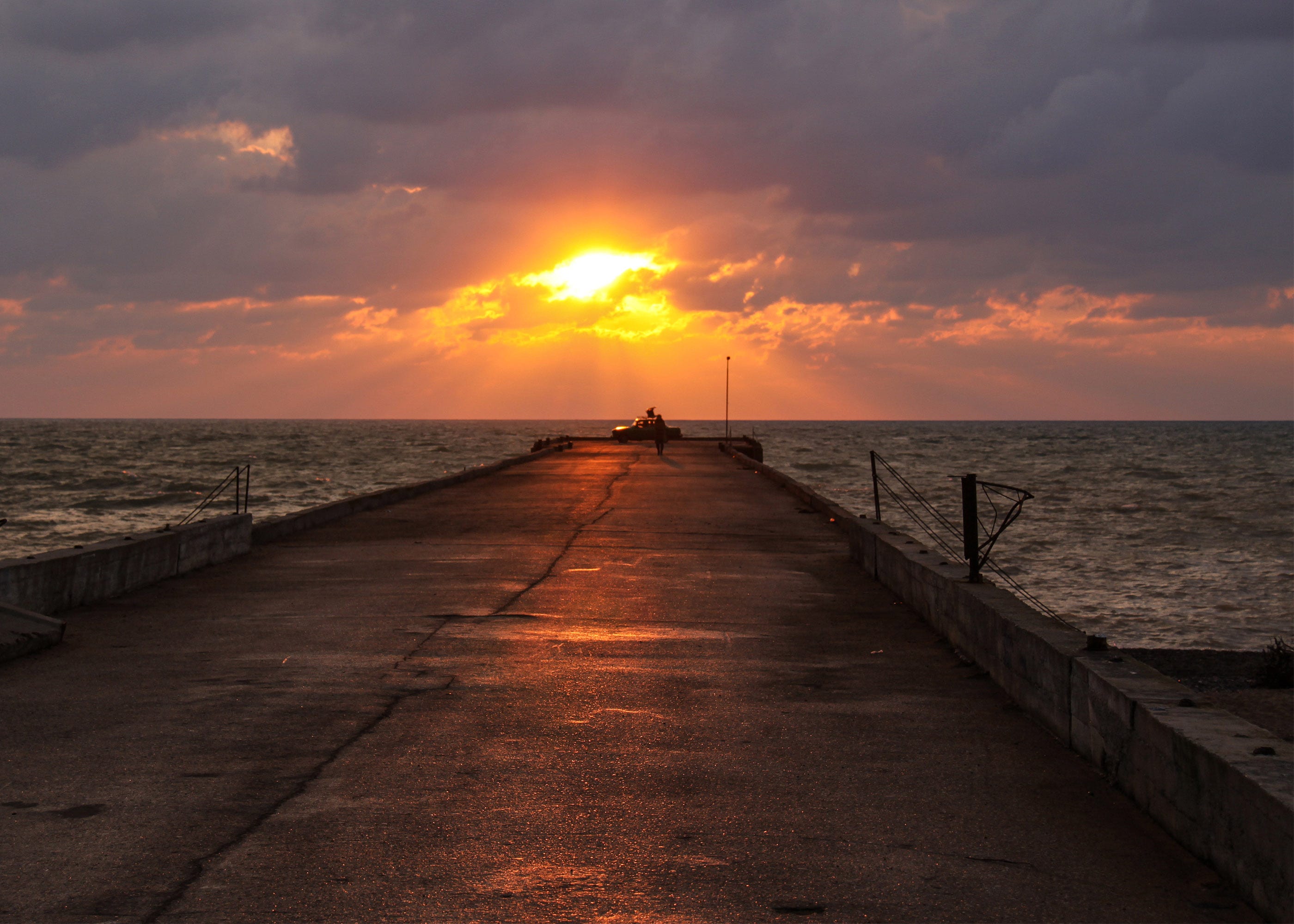
The Black Sea, Crimea.
Compared to the time when Phileas Fogg circled the Earth things have become smaller. Most middle class people have been to Bali or Dubai, to Spain’s Costa Blanca or to Las Vegas. And the so called digital nomads, Ayurveda-discoverers and soul-searchers flocked to every “secret tip” location from Goa to Kathmandu. But there are places which are still truly off the radar of 99 percent of earthlings. Crimea is one of them.
There are regions in the world where things are different, truly different. The first one which comes to mind is Northern Ireland. I’d been living in Ireland for four years, in the Republic that is, and on my first day at IBM, we filled out some forms. There was a list of countries with “the UK & Northern Ireland” on it, and an Irish guy, who thought I was Irish too, said to another guy who asked a question about Northern Ireland and the Republic: “there is only one Ireland.”
Another time, visiting a pub in Belfast, a guy from my wider circle of buddies was told to leave, for no stated reason. The owner simply walked over and said, in a tone of slightly shaken seriousness: “you need to leave right now.” Was it his accent, his clothes, his look, or something else? We never knew. We only knew, by looking at the other punters, staying there would be risky. Like broken beer bottles and knives-risky.
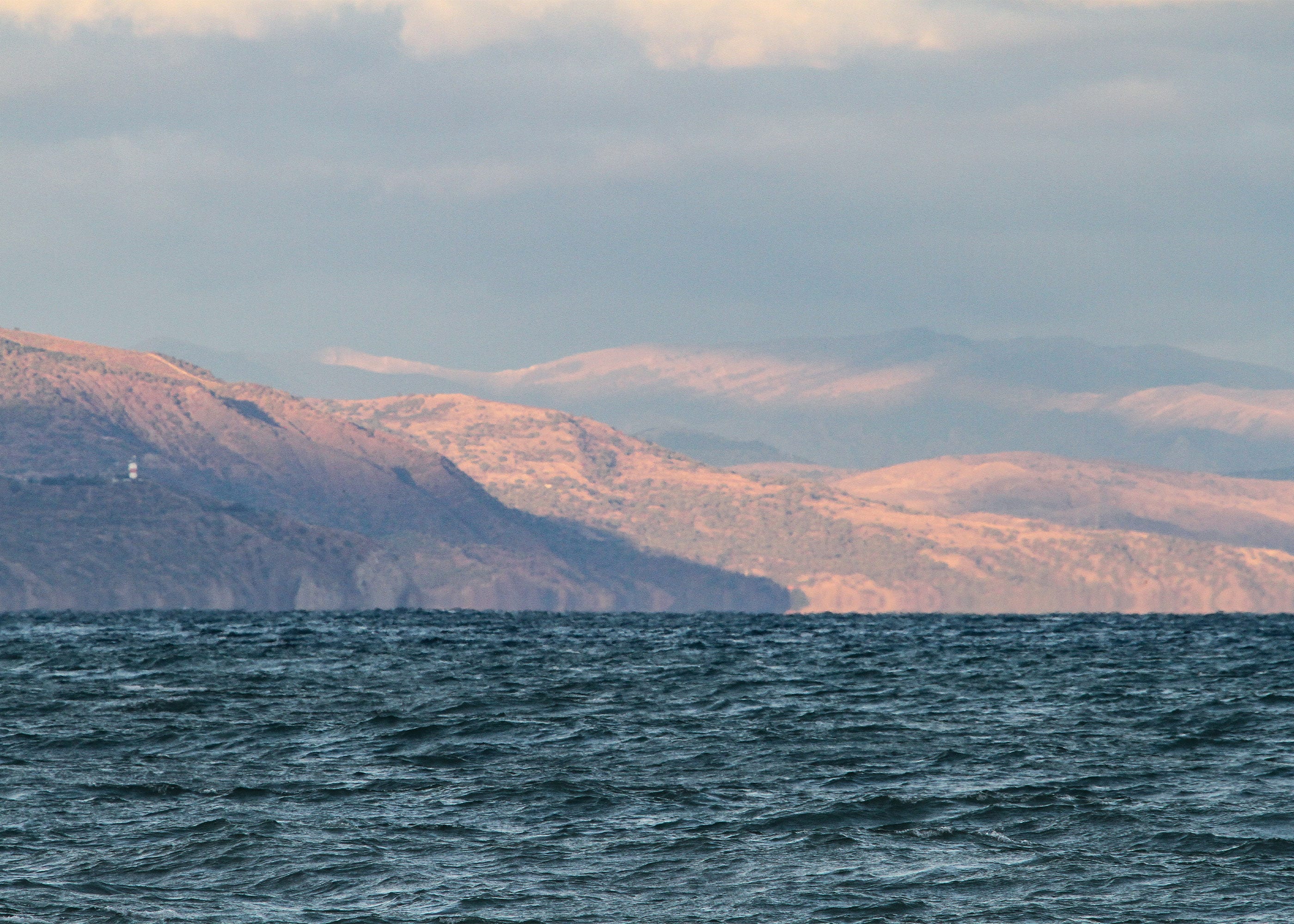
Alushta, looking east. October 2011. To the left, mostly out of frame: the massive Soviet radar stations you can find on Google Earth — for the ones Ukraine hasn't bombed into oblivion yet.
The second of those places I experienced was the Basque country, in Northern Spain and the south-west of France. Bilbao is beautiful, but it had a slightly noir vibe. A certain strangeness, a certain way people looked at you when you entered a restaurant or café.
There are, obviously, reasons why these regions feel “strange”. And it’s not that there is the comfortable shudder you feel when you switch on a thriller movie or horror movie in the safety of your Miami Beach condo. No. The tension is real, you feel it. It’s everywhere.
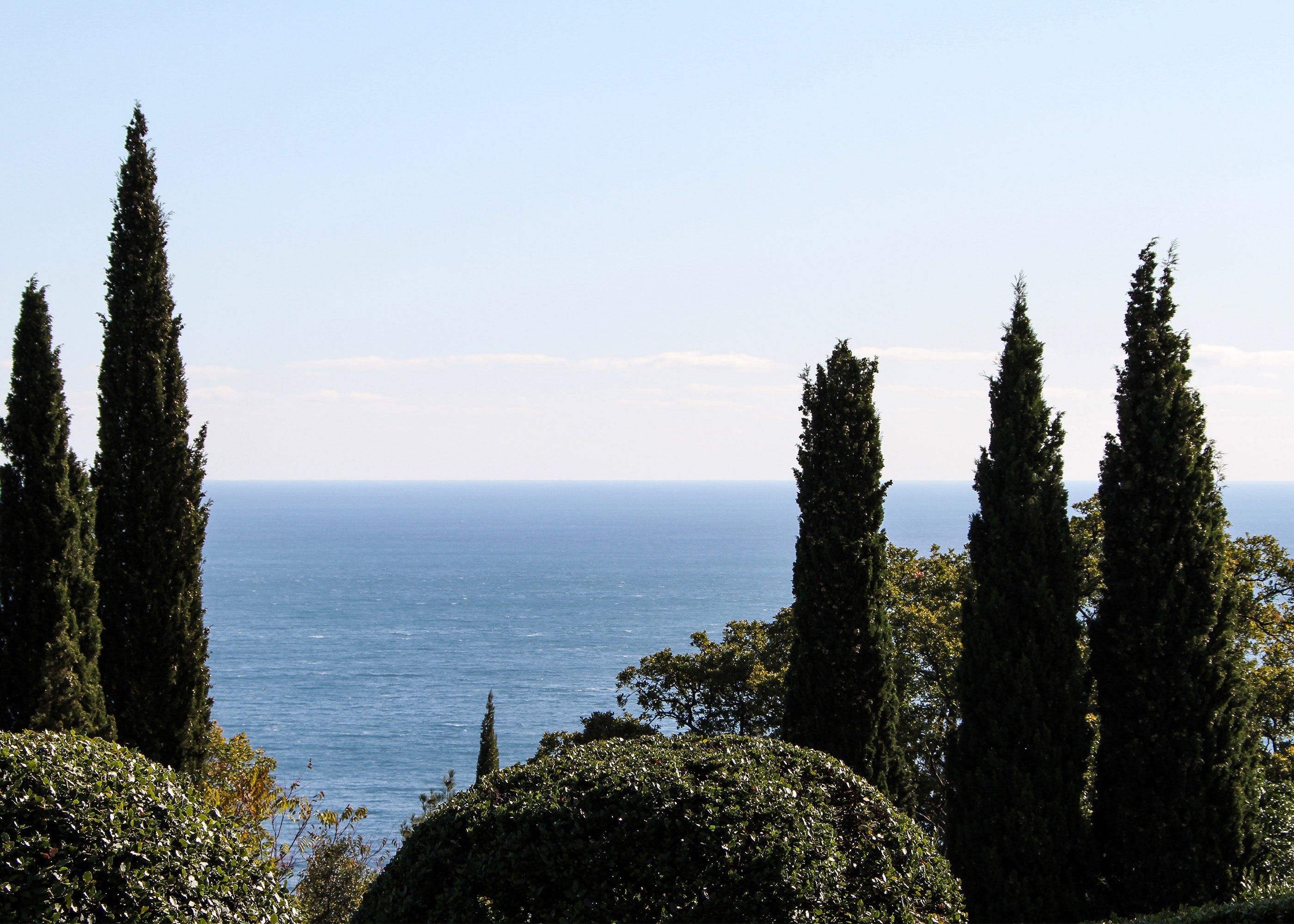
Yalta, Friday, November 4, 2011, 11:42 AM, The cypresses, the topiary, the Sea beyond. You'd guess Tuscany by just looking at the picture.
Although you’re not part of the system and the locals know it immediately when you open your mouth, you can feel the tension lingering in the air. The IRA, ETA, bribery, kidnappings, weapons smuggling, bombs, drug trafficking, all of that sits just under the surface of the pub, the square, the ferry terminal.
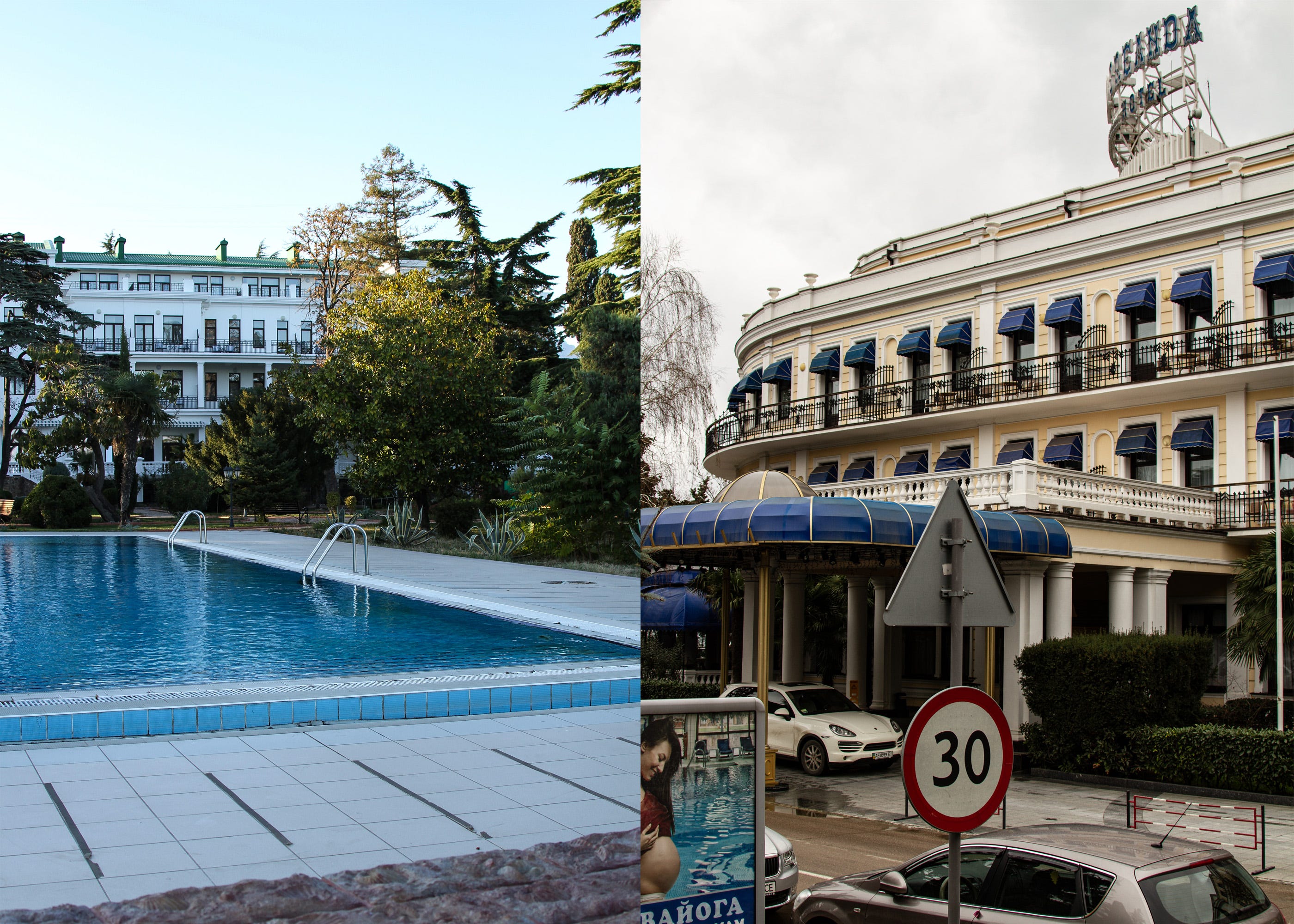
The former Radisson in Alushta (left), the Oreanda in Yalta.
And sometimes religion enters the “game”, or political tensions, or war. Or all of them.
If you’re American and struggling to place this feeling, think of the Louisiana Bayou, New Orleans, the wetlands, the mangroves, the levees that are a political argument as much as an engineering one. French, Spanish, African, Native American histories that collided and never fully resolved. Beautiful because it was built by people who had no other choice. Not dangerous in the way Belfast was dangerous. But not resolved either.
The strangest “Noir Region” I know is Crimea.
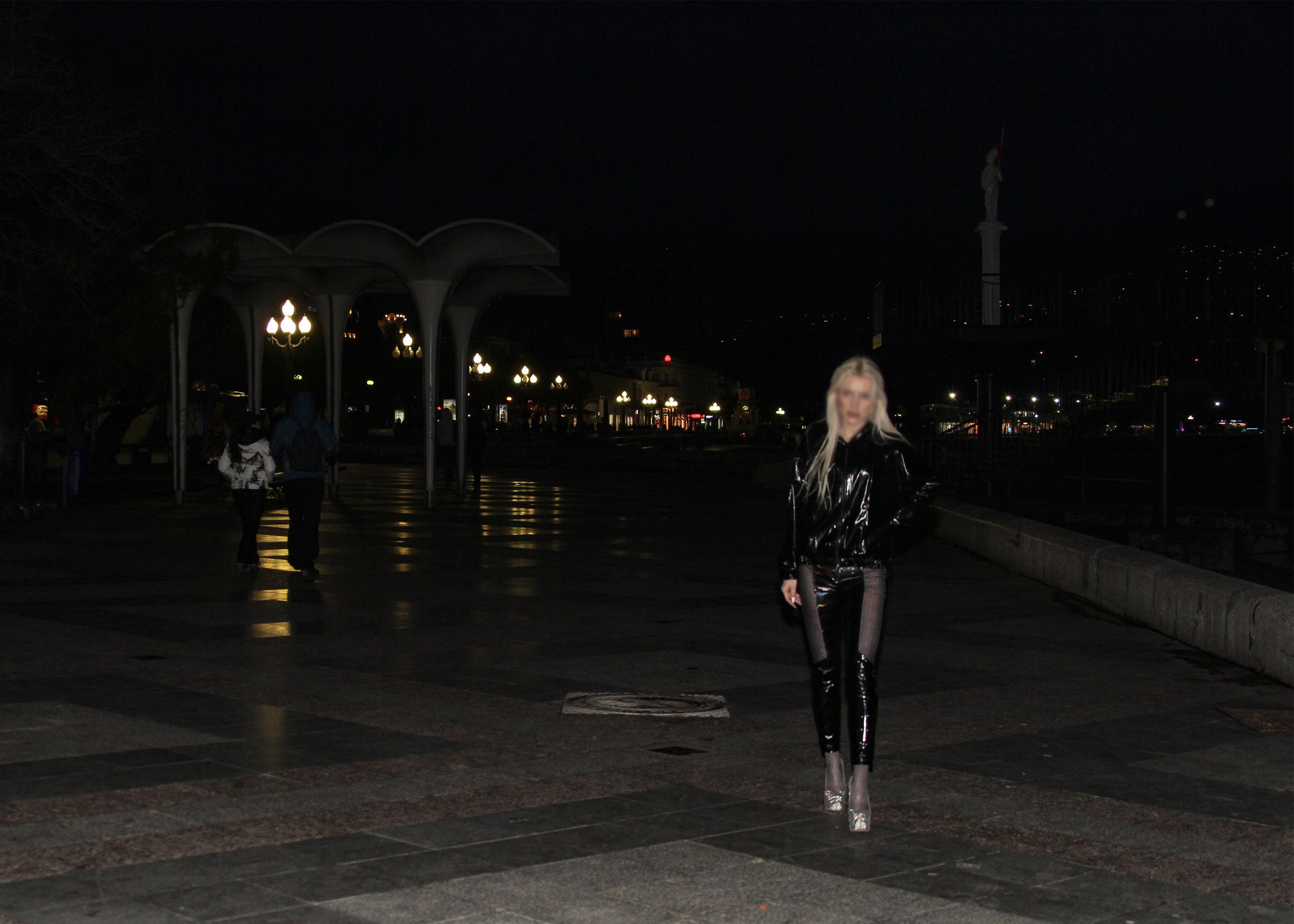
Yalta, Friday, March 29, 2013, 8:26 PM, going for dinner with Yasya.
Crimea is a place which is now in the news, albeit not as often as it used to be. People got tired, the news cycle moves on. But let me tell you, pre 2014 if you went to Crimea, chances were almost nobody knew where it was. I remember returning from Crimea to Geneva for a meeting. When I mentioned where I’d been, I looked into blank faces. Not Dubai, not Nice, not Berlin, not Bali, not Hurghada, not Las Vegas. Now, granted, the same guys also had never heard of the Caucasus before. And, in a funny irony, it’s usually the same “well-educated” Europeans who mock the Americans for not being world-savvy. Drôle, as the French would say.
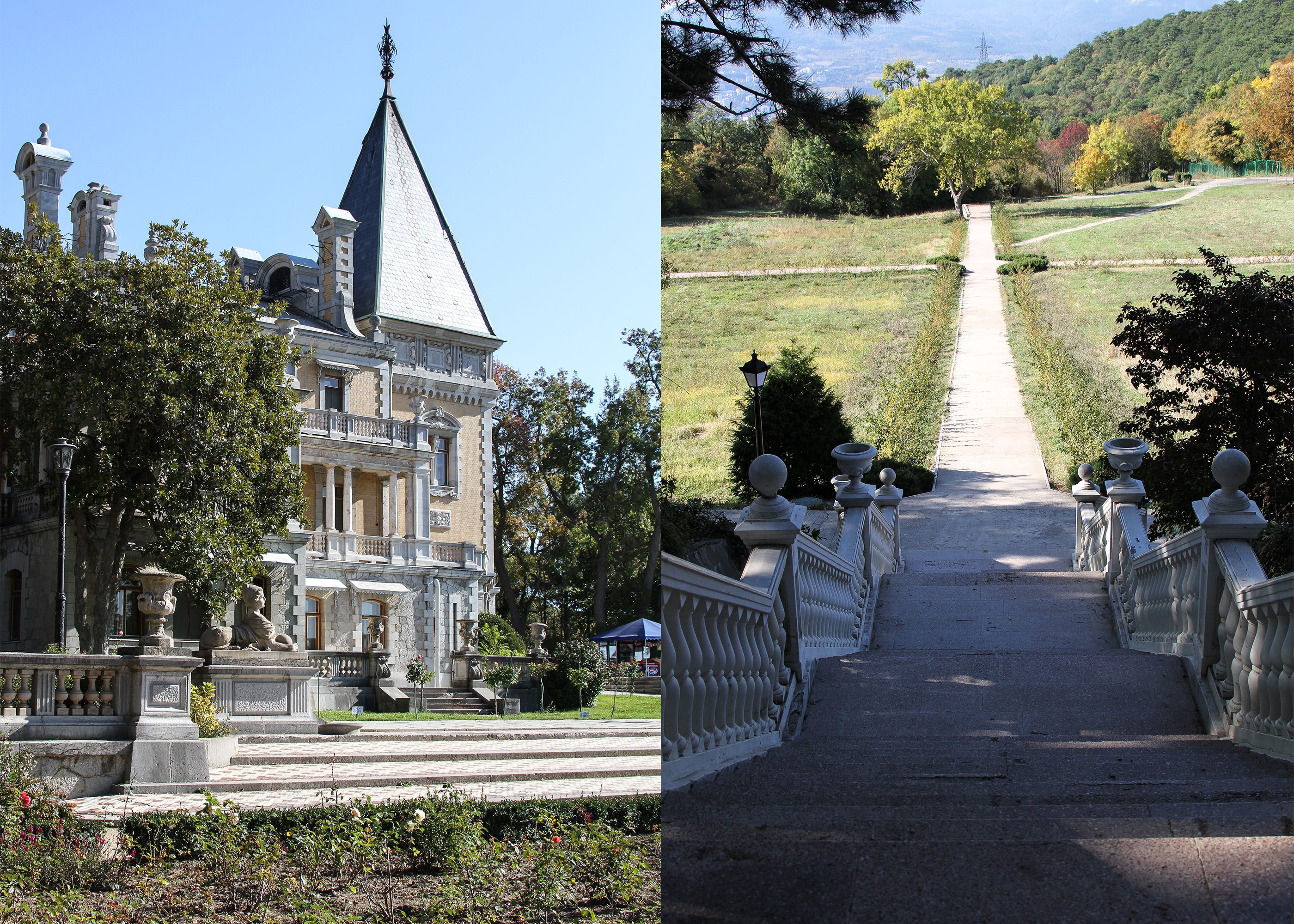
Massandra Palace, Tuesday, October 25, 2011, 12:24 PM. Built for Tsar Alexander III. The architecture isn't Italian or Spanish. It isn't quite French either. It's imperial Russian which incorporates influences from all of the three, on a subtropical coast, which is its own category entirely.
I went to Crimea for the first time in 2010. I landed in the evening and Olya, my back then gf, picked me up from the airport in Simferopol. We drove down to Yalta, and it was — still is — quite an experience. Bad roads, winding slowly upwards, the surroundings getting wilder and wilder. Dark forests, no more villages, mountain roads, hairpin curves. No lights, then a sudden drop, another full set of hairpins, the tarmac of questionable quality, the safety features of the road more or less non-existent. Steep drops down limestone rocks towards the sea.
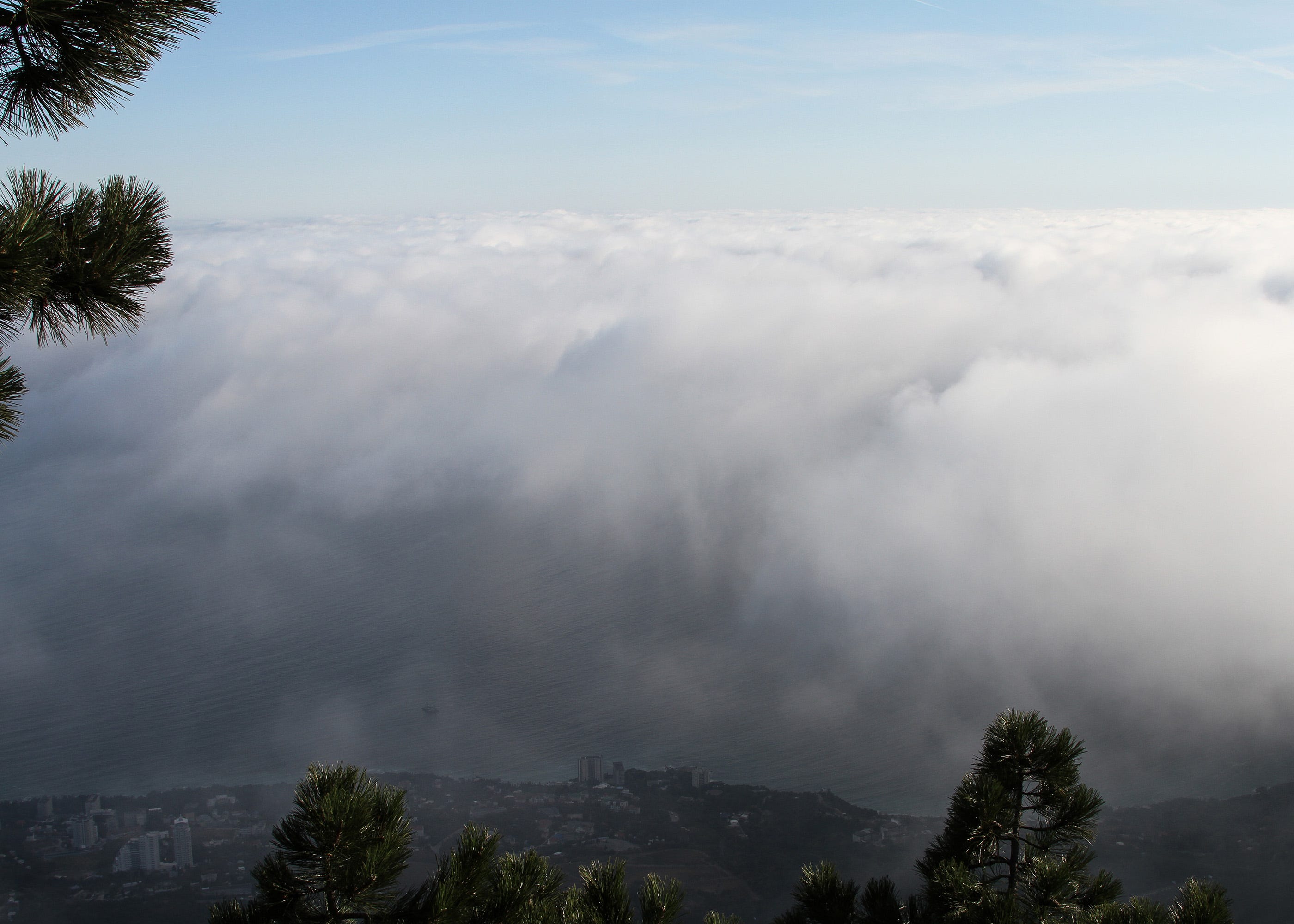
The coastal cliffs fall down steeply into the Black Sea from an altitude of over 5000ft (1500 meters).
An hour or two later, we reached Yalta, the almost mythical town on the southern tip of the surprisingly large Crimean peninsula. We stayed at the Oreanda, which I liked back then, part of a small group of hotels belonging to Rinat Akhmetov — the Opera Hotel in Kyiv, the Donbas Palace in Donetsk, and the Oreanda in Yalta. Now belonging probably to some Russian mobster.
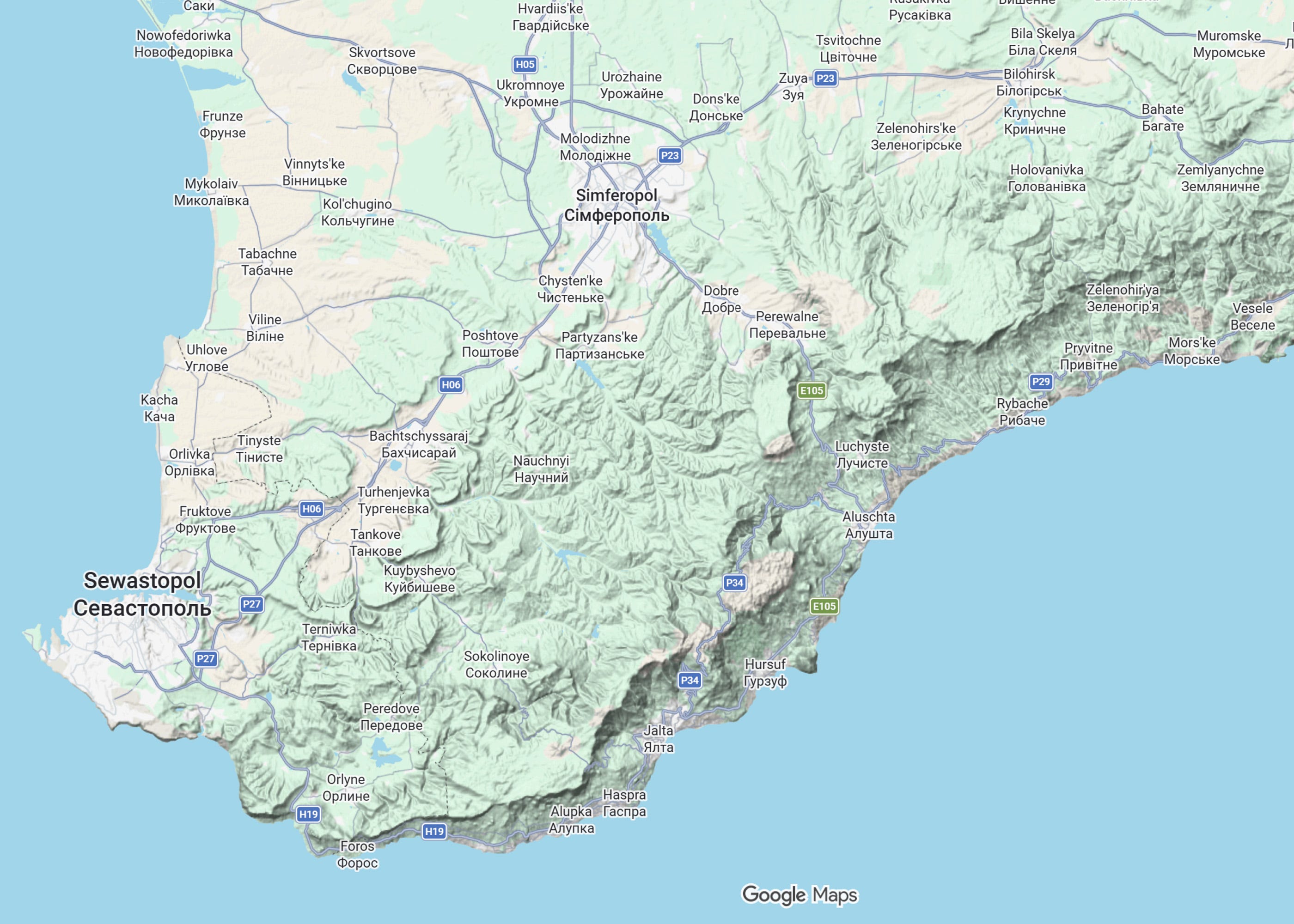
The southern Crimea in relief. The mountain spine runs parallel to the coast, dropping over 1,500m to the sea within a very short distance. Yalta, Alushta, and the other small coastal towns sit on that narrow strip at the bottom. Everything above is the Crimean Mountains. Everything below is the Black Sea. Google Maps.
Over the next four years I’d go back five or six times — Yalta, Alushta, Simferopol, Saky, driving through Sevastopol.
Crimea is a bizarre place. Properly weird. The rocks and much of the vegetation in the South look a bit like the Calanques between Marseille and Cassis. Aleppo pines, cedars, cypress, plane trees, sequoias, cork oaks, eucalyptus, date palms, oleander, lavender, succulents. It’s properly subtropical and the many wines (on the sweet side) and sparkling wines in the area are testimony to this.
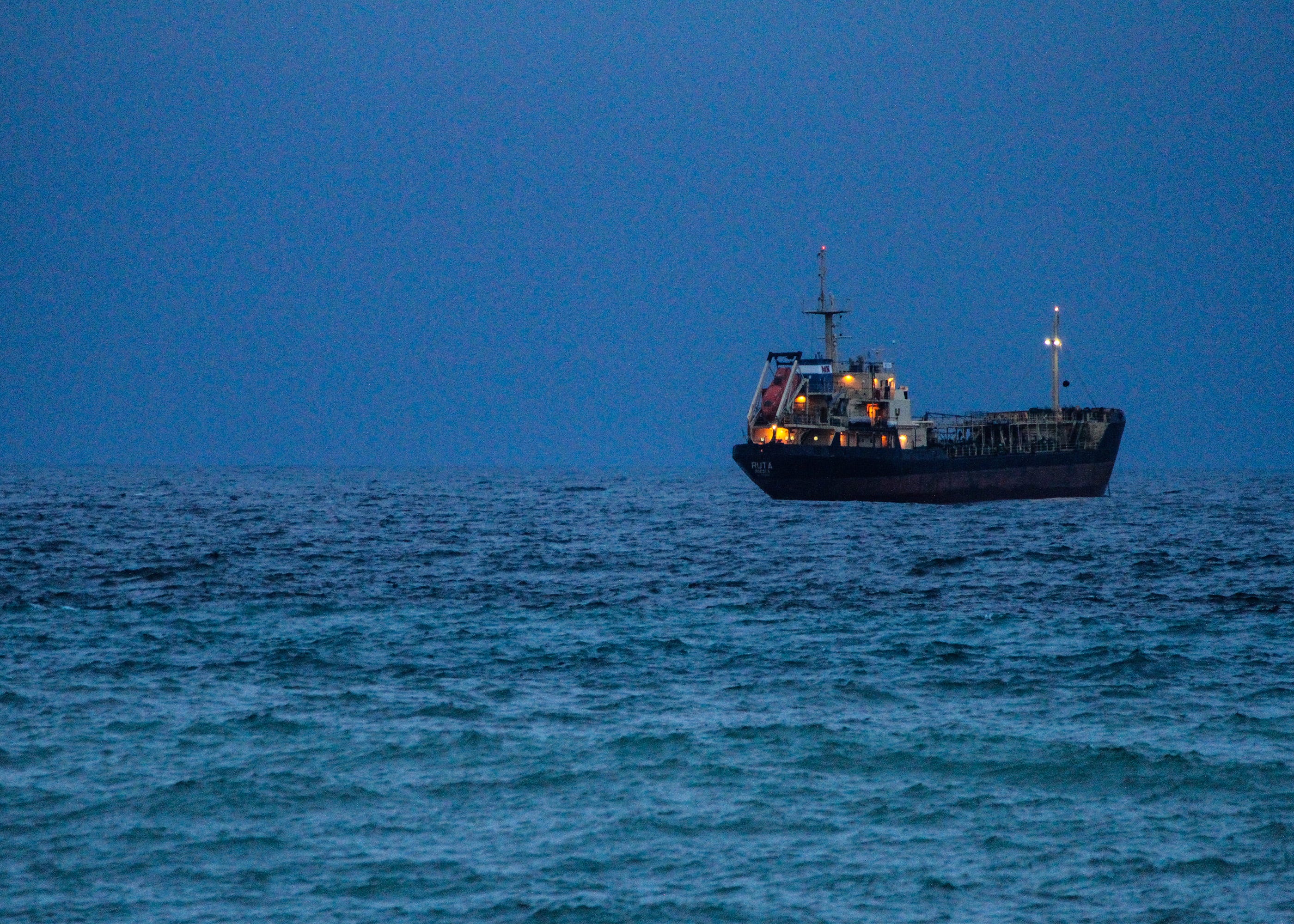
In case you were ever planning to direct a spy thriller, Crimea is the place you should go for filming.
The narrow strip in the south, following the steep decline of the rocky cliffs which reach an altitude of 5,000 ft (1,600m) just minutes away from the coastline, is what made Crimea famous.
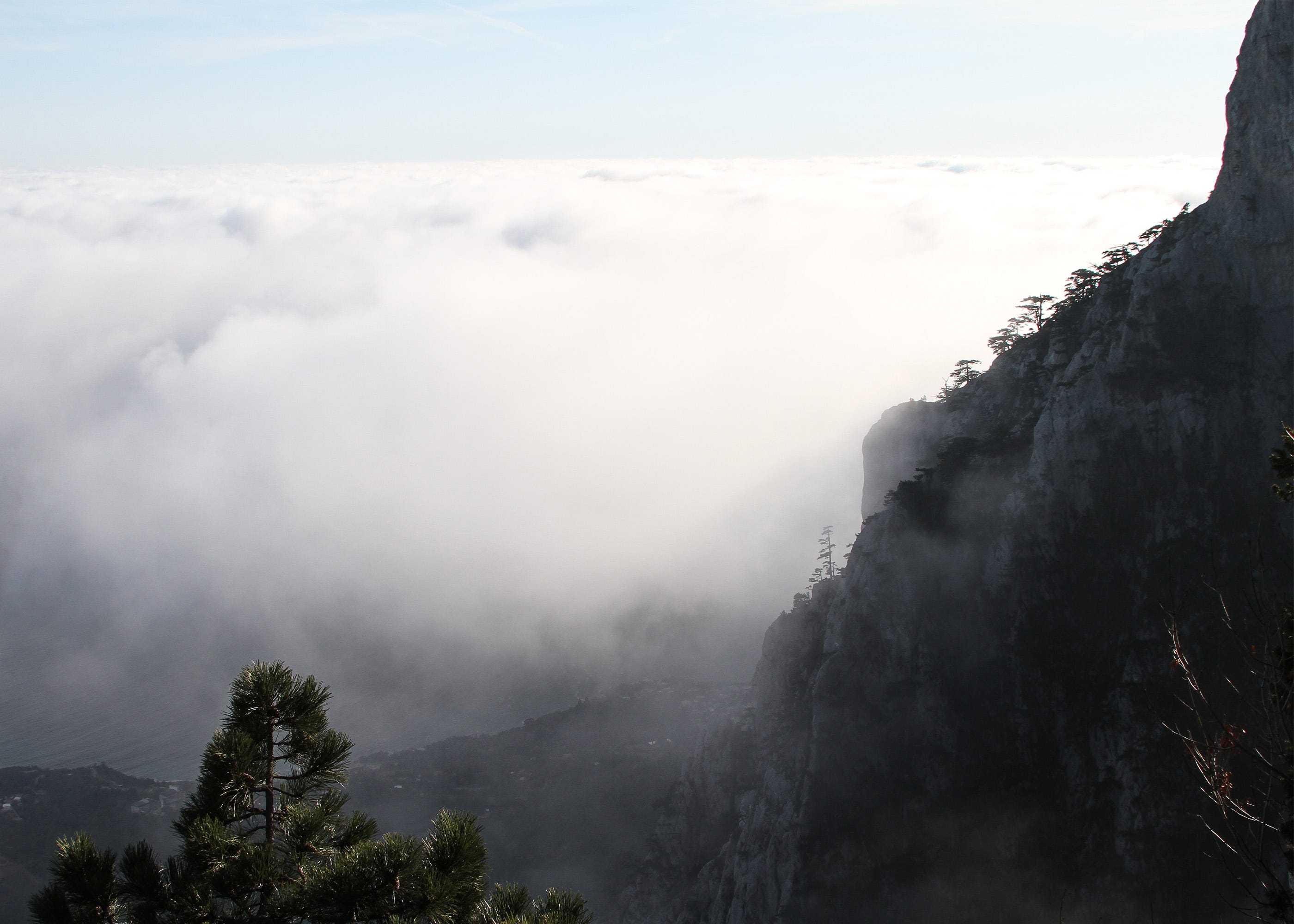
The rocks drop vertically, at times overhanging. Below the cloud layer: the Black Sea coast.
Although subtropical and Mediterranean-looking in vegetation, the architecture isn’t Italian or Spanish at all. Imperial Russian neoclassical palaces, neo-Gothic mansions, Orthodox churches, and the odd concrete brutalist sanatorium — some of them famous enough that every architecture student knows them. The neo-Renaissance Livadia Palace. The neo-Gothic Swallow’s Nest perched on its cliff.
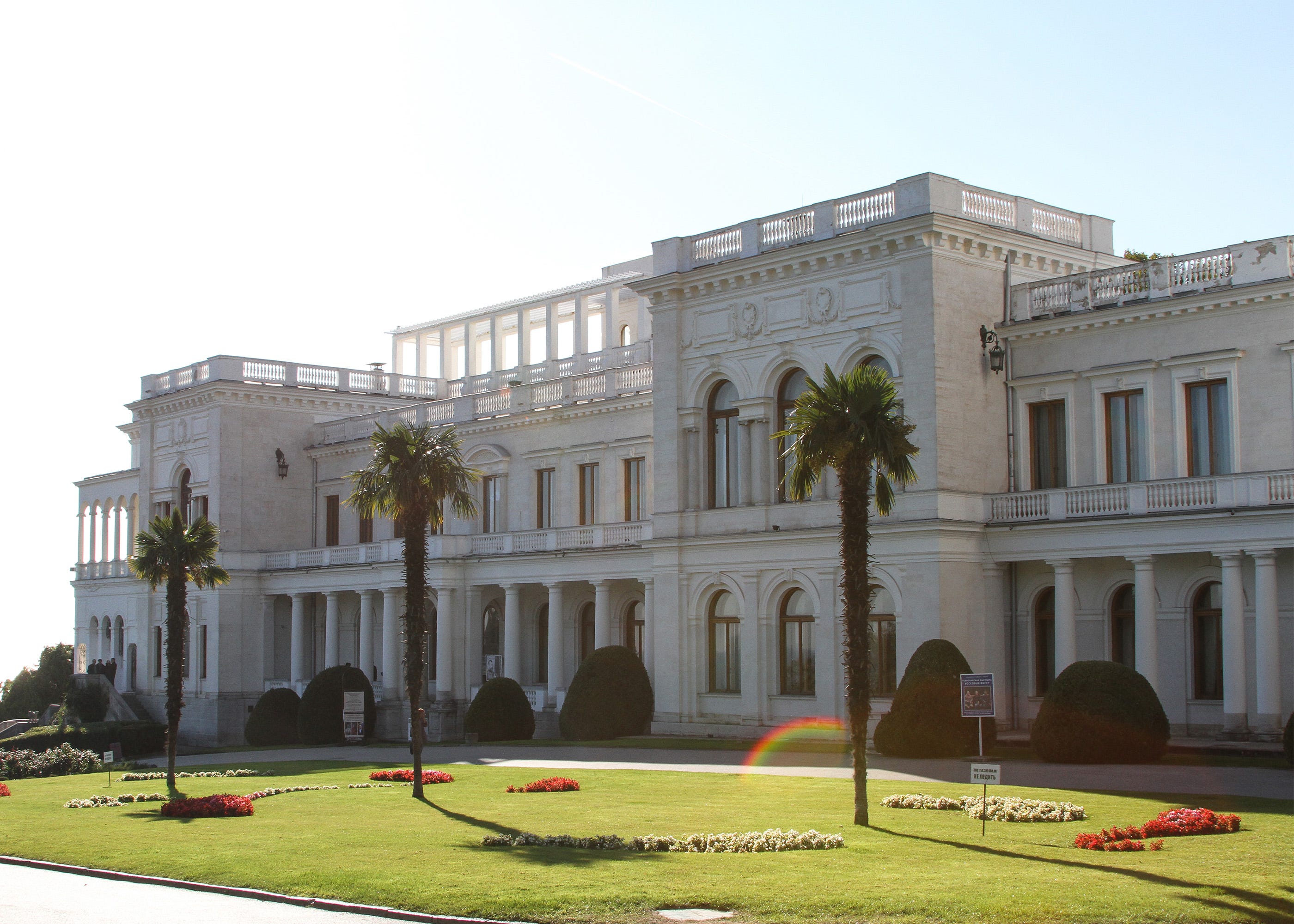
The Livadia Palace, built for Tsar Nicholas II. In February 1945 it hosted the Yalta Conference, Churchill, Roosevelt, and Stalin dividing postwar Europe between them. Roosevelt was two months from death. Churchill knew he was losing the argument. Stalin got most of what he wanted. A few euros slipped to the right guard will get you into the rooms you shouldn’t see. Well, it worked for me. Pic taken in October 2011.
The strangeness has a source. Crimea was Greek, it was Scythian, Genoese, it was the Crimean Khanate, a successor to the Golden Horde, trading in salt, horses, and Slavic slaves taken from what is now Ukraine and Poland. I know the old line, repeated tirelessly by many Russians and some undereducated, overconfident Westerners, that “Crimea has always been Russian”. It became “Russian” only in 1783, when Catherine the Great annexed it. What followed was a slow replacement — Tatars were pushed off their land, or killed, emigrated to the Ottoman Empire in waves, and Russians were settled in. Stalin finished the job in May 1944: in three days, the entire remaining Tatar population, around 200,000 people, was loaded onto trains and deported to Uzbekistan. Tens of thousands died on the way or in the first year. This was the same playbook Russia used — tsarist and Soviet — in the Caucasus through the 19th century, and later in the Baltics, where postwar deportations and Soviet industrialization brought in the Russian populations that still make up roughly a quarter of Estonia and Latvia today. Lithuania, less industrialized under the Soviets, got off lighter. The pattern is the same: deport or kill the natives, import Russians, call the place Russian.
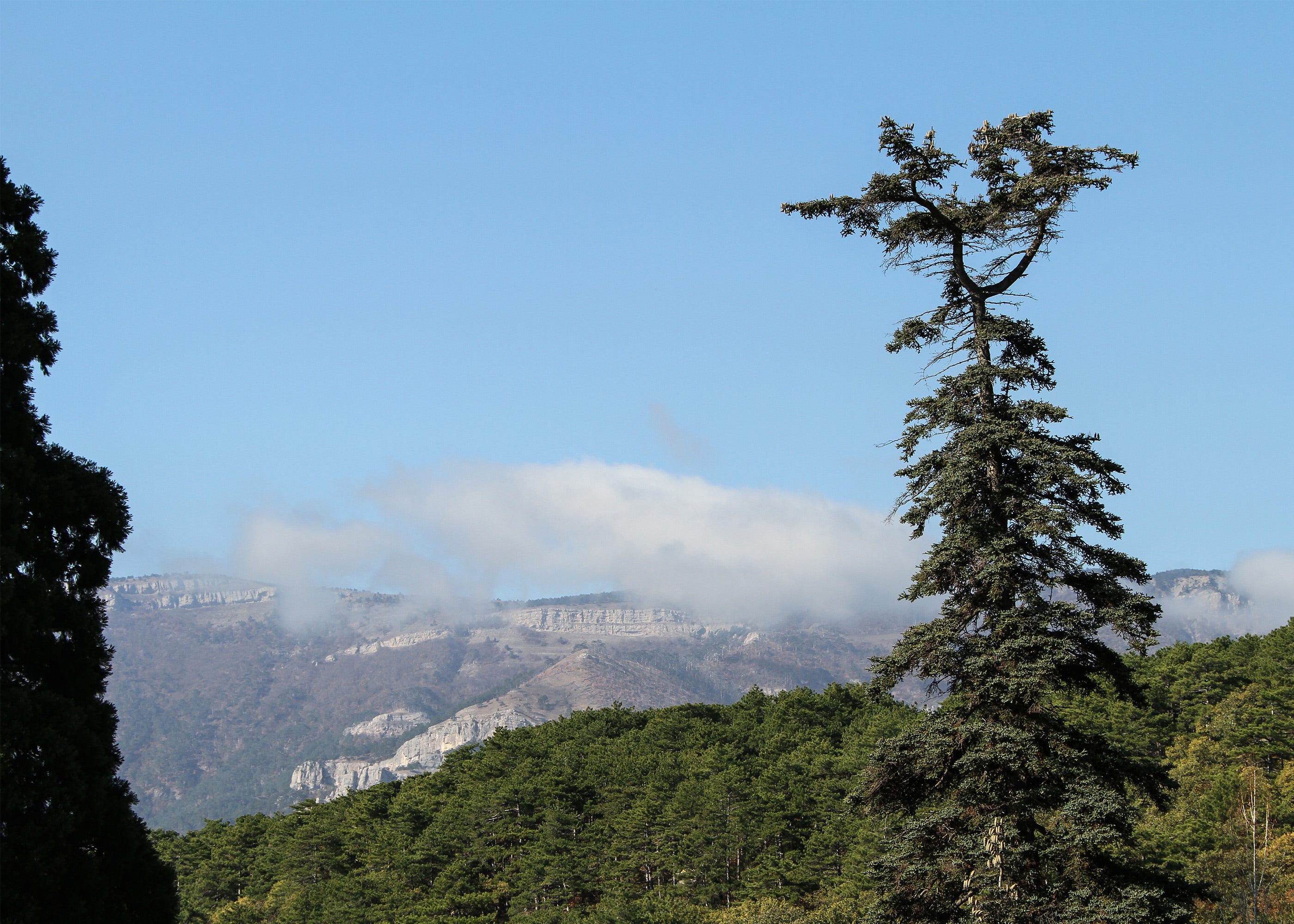
The peninsula is dominated by dramatic limestone cliffs.
So the Mediterranean light on the Crimean coast falls on a landscape from which the original population was erased. The palaces are imperial souvenirs. The Orthodox churches replaced mosques and the palaces of the khanate.
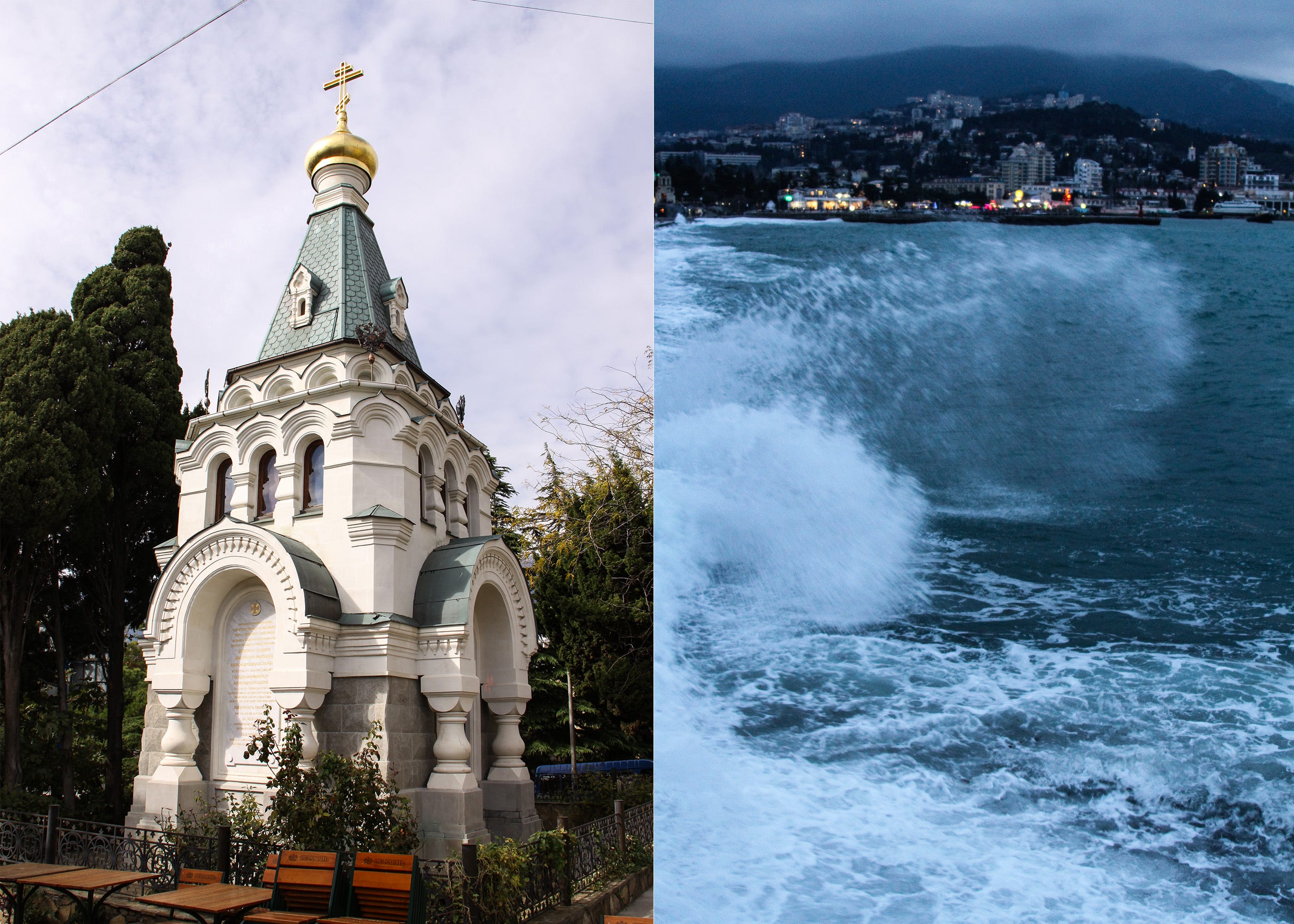
Crimea, one of the most extraordinary places in Europe
Some of the restaurants were properly luxurious, but mostly deserted — a few diners in each, no more.
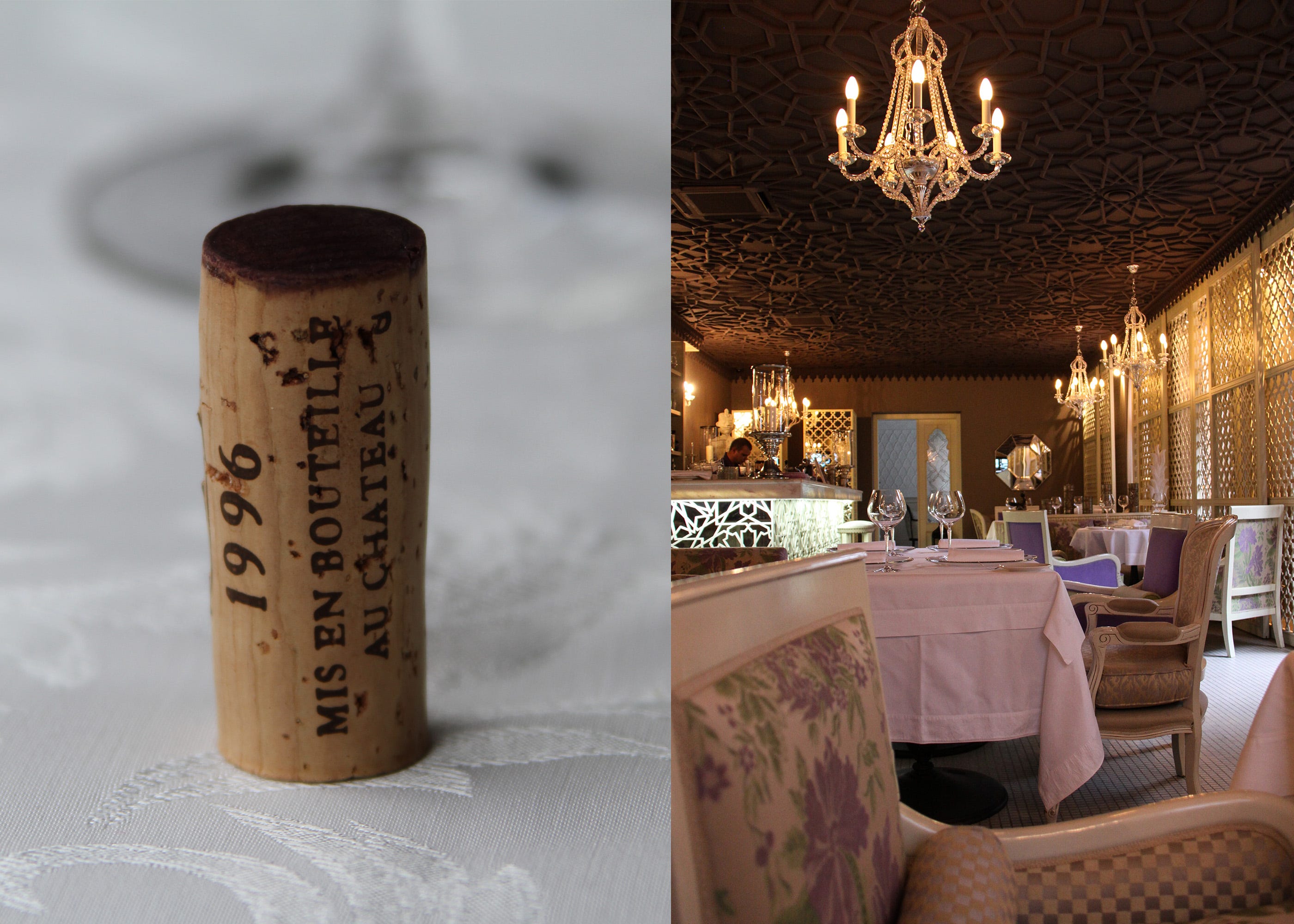
There is absolutely no reason to drink shabby wine. The only guests: us.
Alushta, in a way, was even weirder than Yalta. The seaside town is smaller, but when I went there with Svita, my friend who now lives in Warsaw, there was a huge, luxurious, almost completely empty Radisson. I never saw another guest. Not one. And yet when we went for lunch or dinner in town, the food was surprisingly good — fresh seafood, cooked to perfection, no complaints. We were the only guests in the restaurant.
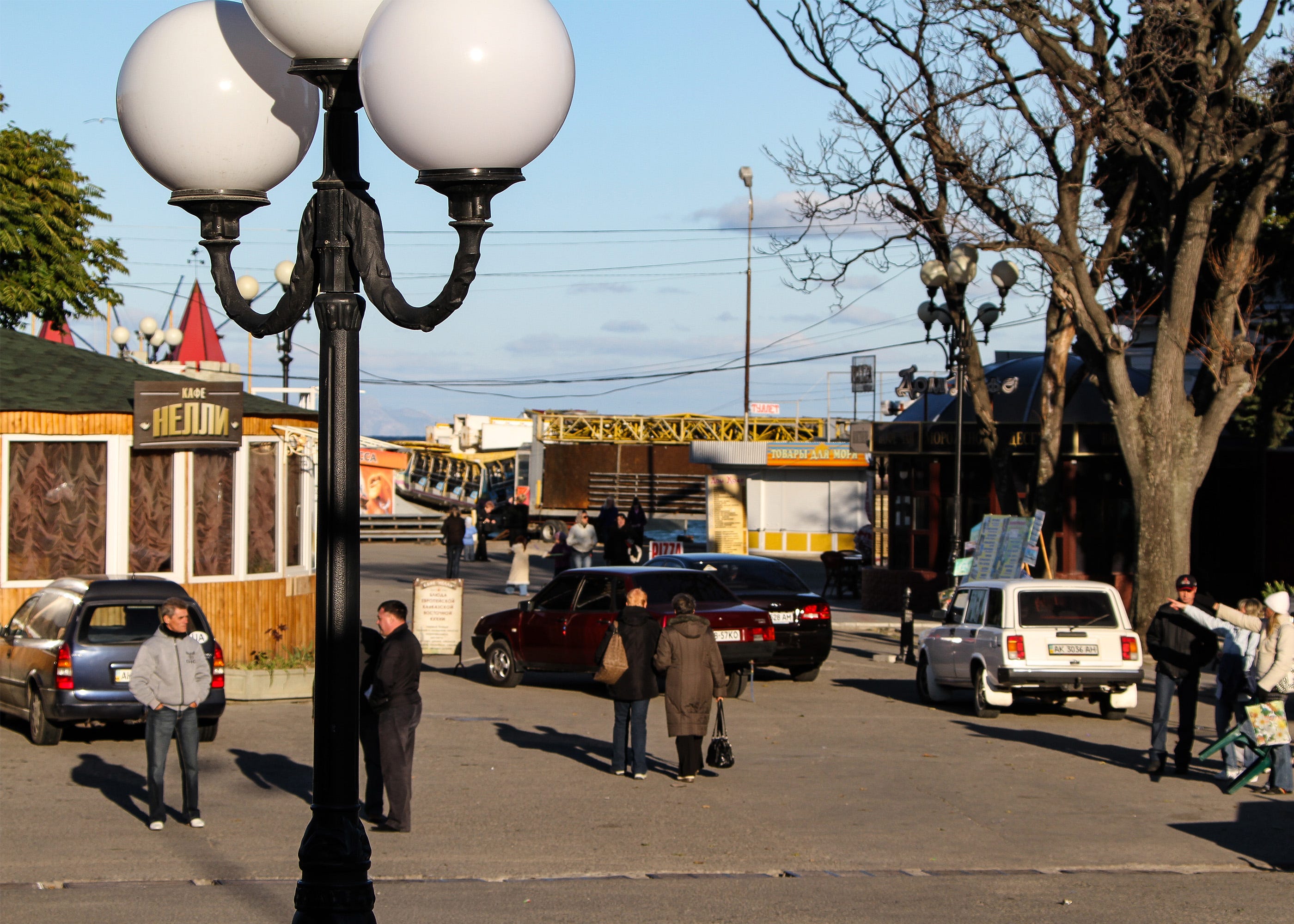
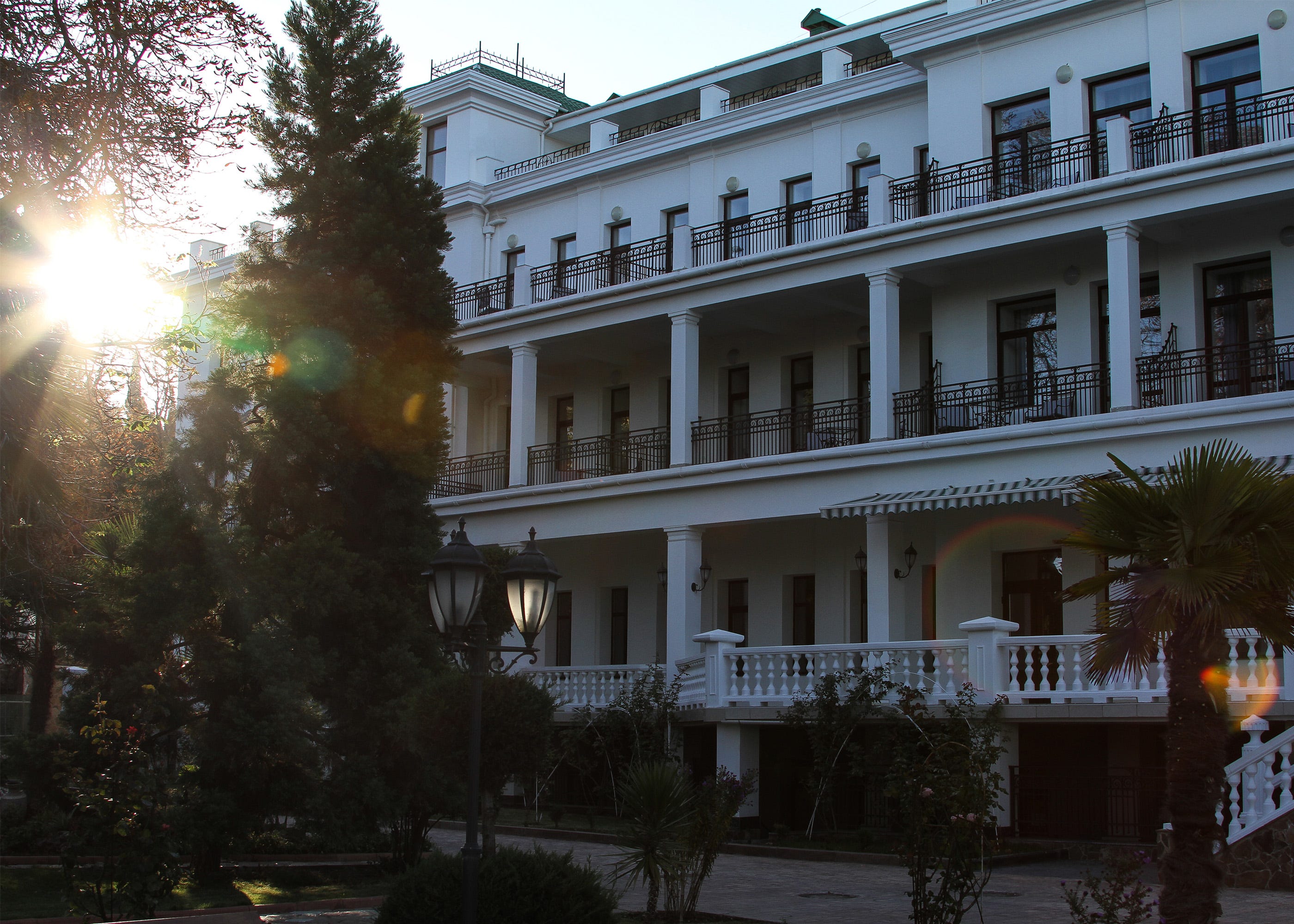
The everyday and the imperial, 2 minutes apart. Crimea never felt the need to resolve the contradiction. Alushta, 2011
On the way to Sevastopol you pass the old Soviet submarine bunkers and some fortifications dating back to the Crimean War. In the North, East and West there are a number of airbases, many of which are now either under permanent drone attack or closed because of it. Sevastopol itself, once the home port of the Russian Black Sea Fleet, now mainly exists on paper: the flagship of the Russian Black Sea Fleet, the Moskva, was sunk in 2022, various frigates, submarines, landing ships and other smaller patrol or support vessels have been either sunk or heavily damaged, so in 2026 the fleet is more a shadow of its past, incapable of pursuing complex operations. In an irony only prolonged war can yield, Crimea is now of less use after annexation than before.
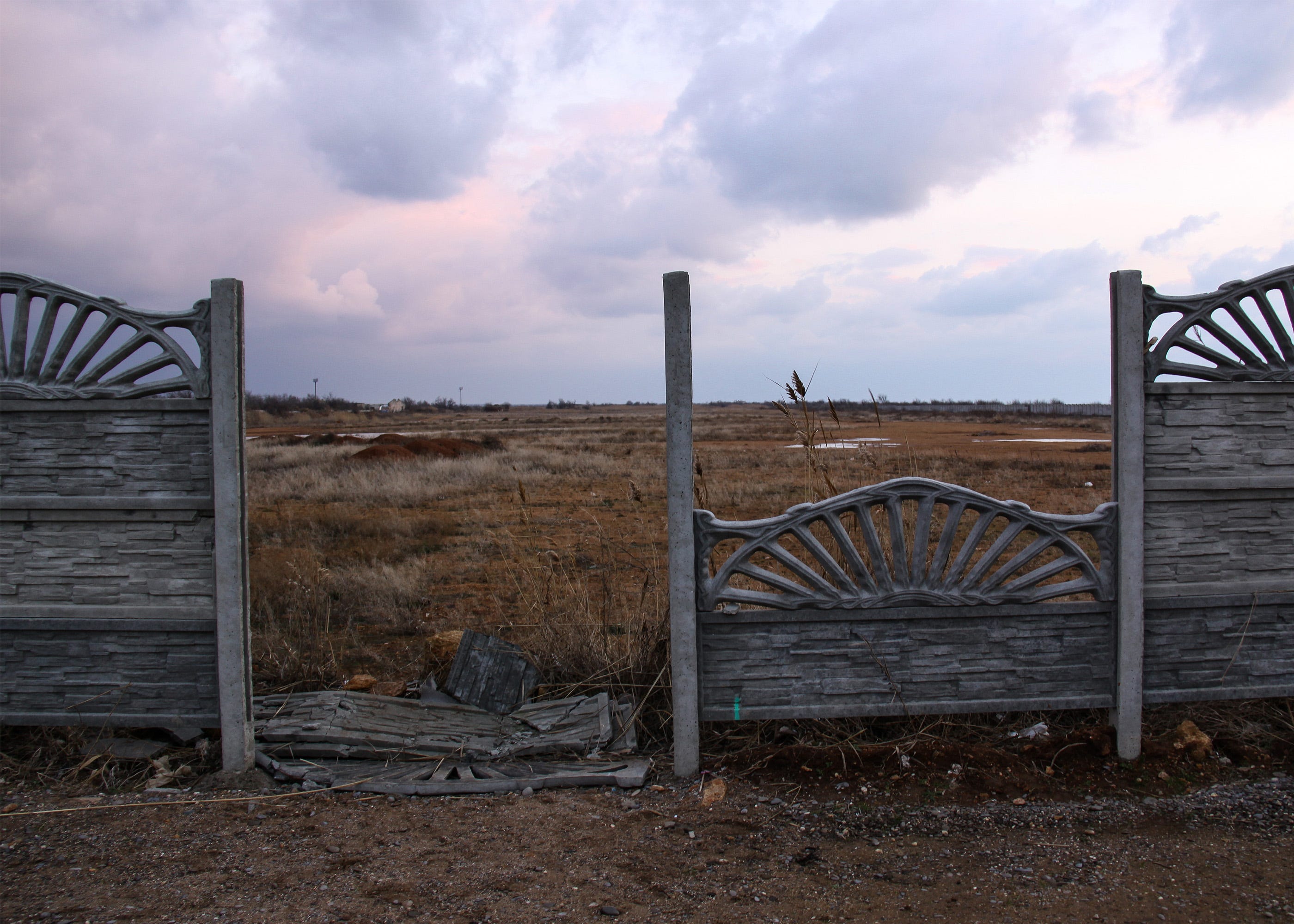
“You are entering the Saky Air Base”. Out of order in 2010 because Ukraine wasn’t planning on invading its neighbors, almost out of order in 2026 because the Russian air force lost dozens of planes and helicopters on Saky air base because of repeated Ukrainian attacks.
When you look at the relief map of Crimea, you can make a distinct difference between the North and the South. In the East there is the passage of Kerch, over which the Russians have built two bridges, which have been repeatedly attacked and damaged. The underground of the Kerch passage is also geologically unstable; there are mud volcanoes, and floating ice already destroyed a bridge there in the past. It’s also relatively safe to assume that with an increase in Ukrainian drone and missile technology, the two bridges will be attacked once again, this time with more verve. Supplying Crimea through the narrow land corridor will be very difficult, as it’s in reach of Ukrainian artillery and rocket artillery. In the North and West the land is flatter, the beaches wide and sandy, with salt lagoons — limans — some of them large, like the one near Saky, where my ex-girlfriend was from.
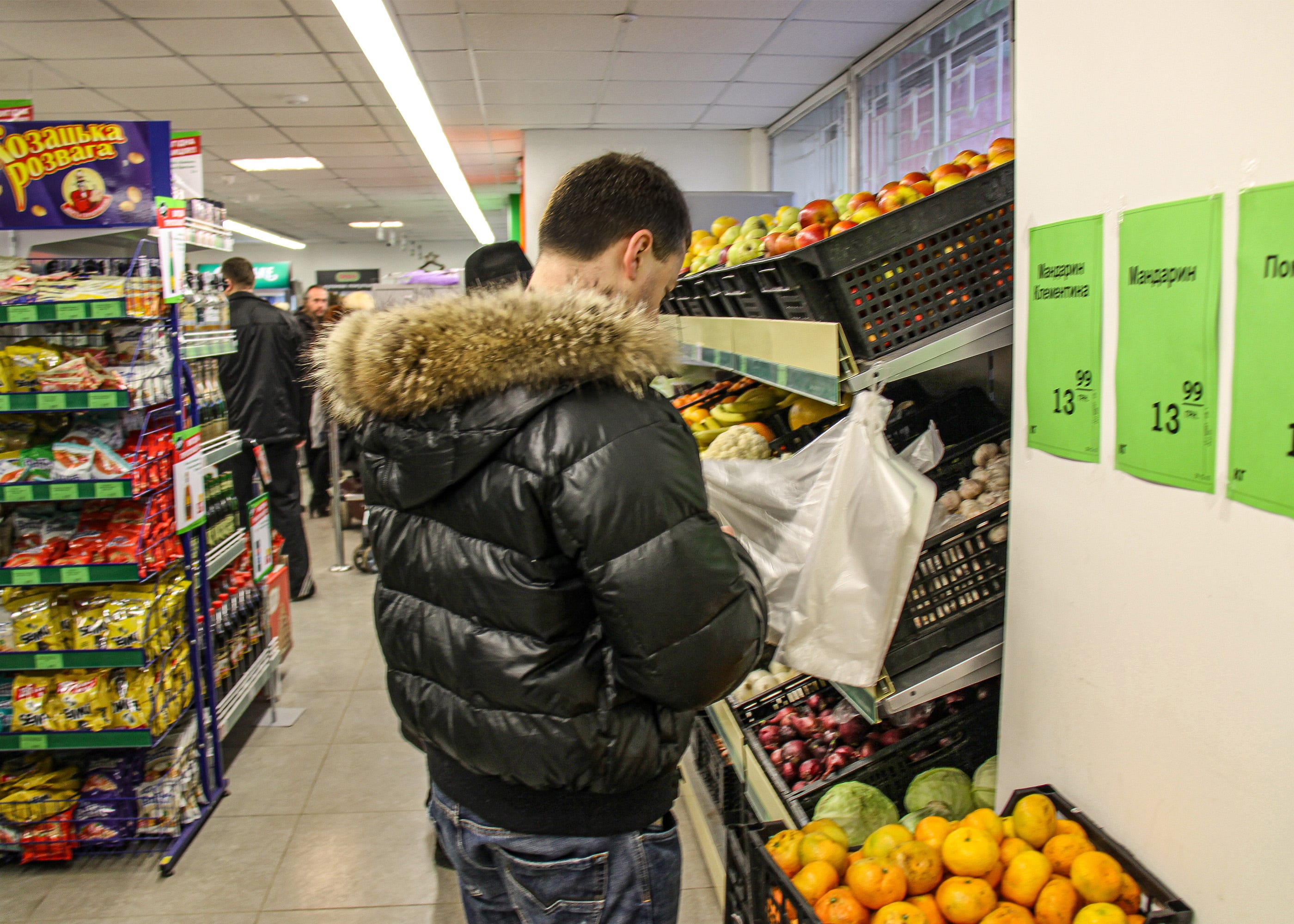
Saky, December 30, 2010, 12:39 PM Buying mandarins and pomegranates and other stuff. I have no idea how Olya managed to hold the massive Canon with the L-series zoom and the flashgun and take a pic without me noticing.
With a friend of hers and her boyfriend, we drove to Yevpatoria. Techno aficionados will know KaZantip, the festival that made Coachella look like a party for elderly line dancers. Wild, raw, and almost unpoliceable.
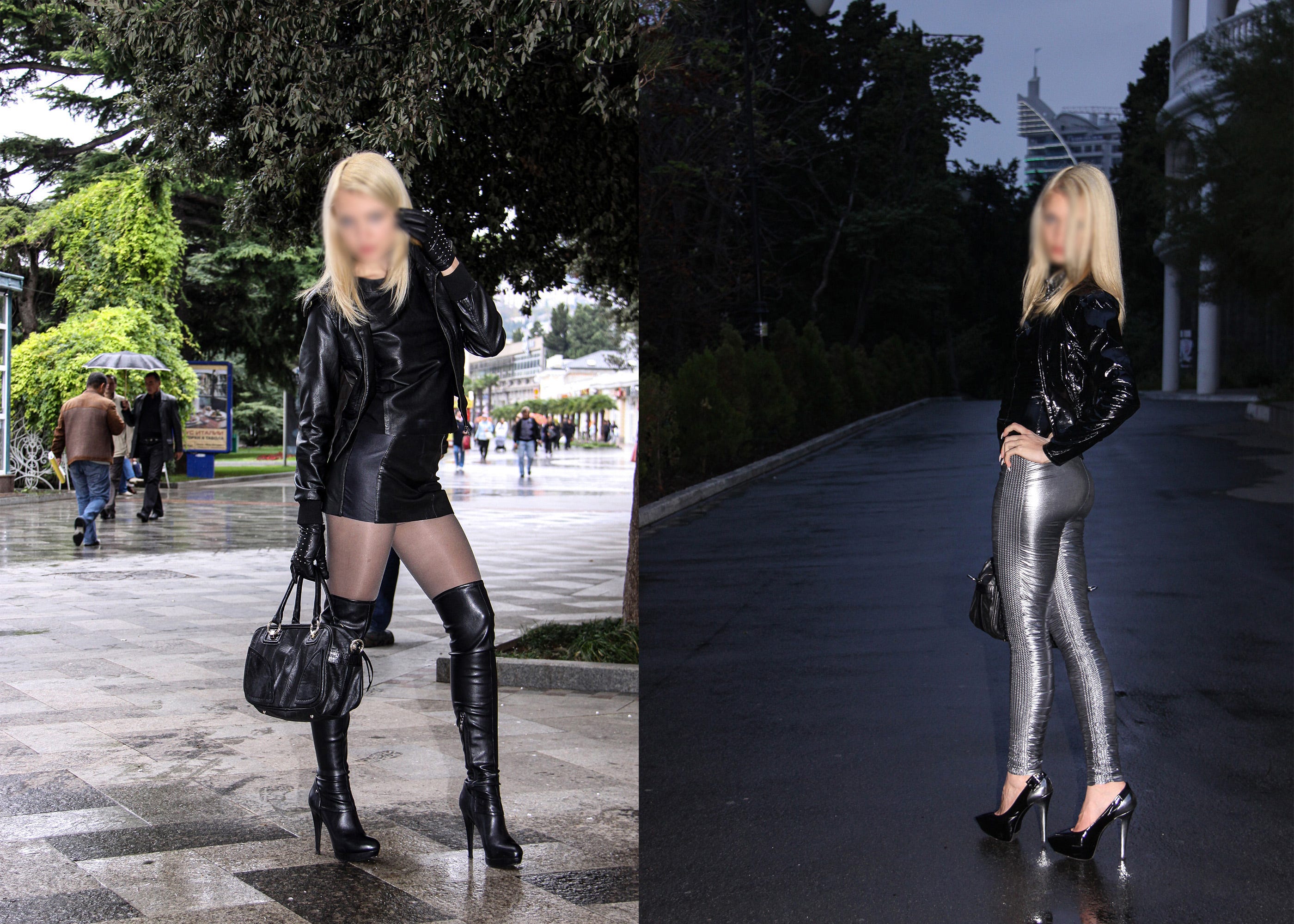
Going out.
The nightclub in Yevpatoria was large, well-equipped, and mostly empty. My ex and her friend both wore heels and black shiny leggings, and the guy and I lazed on wide sofas, drinking gin and watching the girls dance.
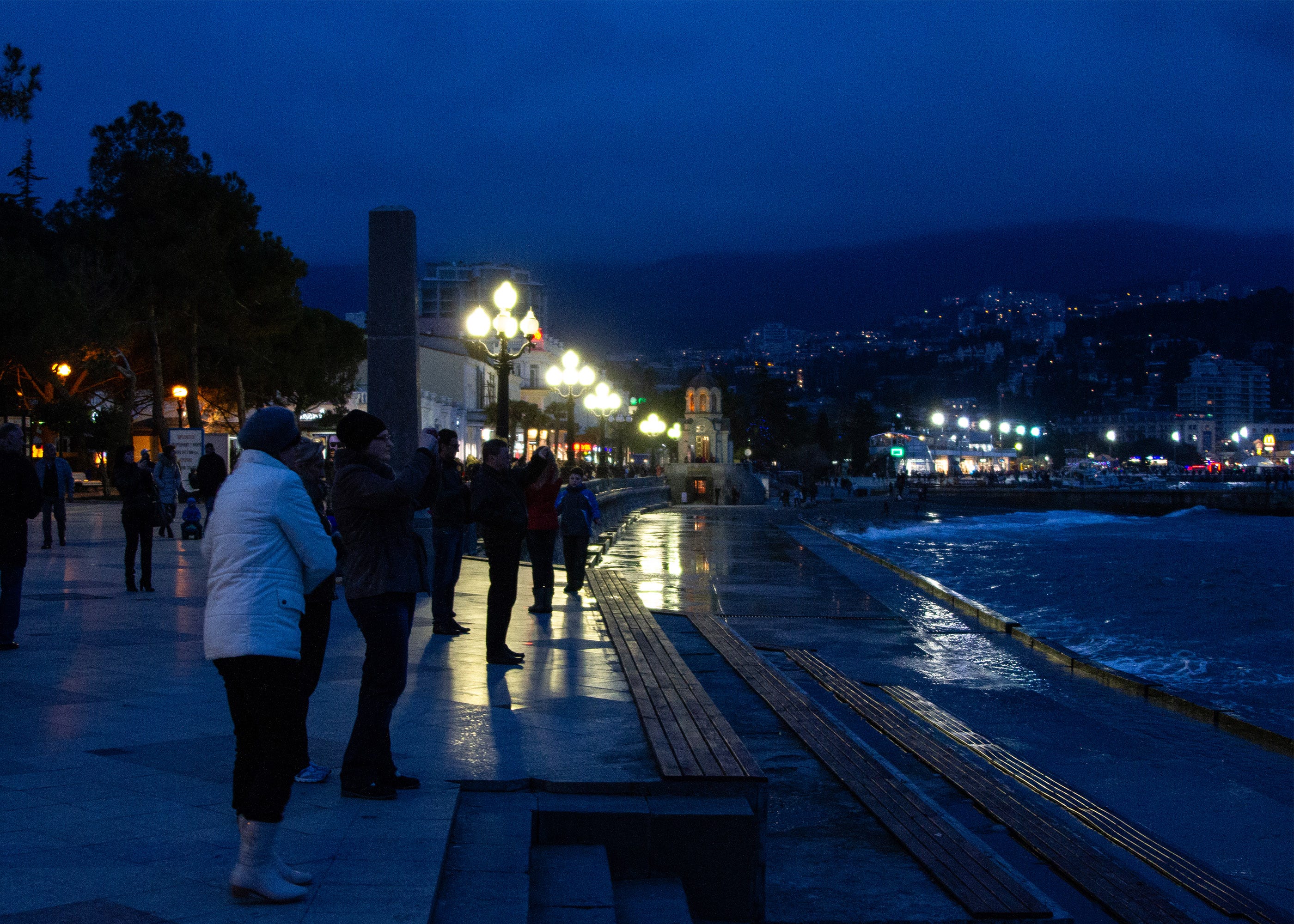
Yalta, Saturday, March 30, 2013, 6:25 PM
Another evening, dinner in a Georgian restaurant, Georgian wine, the girls on stage — the place doubled as a karaoke club — singing for us. With zero other guests.
Walking through a beautiful but derelict spa town, partly collapsed buildings, a low-flying Mi-8 somewhere in the background.
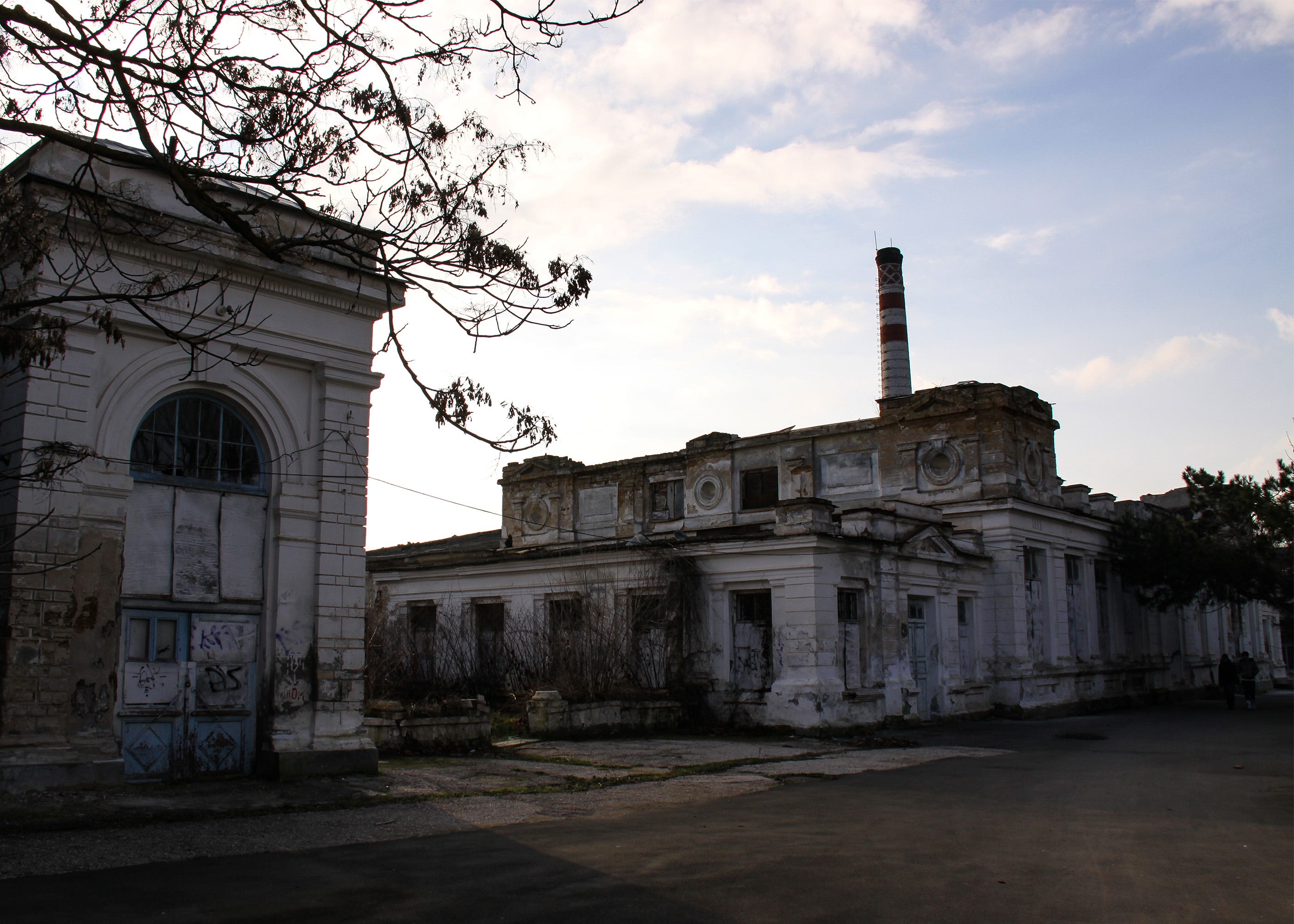
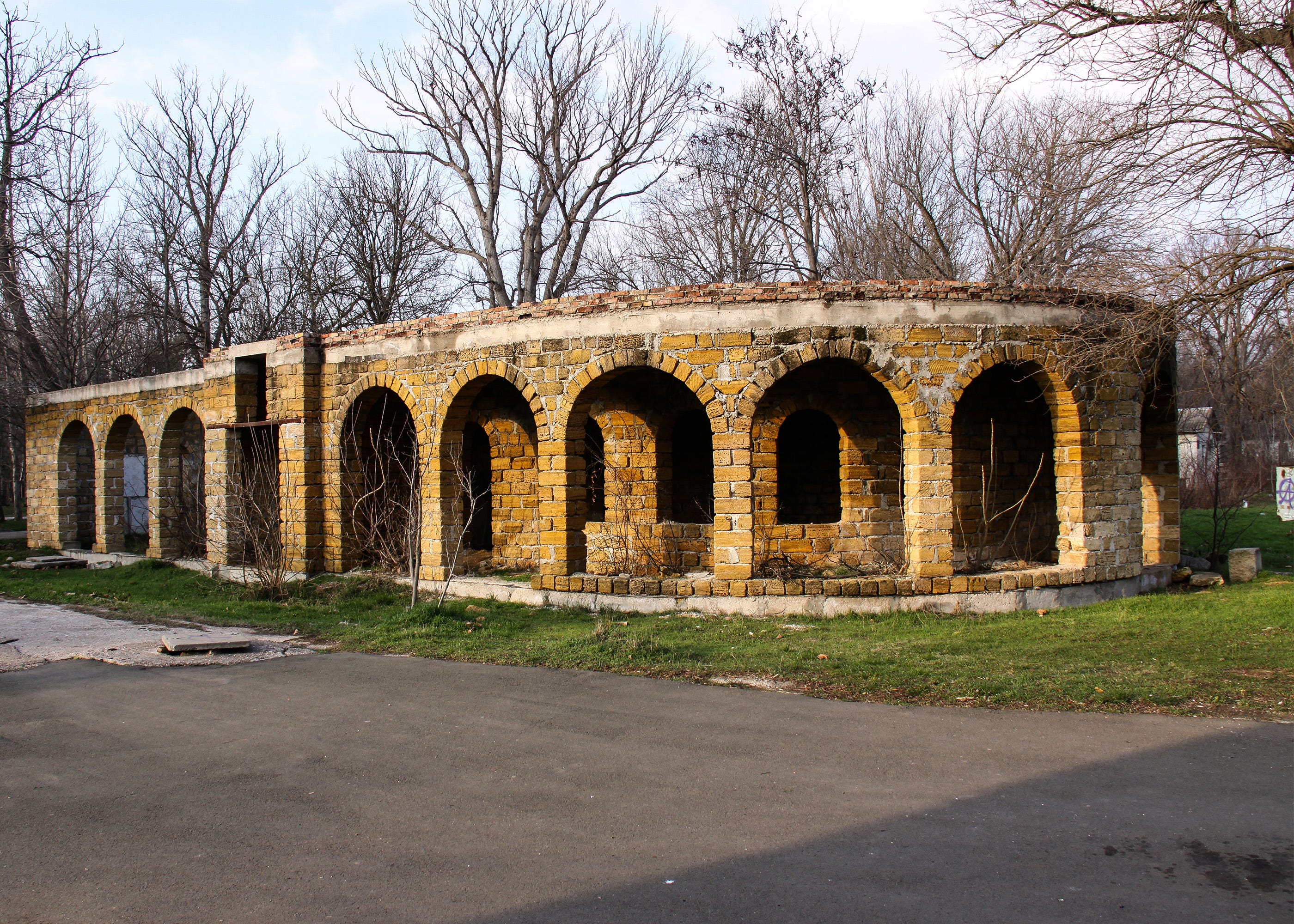
Saky, 2010. The spa town that time, and then history, forgot. These buildings were already derelict before Russia arrived. Nobody had gotten around to fixing them. Nobody will now.
A late lunch in Yalta, in a restaurant above a cliff overlooking the Black Sea. My ex dressed like we were going to a club. Nobody cared, nobody looked. Fresh seafood, cooked to perfection, grilled vegetables, a chilled Crimean white.
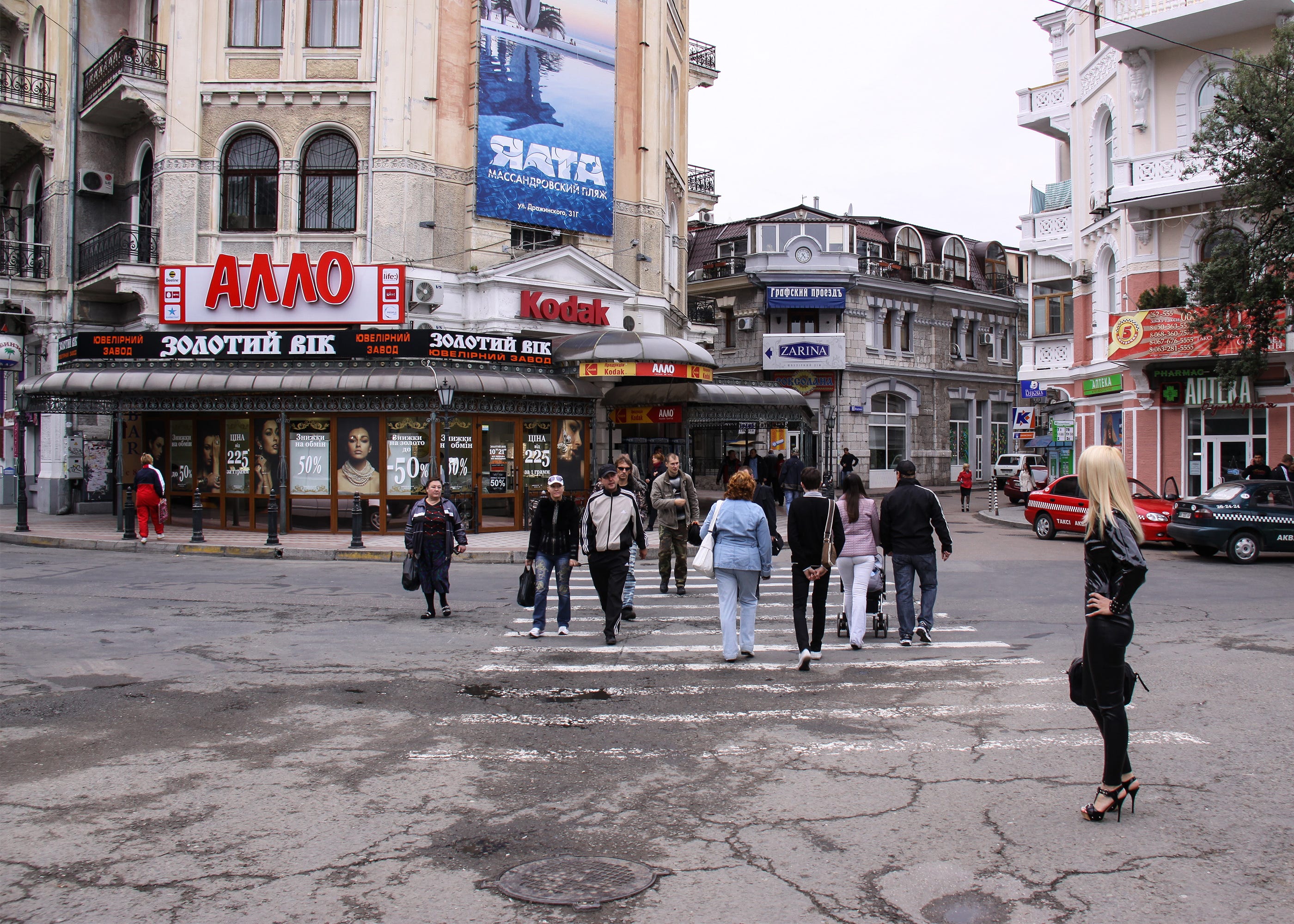
Yalta, October 15, 2010. The city centre on a Friday afternoon. Nobody looks twice.
Going with Svita to the Livadia Palace and slipping the guard a few euros so he’d let me into the room where the Yalta Conference was signed, in February 1945, by Roosevelt, Churchill, and Stalin. Roosevelt was two months from death, visibly exhausted and near his end. Churchill knew he was losing the argument. Stalin got most of what he wanted: Poland, the Baltic states, spheres of influence that would hold for fifty years. Nine years later, in 1954, Khrushchev transferred Crimea from the Russian SFSR to the Ukrainian SSR. The official story is that this was a fraternal gift marking three centuries of Russian-Ukrainian friendship. The more convincing reading is that Moscow was tired of paying to rebuild a peninsula it had emptied in 1944, and wanted Kyiv’s budget to carry the cost. Water, electricity, rail, and roads all ran north into Ukraine anyway. Administratively it made sense. Ideologically, nobody thought it mattered — in 1954 the USSR was going to last forever. Or at least for 1,000 years, like the Third Reich.
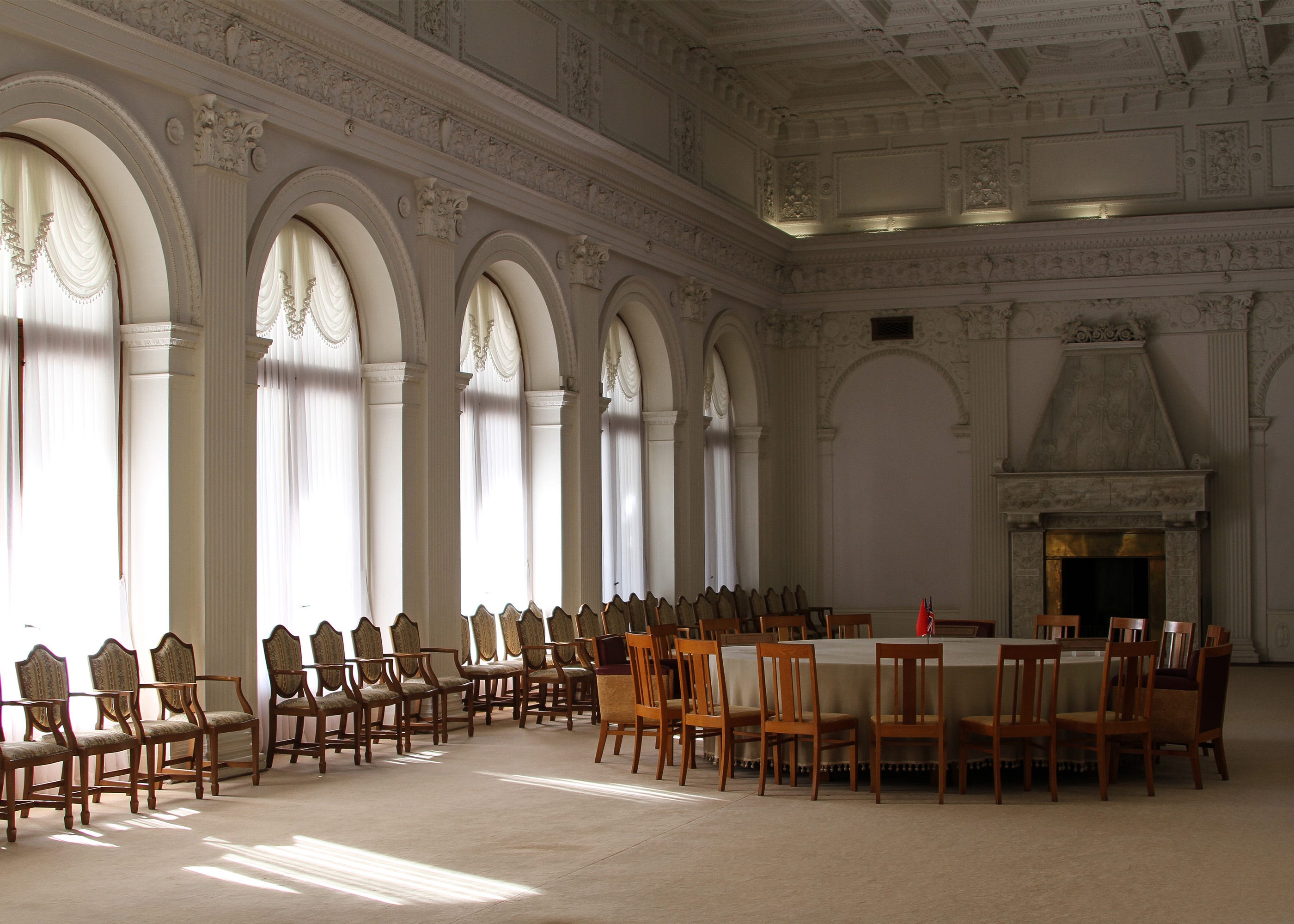
This room. Livadia Palace, Crimea. You know what happened here.
Taking the dubious cable car up Ai-Petri, the cables looking so dodgy that I felt genuine sympathy for the Ukrainian guys drinking vodka in the cabin with us. At the top the view was spectacular — and a few metres behind the picnic area there was nothing, no fence, no barrier, between you and a thousand-metre drop.
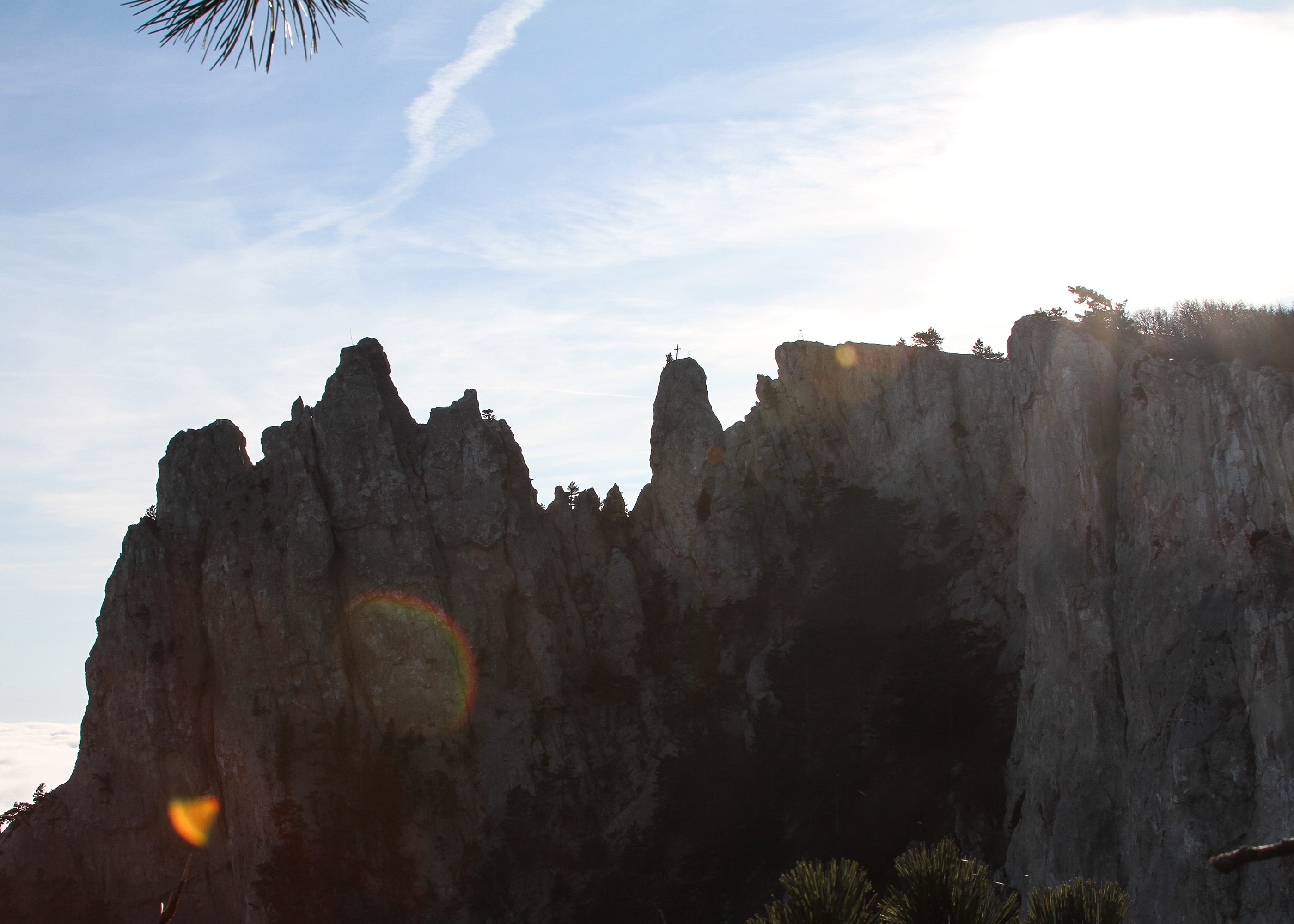
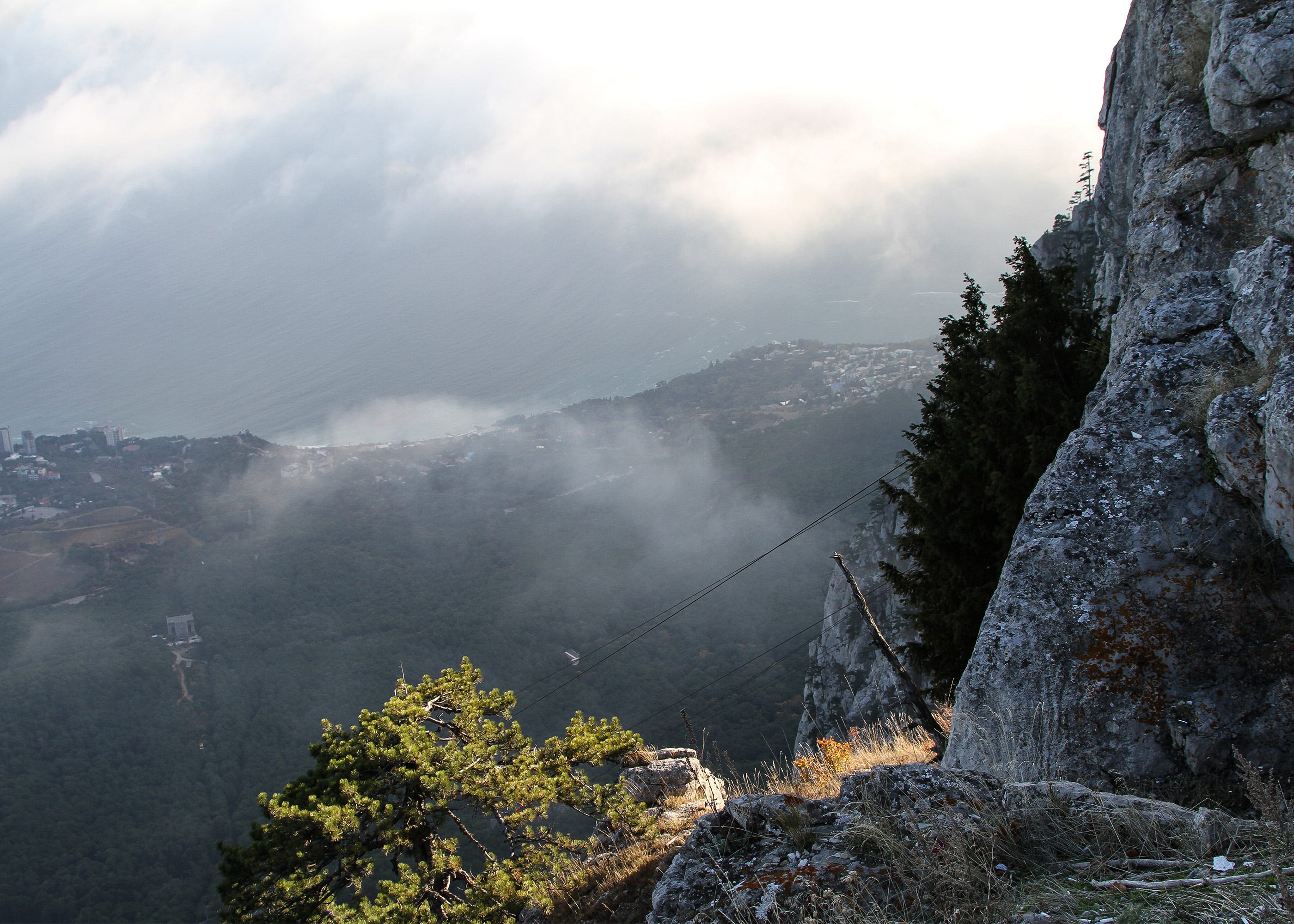
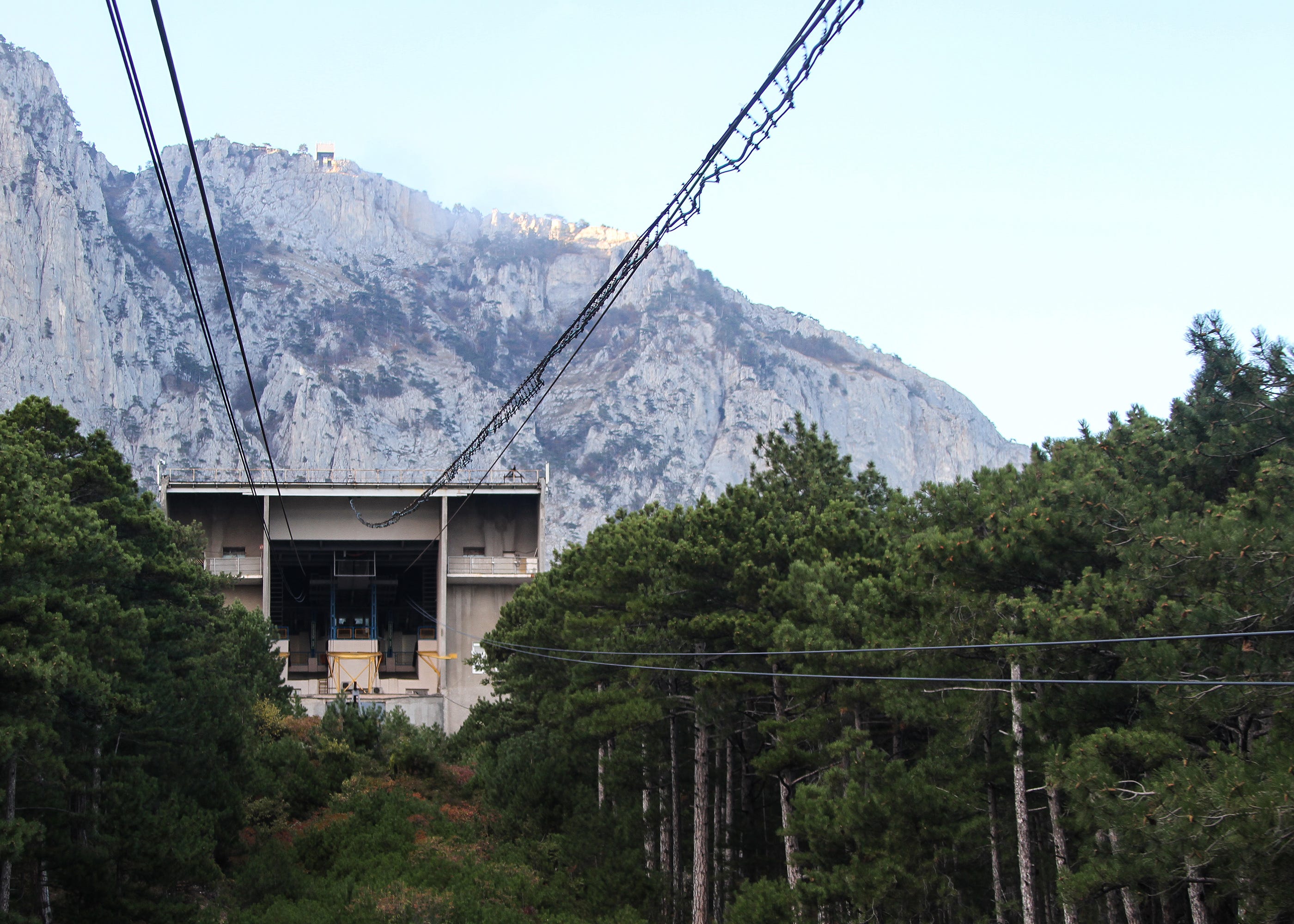
Ai-Petri, Crimea, 2011. The cable car goes up 1,200 metres in a few minutes. The cables looked the way they looked. The Ukrainian guys in the cabin were drinking vodka. I understood why. At the top: no fence, no barrier, a thousand-metre drop, and somewhere in the abyss below, the Black Sea.
Dizzy with vertigo, or maybe the Crimean shampanskoye, I looked into the abyss, heard some stones falling, and looked straight into the face of a lynx, which disappeared almost before I’d registered it. Crimea is a wild place, in every sense of the word.
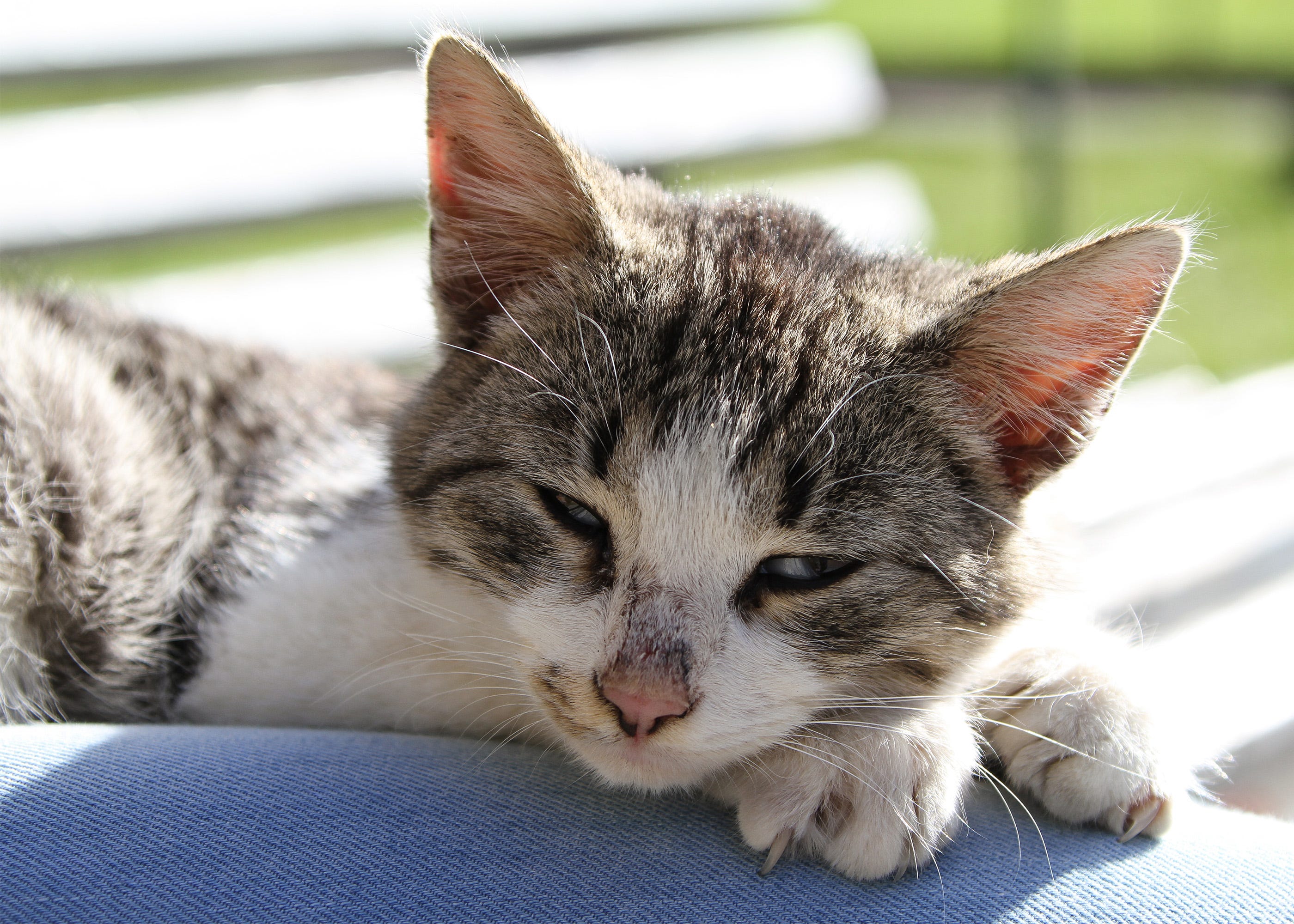
I wasn't fast enough to photograph the lynx. This is what I got instead, Svita trying to adopt a kitten, or the kitten trying to adopt her, 2011, Massandra, Crimea.
I made it out just in time. The last time I was there was shortly before Russia invaded. With all land borders closed, no ships or planes leaving, and only a few boats still running to the Russian mainland, my exit would have turned very nasty indeed.
And that, really, is the structural joke of Russian Crimea. The peninsula has never been self-sustaining. Until 2014, roughly 85% of its fresh water came through the North Crimean Canal from the Dnipro — that is, from Ukraine. Ukraine closed the canal the moment Russia annexed. Reservoirs dried up, agriculture collapsed, Simferopol was rationed. When Russia invaded in 2022, one of the first military objectives was the dam blocking the canal; they blew it open within days. Ukraine took the area back later that year, and the Kakhovka dam went down in June 2023. Crimea has been thirsty ever since.
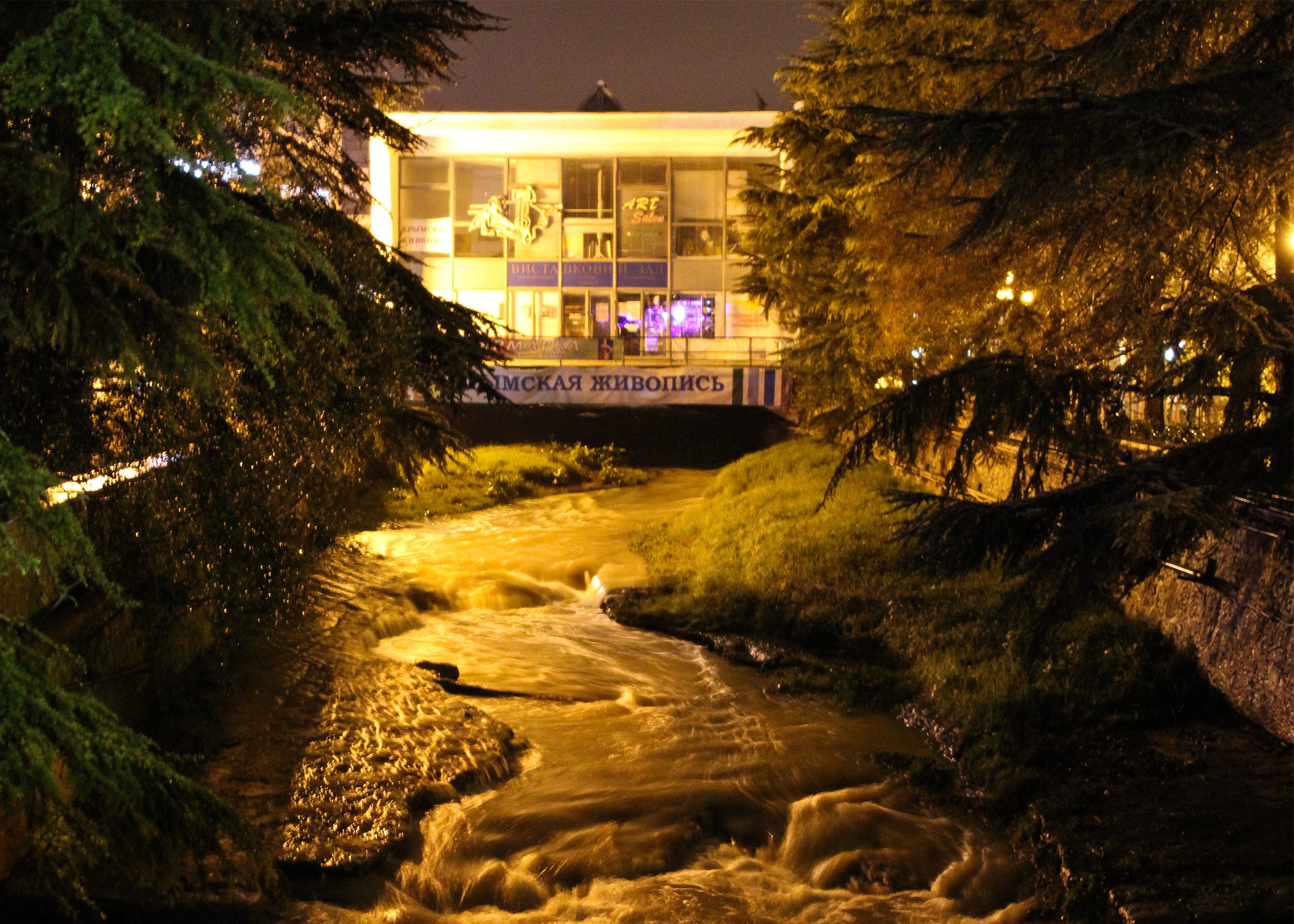
Yalta, Thursday, March 28, 2013, 10:46 PM
Food, fuel, ammunition, and most consumer goods come across the Kerch Bridge — Europe’s longest, built in a hurry on a tectonic fault, over sixty metres of silt, with around seventy mud volcanoes in the surrounding basin. Russian and Ukrainian hydrogeologists have been warning for a decade that the bridge will eventually sag or fail on its own, with or without help. Ukrainian drones and missiles have been helping since October 2022. It’s a reasonable bet, at this point, that the bridge comes down — from above, from below, or both.
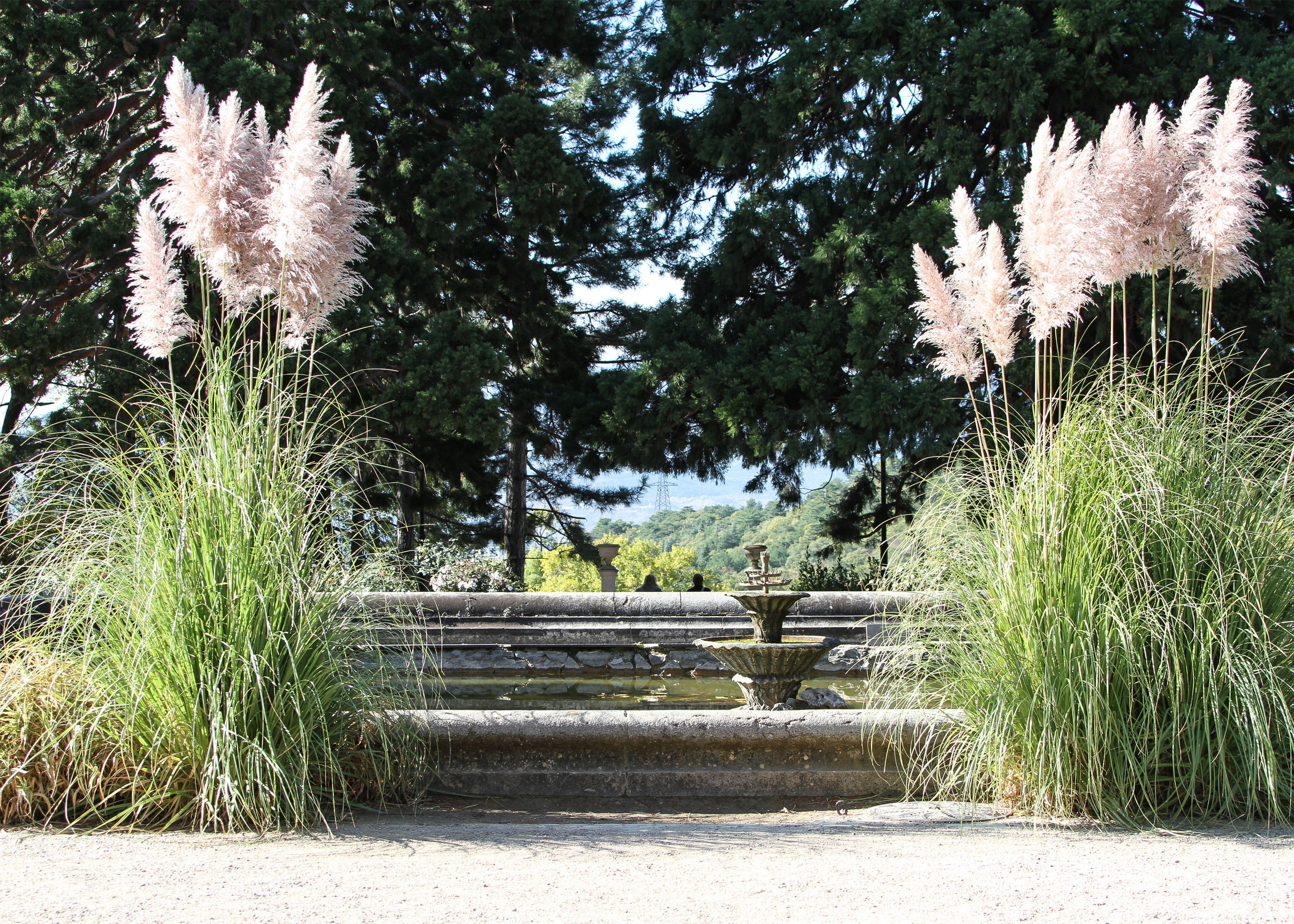
No shortage of motives, if you happen to be a painter
The girl from Saky left too. She’s in Western Europe now. Her parents stayed, and like a lot of the older generation they’d hoped, in 2014, that Russia would be an improvement, with better pensions, better order, the return of the old certainties. Hope alone is rarely a good strategy. What they got instead was Russian organized crime taking over most of the bigger companies, state pensions that went up a bit, and prices that went up two or three times faster. They’re poorer now, in a country that’s supposedly theirs, in a place they can no longer leave easily. The old line was that Crimea wanted to be Russian. The truer version is that some of Crimea wanted to be Russian in 2014 and a lot of them have stopped wanting it since, and nobody is asking. And everybody is afraid of speaking up.
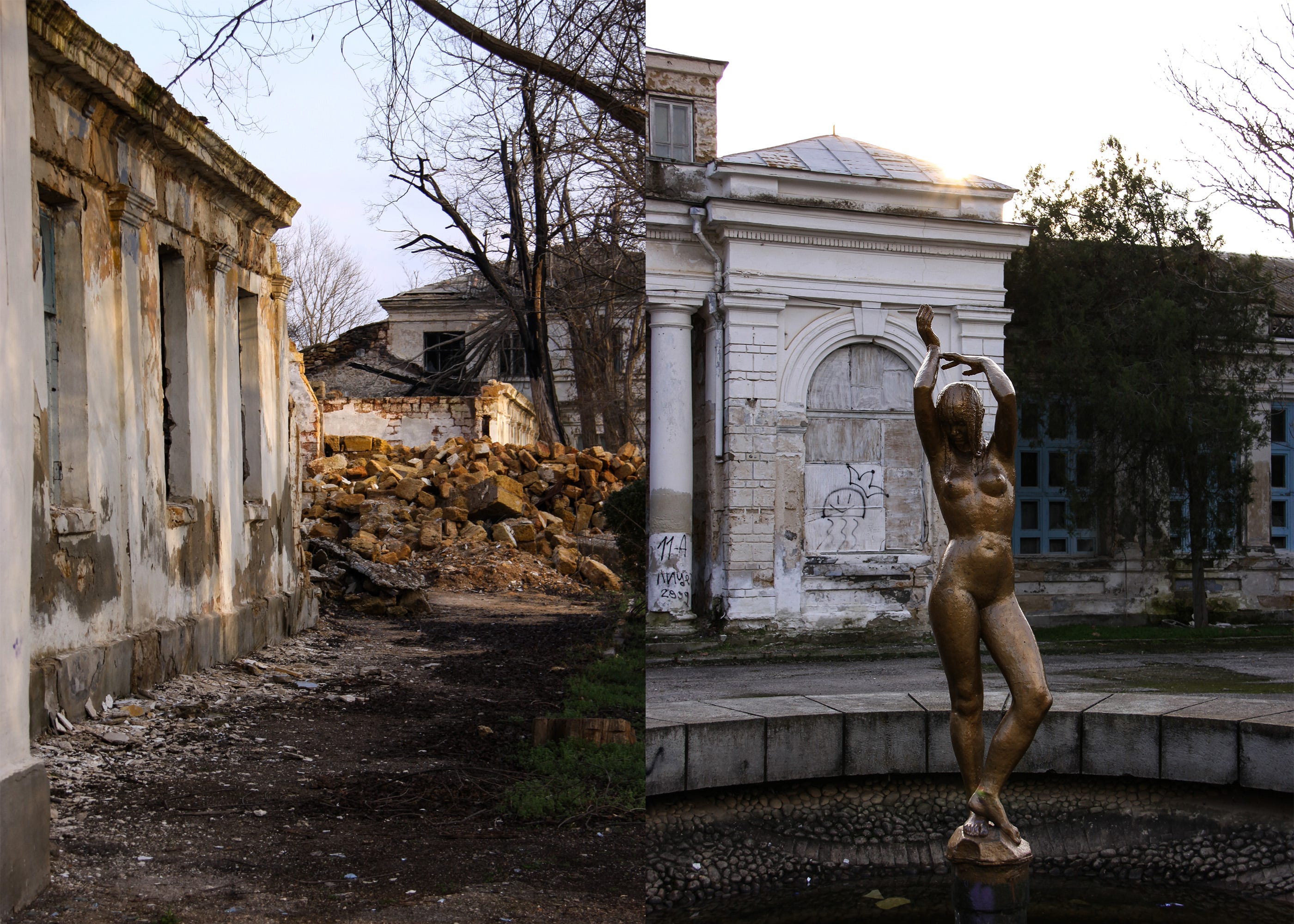
Saky, Western Crimea, there won’t be massages today.
Which is the real noir of the place. Not the empty restaurants or the Mi-8 over the spa town or the lynx at the cliff edge, although those are the images I remember. It’s that Crimea is a peninsula somebody keeps trying to own, and never quite can. Catherine took it from the Tatars and spent a century replacing them. Stalin finished the replacement and then Khrushchev handed it to Ukraine because nobody wanted to pay the bill. Putin took it back in 2014 and it’s been drinking on credit ever since. The palaces are beautiful. The coast is beautiful. The food is good and the wine is cold. And nothing that flows in — water, fuel, diners, tourists, warships — is reliably flowing.
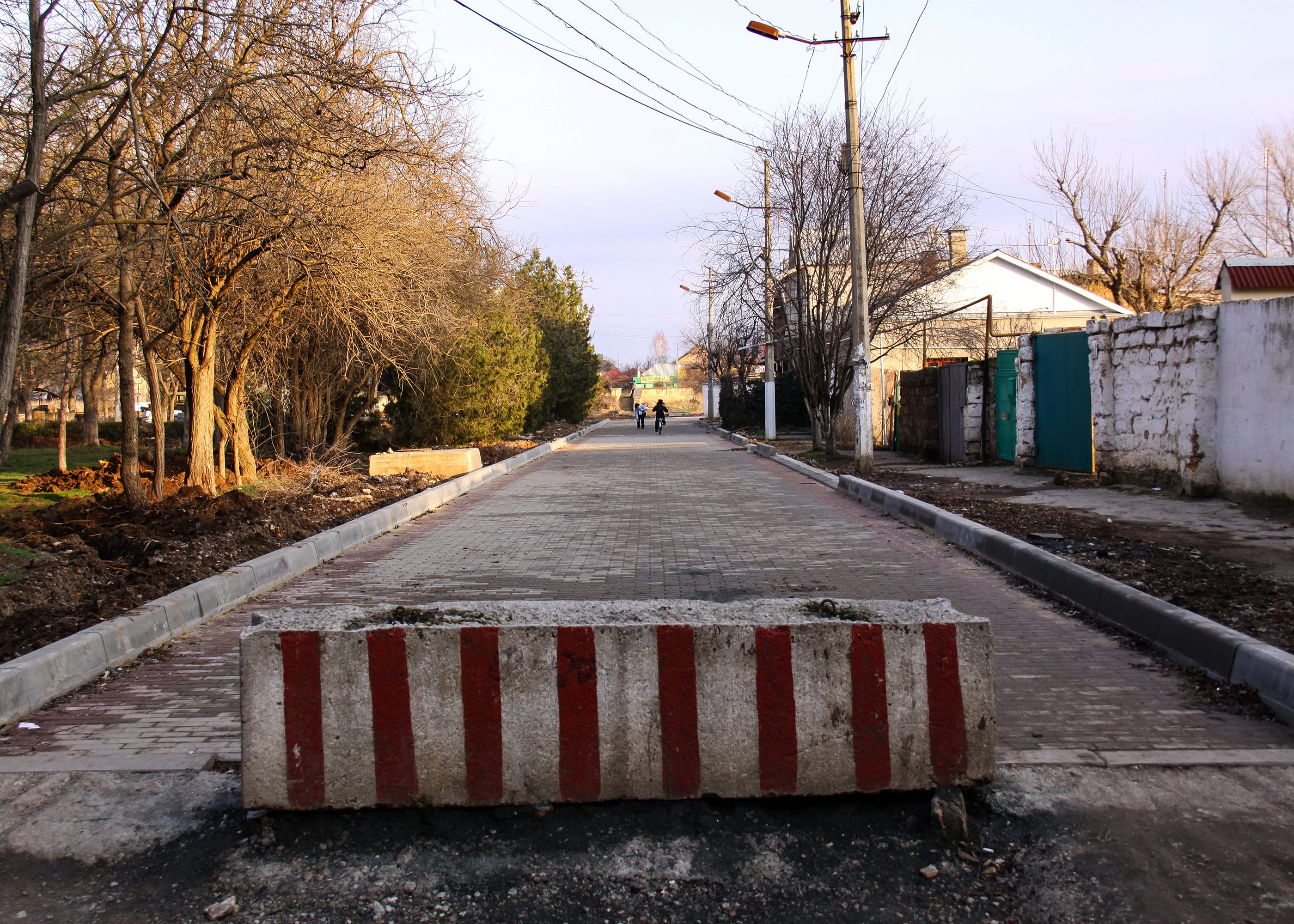
Saky
Russia took it twice but won’t have much fun with it. The local inhabitants were unhappy with Ukraine, and are even unhappier now. Which makes them very much like the Russians in the neighbouring Krasnodar Krai region, who now find out war is much less fun when it happens on your own beaches and is polluting your own water supply.
So, what’s the future of Crimea? I don’t own a crystal ball, but as long as the war goes on, it’s more or less a place you can’t operate — this includes the Russian forces. In the 5th year of the 3- or 10-days military special operation, Crimea is almost off-limits for the Russian military too, which is an almost Kafkaesque situation the Russians find themselves in. And it’s a place you can’t do serious business. If Russia manages to get away with the annexation, Crimea will most likely be a “non-place”, obscure and marching towards oblivion, attracting Russian lower- and middle-class beachgoers plus the odd “finding yourself” Russian digital nomad in search of enlightenment and digital detox, only to return to digital life after a long weekend.
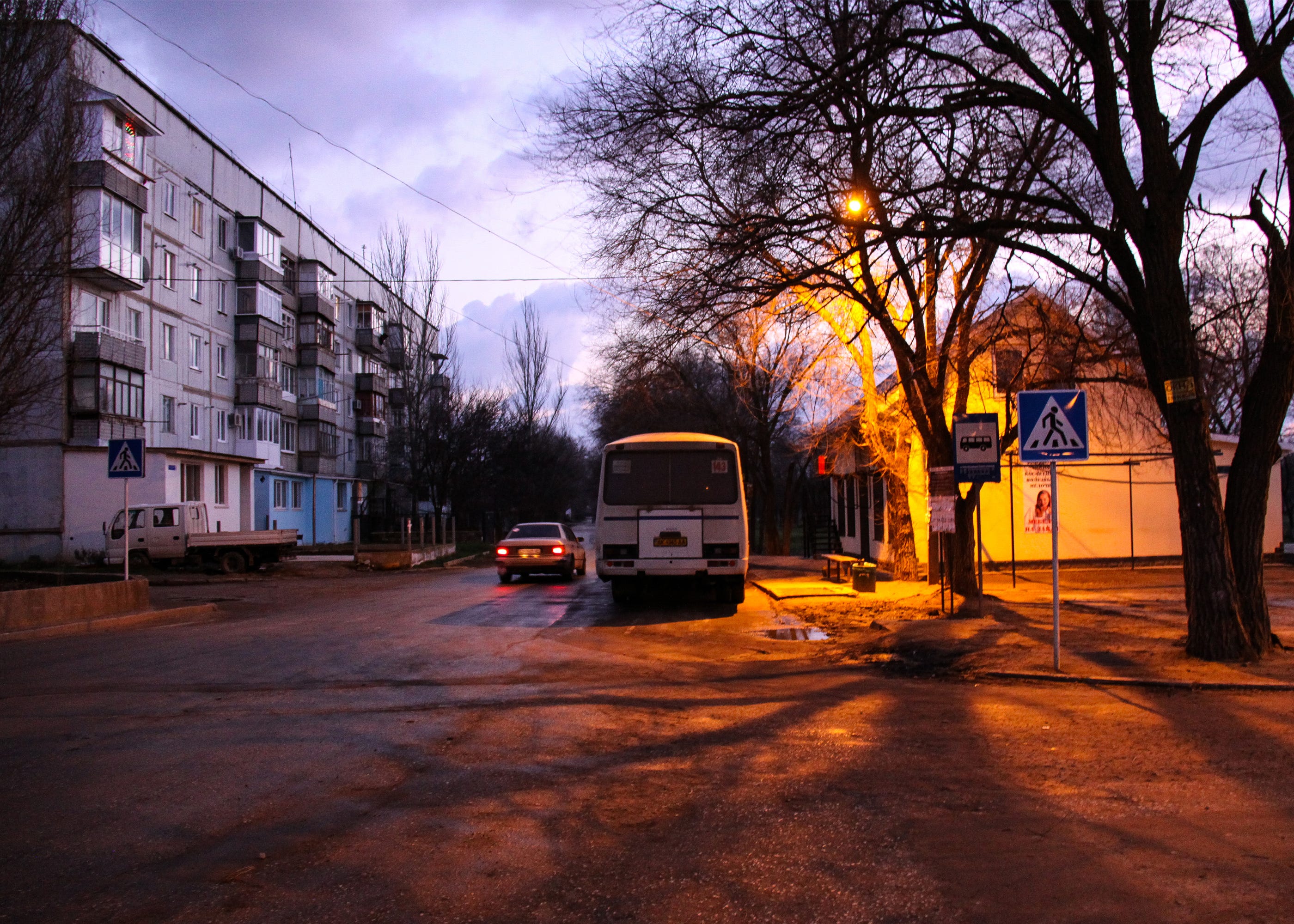
Novofedorivka, Crimea West Coast
Am I going to go back to Crimea? Absolutely. In the next months? No. For obvious reasons. I will wait until the Russians have departed. So, you might say, “you can wait for a long time”. Maybe, but then, the same people would have said in 1985 that the Soviet Union will never cease to exist. The area we called the Soviet Union, or Russia, always collapsed under its own weight, its lofty ambitions couldn’t be backed up with substance. We tend to forget that the Russian economy is roughly the size of Spain. With 3.5 times the population. And Spain has no oil or gas. Go figure.
If Crimea goes back to Ukraine, the challenge will be to also detox the peninsula from the now established Russian crime networks. Difficult, but doable.
But the question will be how the rest of Ukraine will welcome the ex-citizens who, at least partly, openly supported Russia, in search of Soviet “togetherness”.
Which existed only on paper anyway, or in lost, slightly deranged fantasies.