

On Eastern Europe
A Story Still in Progress

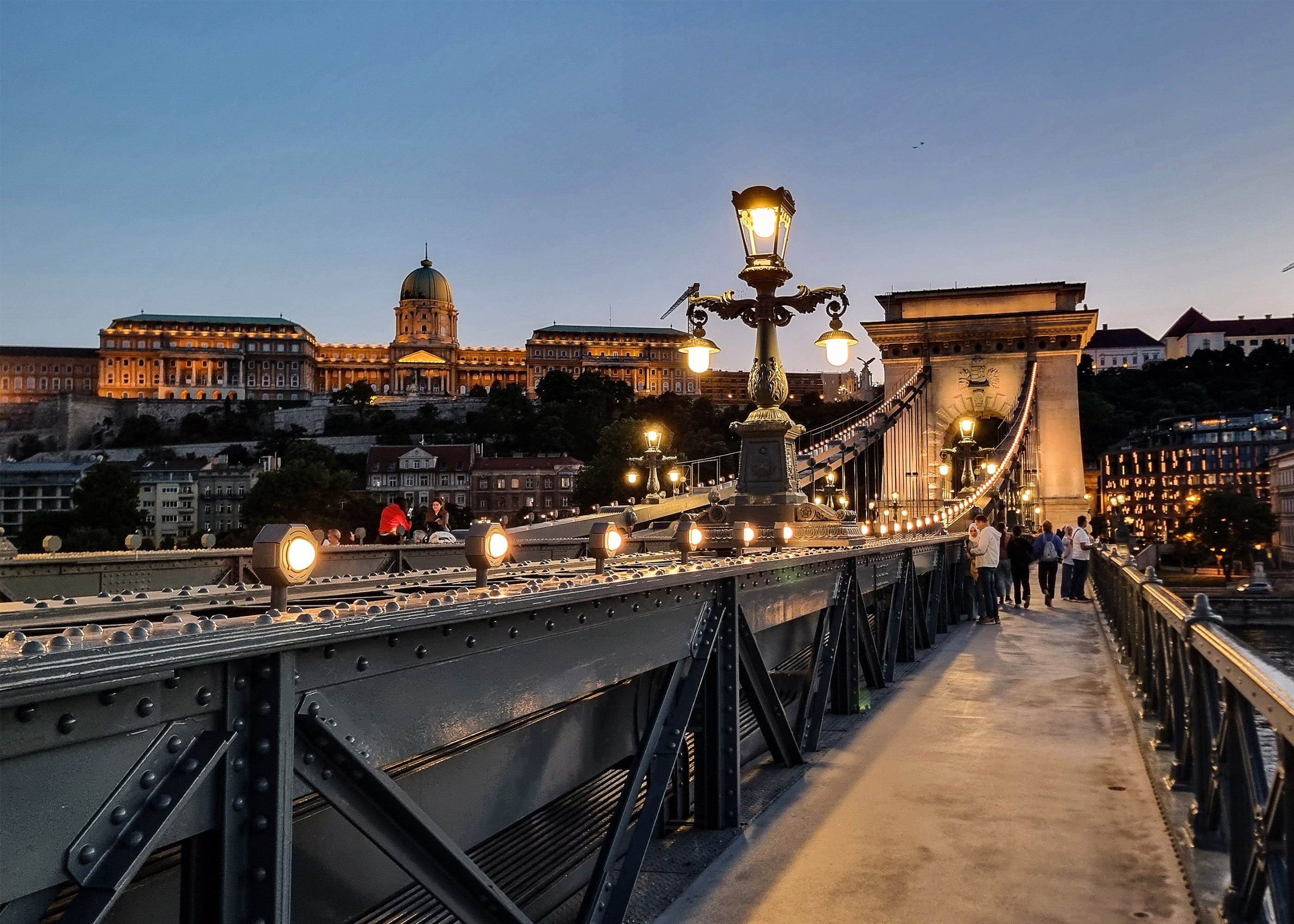
Budapest, Hungary, Thursday, May 9, 2024, 9:26 PM
I remember one particular morning in Kyiv. I was sitting in the back of Vassily's black S600 as the car rolled over the Southern Dnipro bridge. Kyiv rose from the wooded hills like a mirage in the morning mist, its golden domes and ancient monasteries gleaming in the soft light. It made me speechless. This was in 2008 or 2009, my second time in the city. I had a very early flight, and I made it just in time to marvel at the reflections of the sun rising up in my back.
I know how this sounds. Go see it for yourself. You’ll understand. You might want to wait until the war is over, depending on your ability and willingness to take risks.
I would return to that image. But to understand how I got there, I need to go back further, please bear with me.
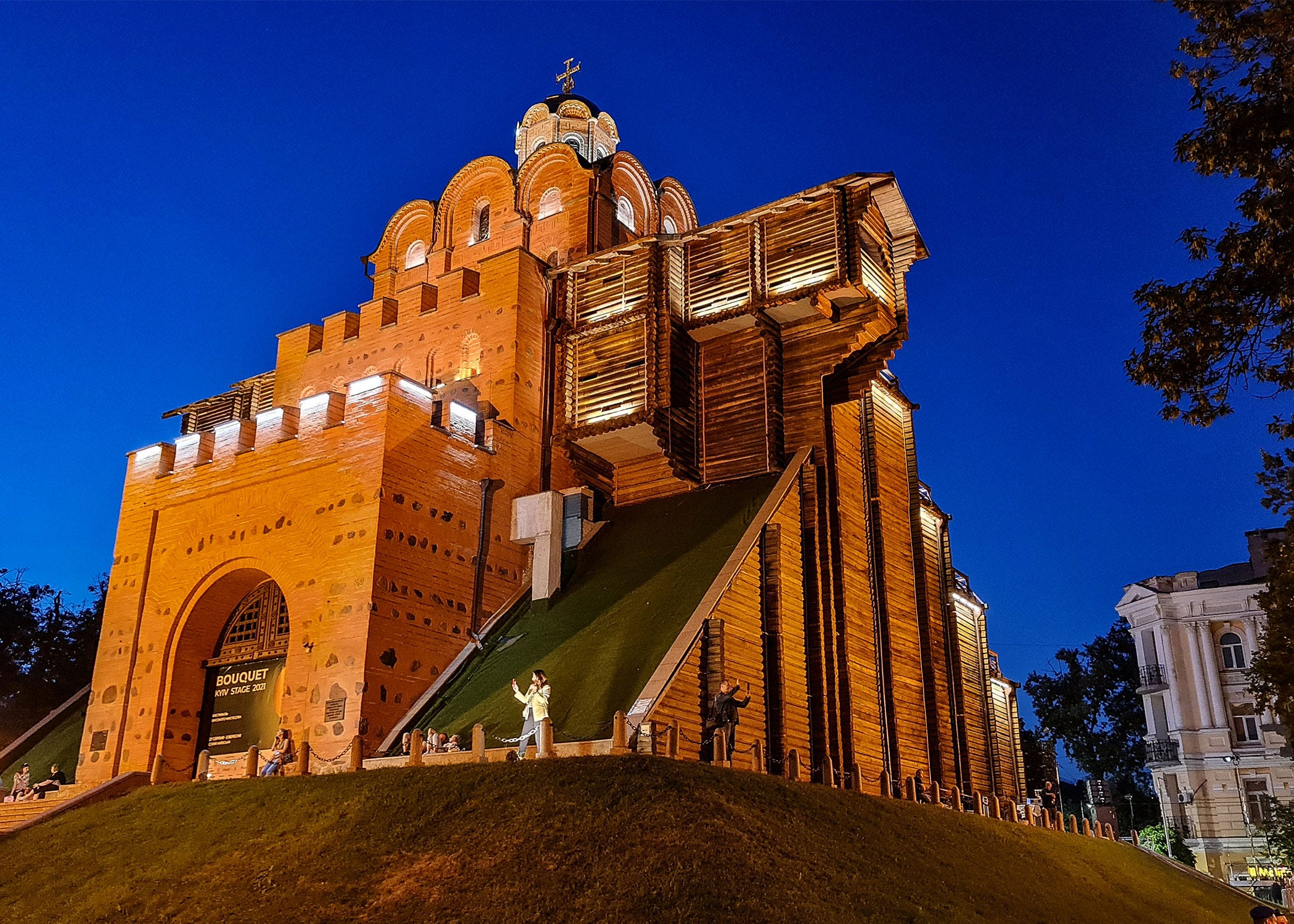
Kyiv, Ukraine, Monday, August 23, 2021, 7:41 PM, The Golden Gate of Kyiv
Childhood Memories
My earliest memory of Eastern Europe was Solidarność (Solidarity), led by Lech Wałęsa, challenging the authority of the USSR. I was a small boy. I didn’t understand the context, but I understood the serious undertone when the topic came up on the news. Before I was born, there had been the Holodomor in Ukraine — Stalin’s punishment of a people for their rebellion in the 1920s — the Hungarian Uprising of 1956, and the Prague Spring of 1968. But Solidarity was different. This time it worked. The Polish puppet government under Wojciech Jaruzelski imposed martial law. It didn’t help them. They had to make concessions, and a few years later the regime — and the rest of the Soviet Union — was history.
When I was a kid, I went to the boy scouts — the Wölfli — and had a buddy named Jiří, from what was then Czechoslovakia. I didn’t know his father had fled the country with his wife, but I knew Jiří had roots in Eastern Europe. It didn’t mean much to me back then, except his name, which I found curious. Fun fact: Swiss and German TV in those years was full of children’s series from Czechoslovakia, for reasons I never quite understood. PanTau, for example. But that’s another story.
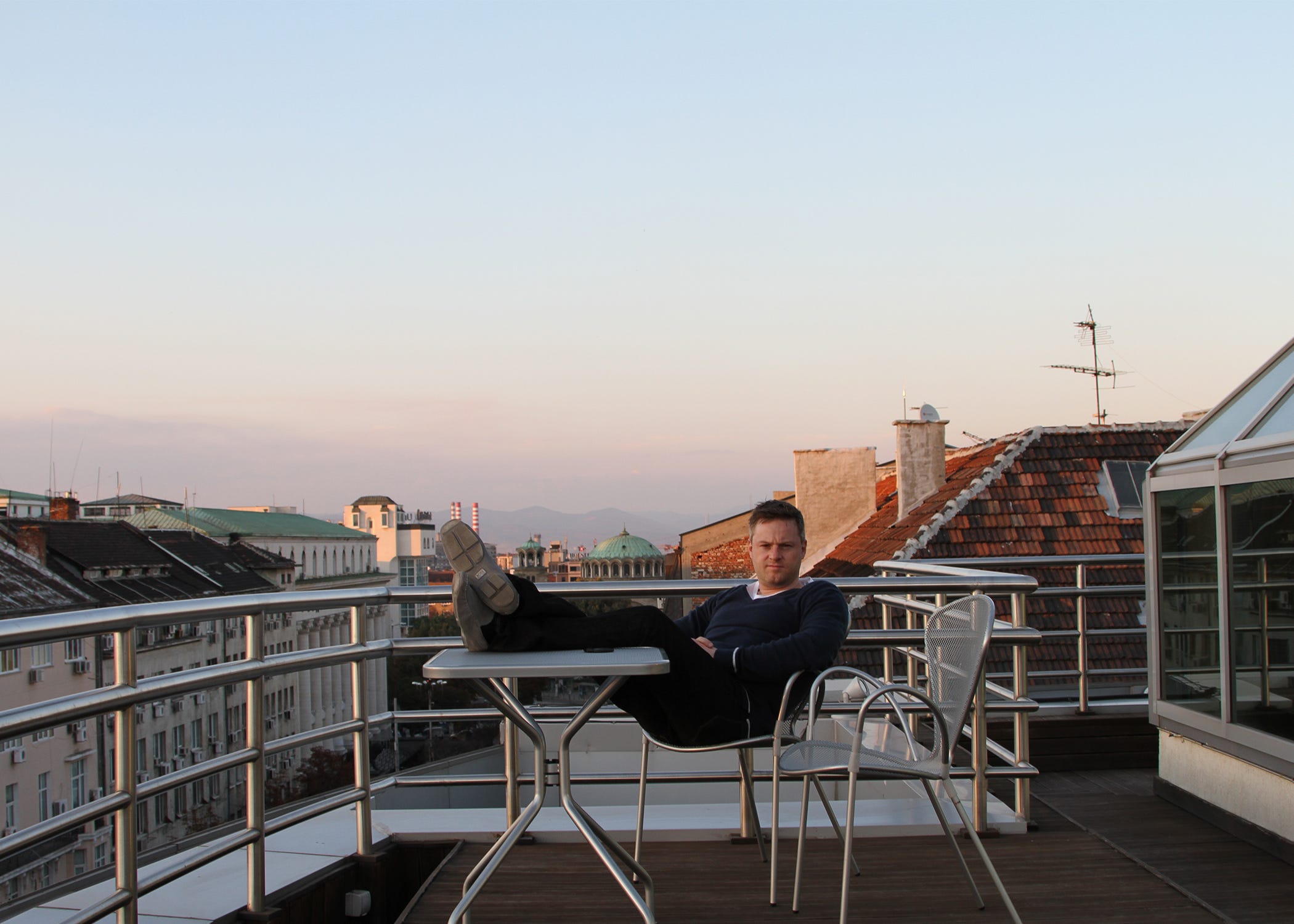
Sofia, Bulgaria, Friday, October 7, 2011, 7:33 PM
The first time I seriously thought about Eastern Europe was in my late teens. My best friend at the time was half Slovak — he still is, obviously (hello Martin, if you’re reading this). He occasionally visited Bratislava, the city where his father was from. I’ve always had a fascination with maps — I could spend hours staring at them as a kid, traveling the world in my imagination. I knew Bratislava wasn’t far from Vienna, but it lay behind the Iron Curtain, which was still very real in those days. To me, it might as well have been a million miles from Switzerland. And in 2016, visiting Martin at his office, hid dad was hanging around and asked me what I had been doing all these years. Obviously he remembered me from my late teens. We talked, about career, about Eastern Europe, and I told him that I made it out of Crimea just in time before Russia invaded in 2014 (a few weeks before to be correct). “What is this place, Yalta”, Martin asked. His dad knocked on his son’s head with his fist and said “i must have been doing a really bad job here”.
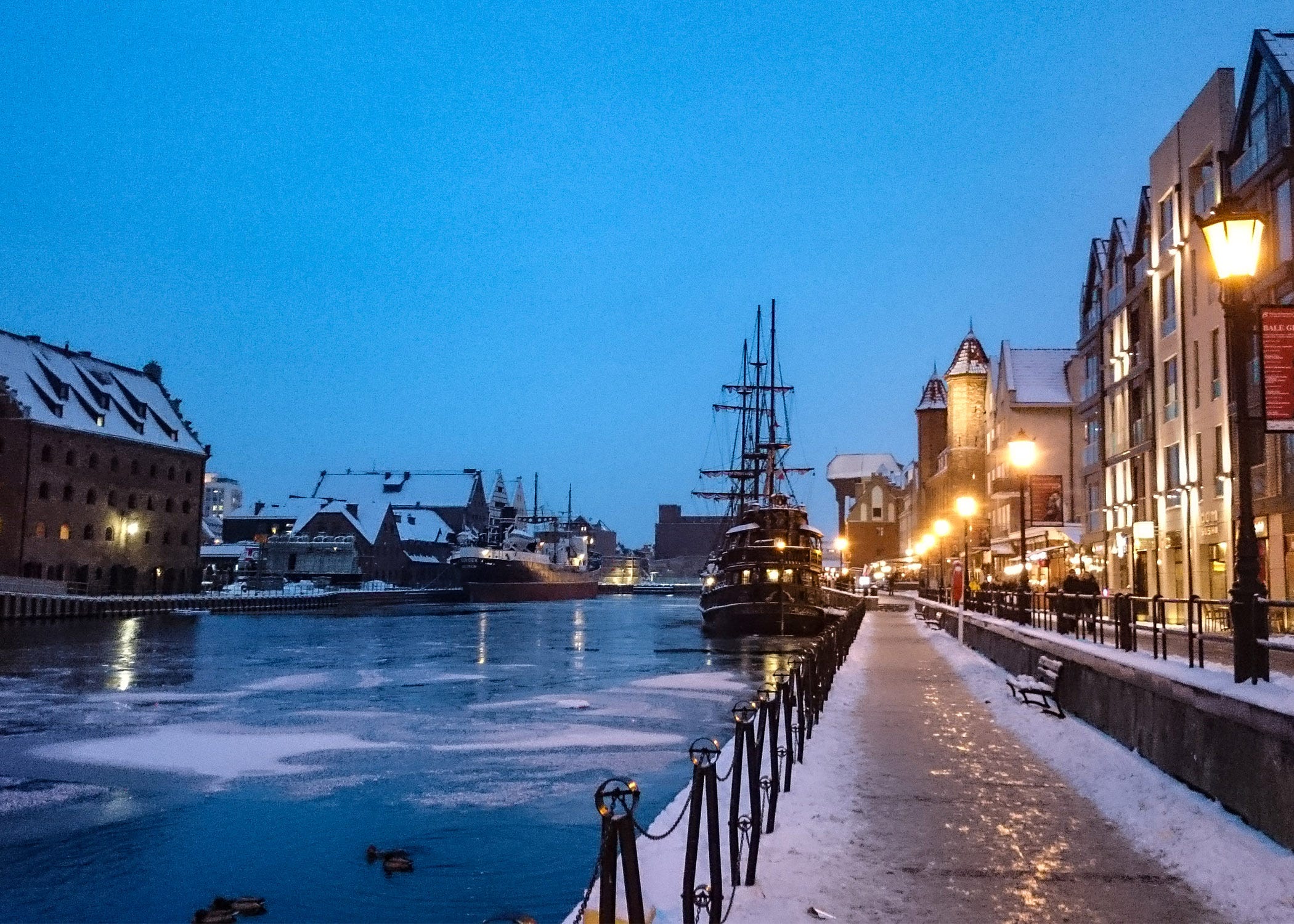
Gdańsk, Poland, Tuesday, December 30, 2014, 5:02 PM
Young and Stupid
In the 1990s, my view of Eastern Europe was shaped — negatively — by other people’s opinions and the media. The region seemed gloomy, depressed, full of criminals and prostitutes. That was the cliché, and like many, I believed it.
But something else was happening in Western Europe that would later make me understand why Eastern Europe mattered more than it seemed. Because of work (and romance), I more or less commuted from Geneva or Zurich to Milan or Venice every week, and I got to know those lovely cities — Padova, Vicenza, Treviso, Verona, Bassano del Grappa, and my favorite of all, Trieste, the pearl on the Adriatic.
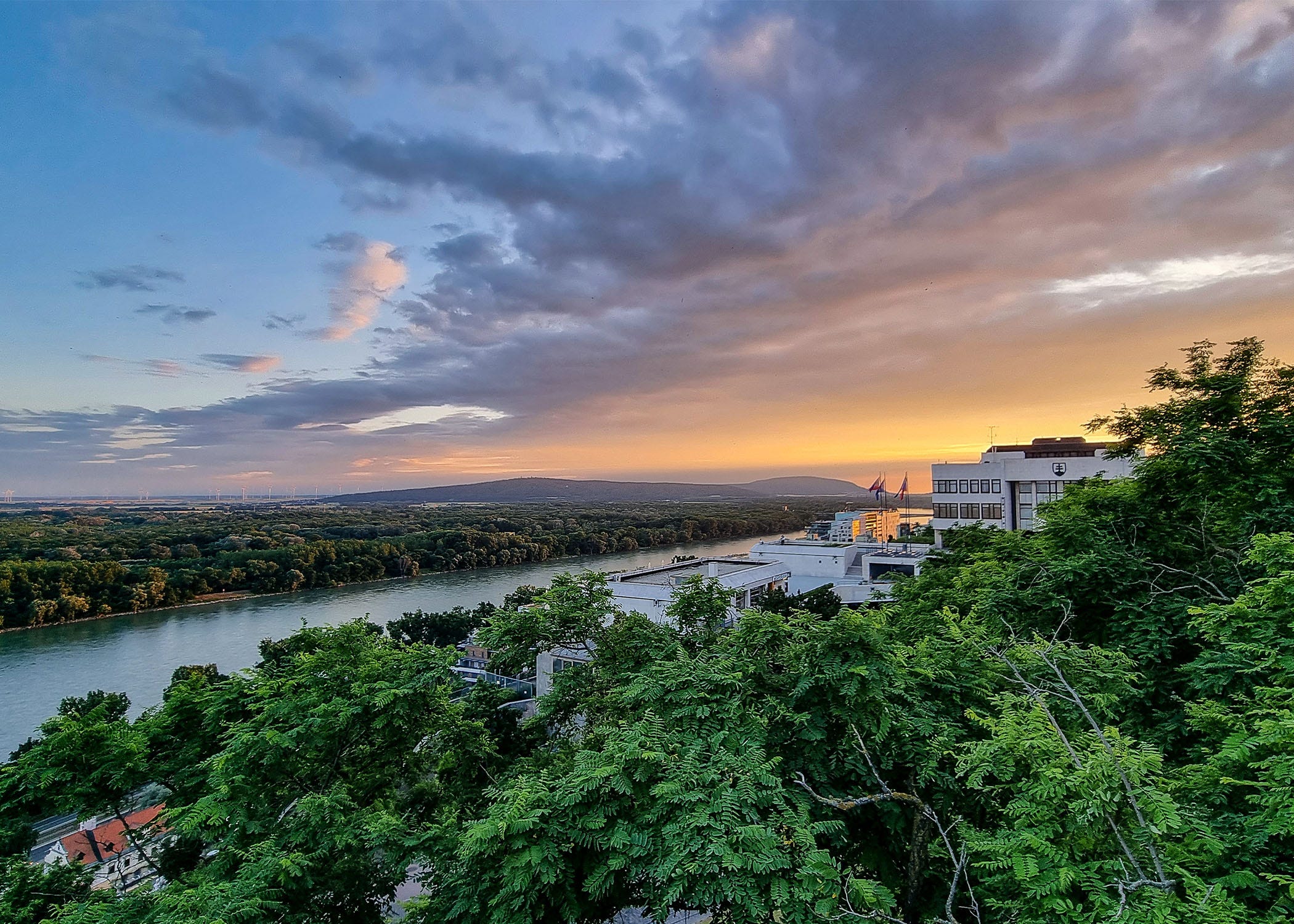
Bratislava, Slovakia, Saturday, June 24, 2023, 9:28 PM, view of the River Danube from the Bratislava Castle, the Bratislavský Hrad
In the late 1990s, the markets in those towns were populated mostly by Italians — old ladies from the countryside selling fresh fruit and vegetables I had never seen in Switzerland, the Radicchio Rosso di Treviso for example, and chubby men slicing aromatic porchetta for simple but delicious sandwiches. Those were good times.
Gdańsk, Poland, Saturday, July 17, 2010, 11:14:30 PM, dinner with J.
When I first visited Lisbon in 1999 I loved it. I had read Pereira Maintains by Antonio Tabucchi beforehand, recommended by my Portuguese friend Eric, and felt adequately prepared. You still paid in escudos, and the city had a sleepy, provincial charm, even during peak season. It was safe to walk at night. London, at that time, was quirky, full of cool shops and bars. I remember going to a club called The Fridge in Brixton one night in the '90s (in 1996 to be precise, when I worked for JATO) — you could feel the raw energy of the coming millennium, the pulse of jungle and drum & bass, the excitement of a changing world.
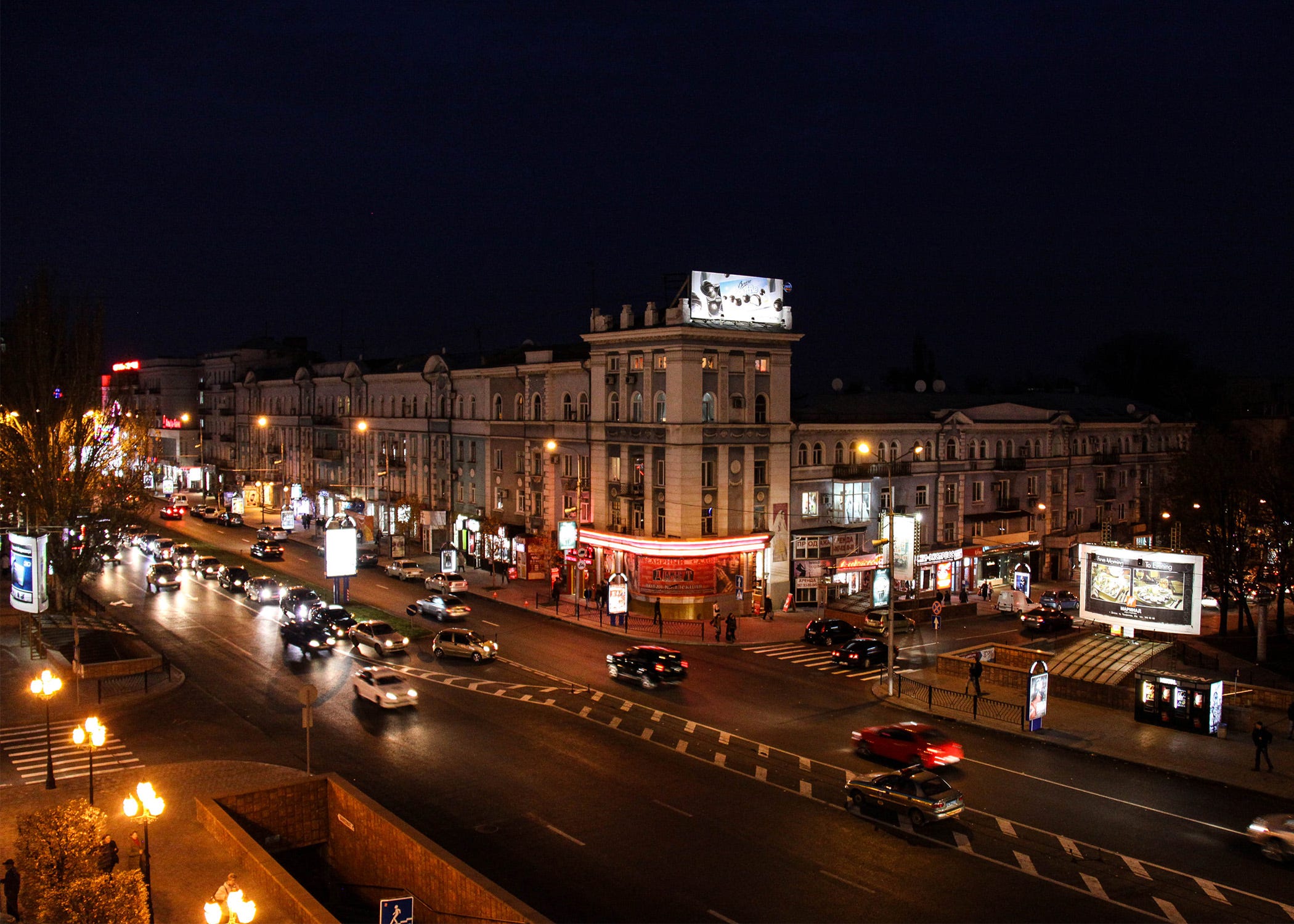
Donetsk, Ukraine, Thursday, November 11, 2010, 7:33 PM, view from the Donbas Palace Hotel, once owned by Rinat Akhmetov, now under “new management”
Around the same time I began exploring Berlin. A friend I had known in Dublin had moved back there, and he showed me the city before it became what it is now — bars that would later be called pop-ups, clubs in the no-man's-land of East Berlin, experimental art spaces, obscure record stores. Berlin was still a secret back then: affordable, raw, creative, authentic. I remember one particular evening near Ostbahnhof — a club in a disused railway substation, hard techno, a huge illuminated balloon floating above the scene, people dancing on the tracks outside. Wild but strangely calm.
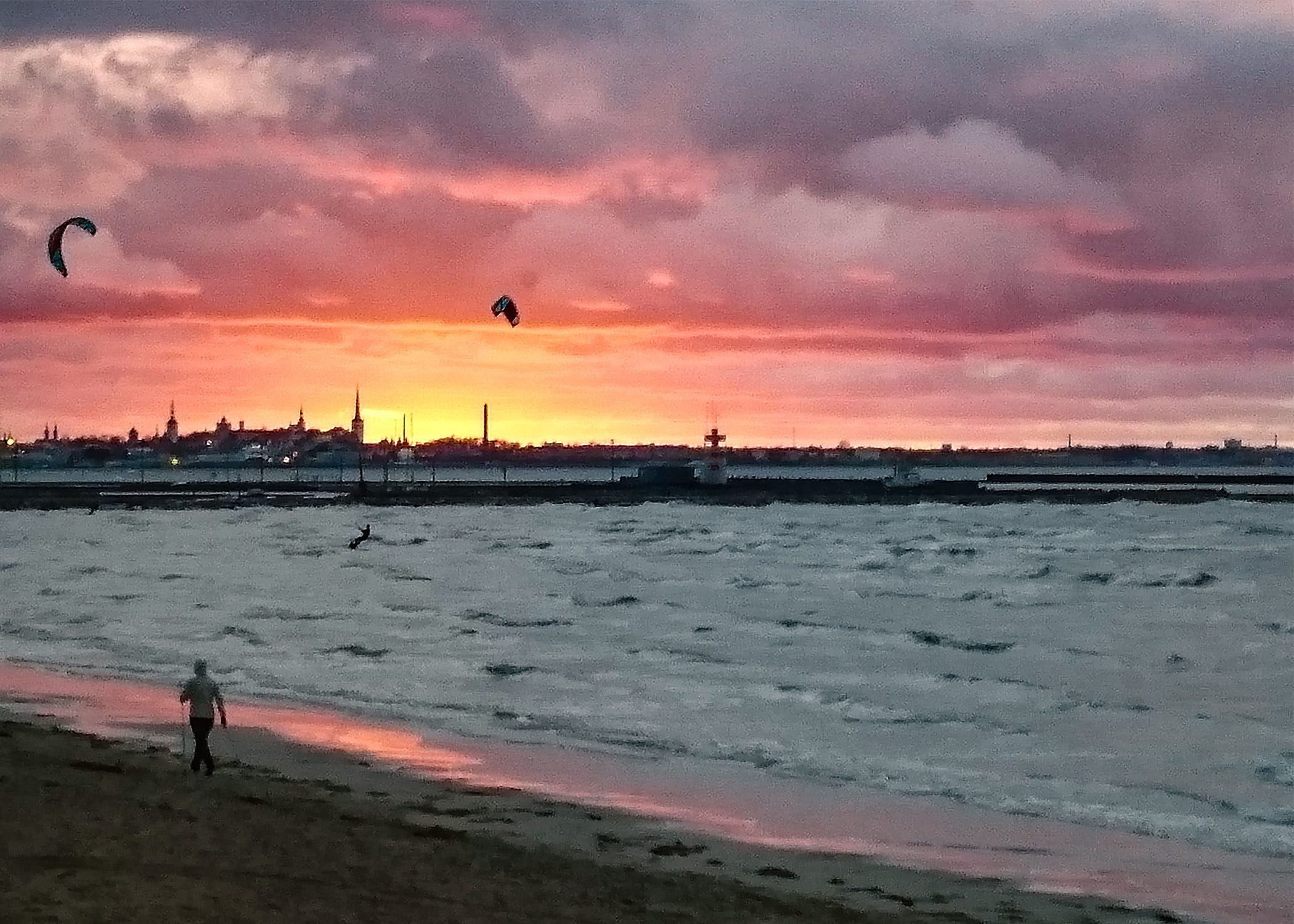
Pirita, Estonia, Wednesday, November 11, 2015, 4:03 PM, view across the bay towards the old town of Tallinn
But over time, two things began to happen — mass tourism and rising crime. Both drove prices up, and both eroded the soul of these places. In Berlin, many clubs closed and mainstream tourists moved in. In Padova and elsewhere, the market stalls run by elderly Italians selling Radicchio Rosso di Treviso, white asparagus, and thistle were gradually replaced by generic produce stands selling tomatoes, green apples and oranges — often run by immigrants from Bangladesh or Pakistan — creating something that felt increasingly interchangeable with markets in the UK, Germany, or the Netherlands.
The places I had loved were becoming somewhere else. And I started looking east.
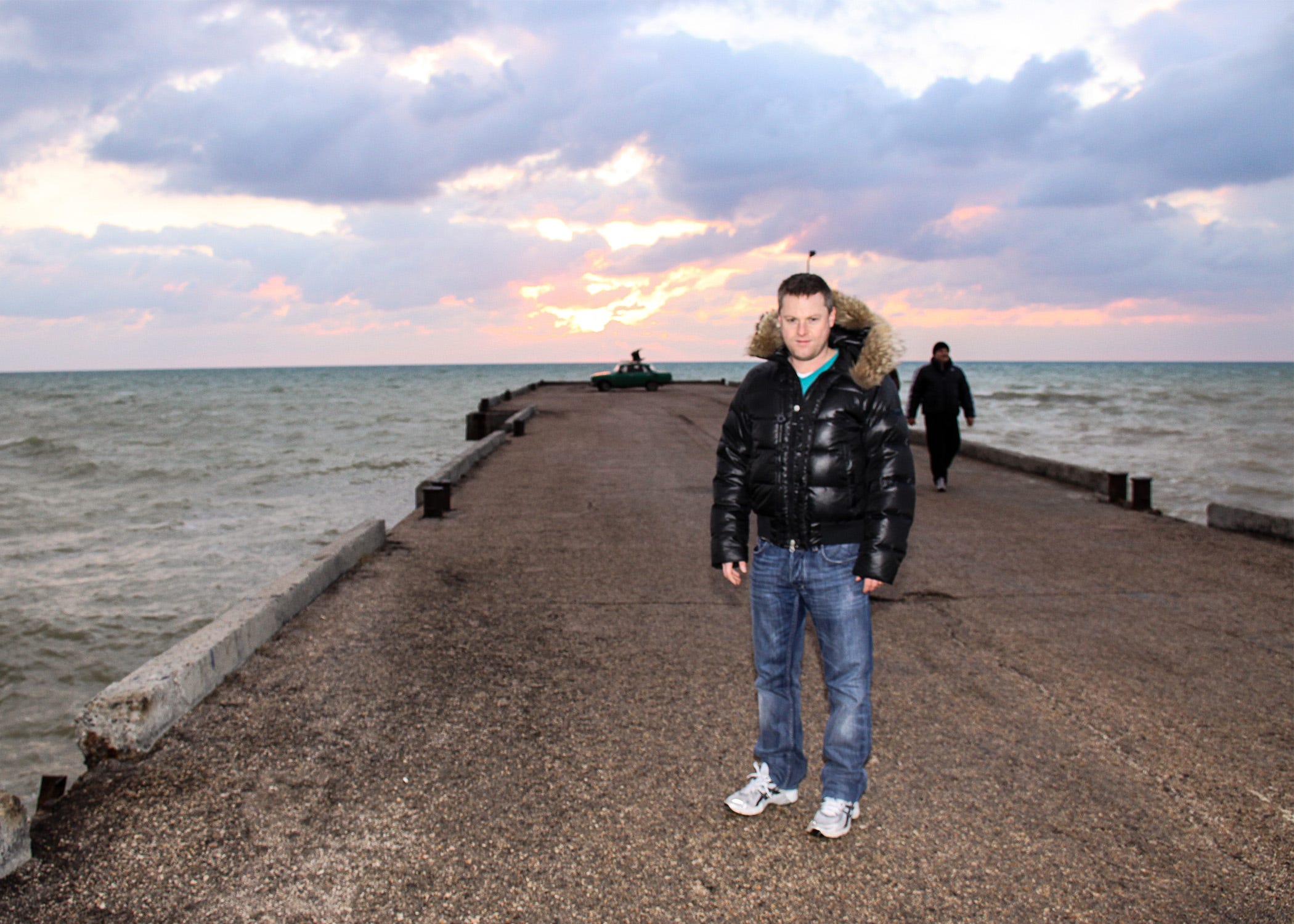
Novofedorovka Plyazh, Crimea, Ukraine, Saturday, January 1, 2011, 3:04PM, a few minutes away from Saky airbase
Warsaw
In the mid-2000s, a Norwegian friend of mine — living in Switzerland at the time — and I decided to go somewhere for a weekend, somewhere neither of us had been. We both worked for large American technology companies and, between work and private travel, we had been almost everywhere. Everywhere mainstream people went, that is. Shopping in New York, walking over the Golden Gate Bridge in San Francisco, eating sausages in a tiny restaurant in Barcelona, buying rare Port wine in Porto, queuing two hours for the cheapest Michelin-starred restaurant in Hong Kong, paying ten euros for a cappuccino in Copenhagen, swimming in the Atlantic off the coast of West Africa. This sort of thing.
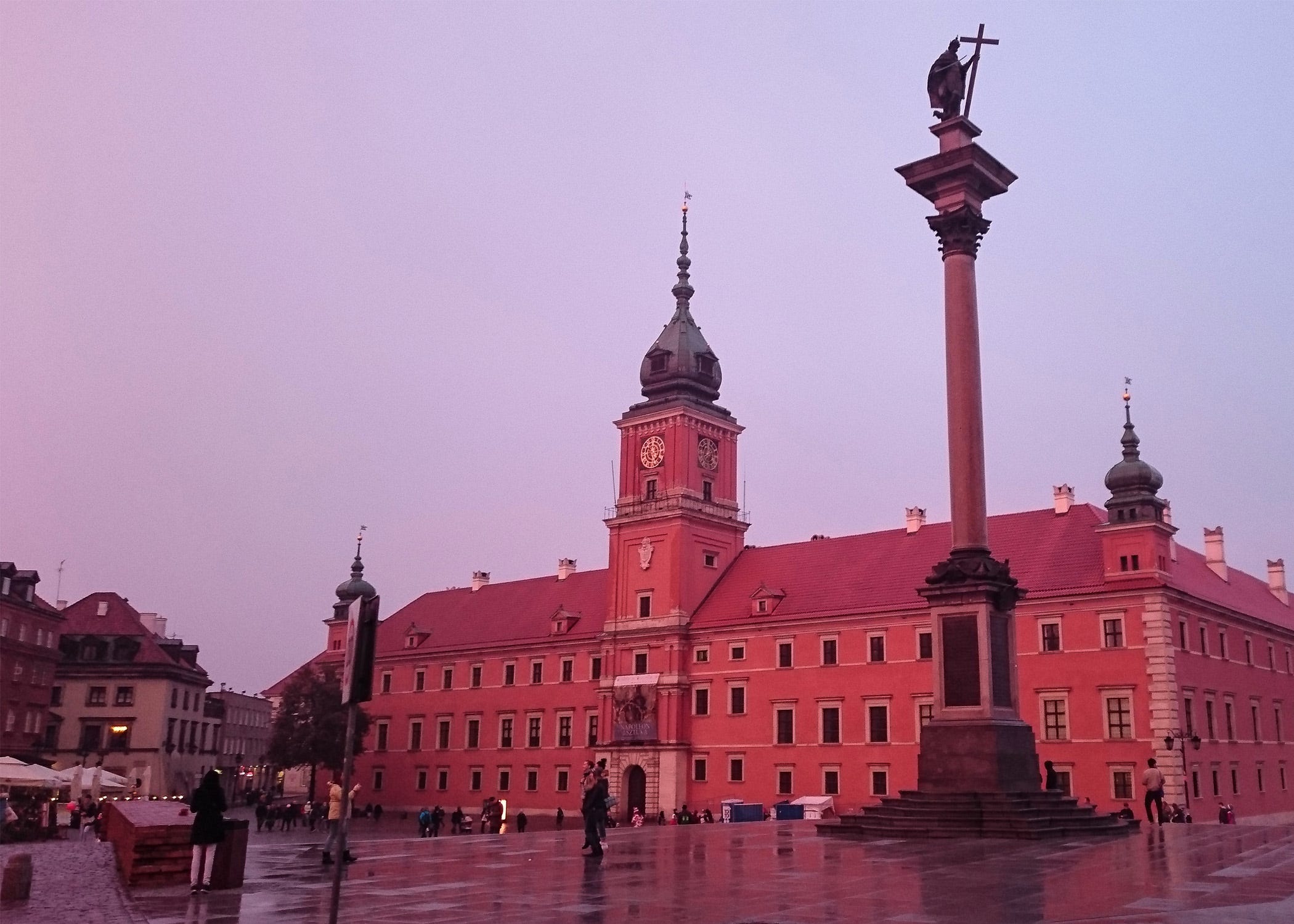
Warsaw, Poland, Sunday, October 25, 2015, 5:26 PM, The Royal Castle, Zamek Królewski w Warszawie
We went to Poland instead, which had just joined the European Union. It felt refreshingly different — not only because it was winter and fairly cold. My friend had injured his knee, so we hired an S-Class Mercedes with a driver named Janosh, who appeared to regard all traffic laws as mild suggestions. It was cold and grey and we rarely saw the sun, but Janosh drove us tirelessly through the city. Tirelessly fast, that is. At some point, mildly concerned for our safety, we asked him what the speed limit was. “The limit is 50, I am going 150” he replied cheerfully. More than 90 miles per hour. In the city. Very good. Years later, in another limousine, I mentioned Janosh. The driver turned around “the crazy bastard is now in Sweden”, he said.
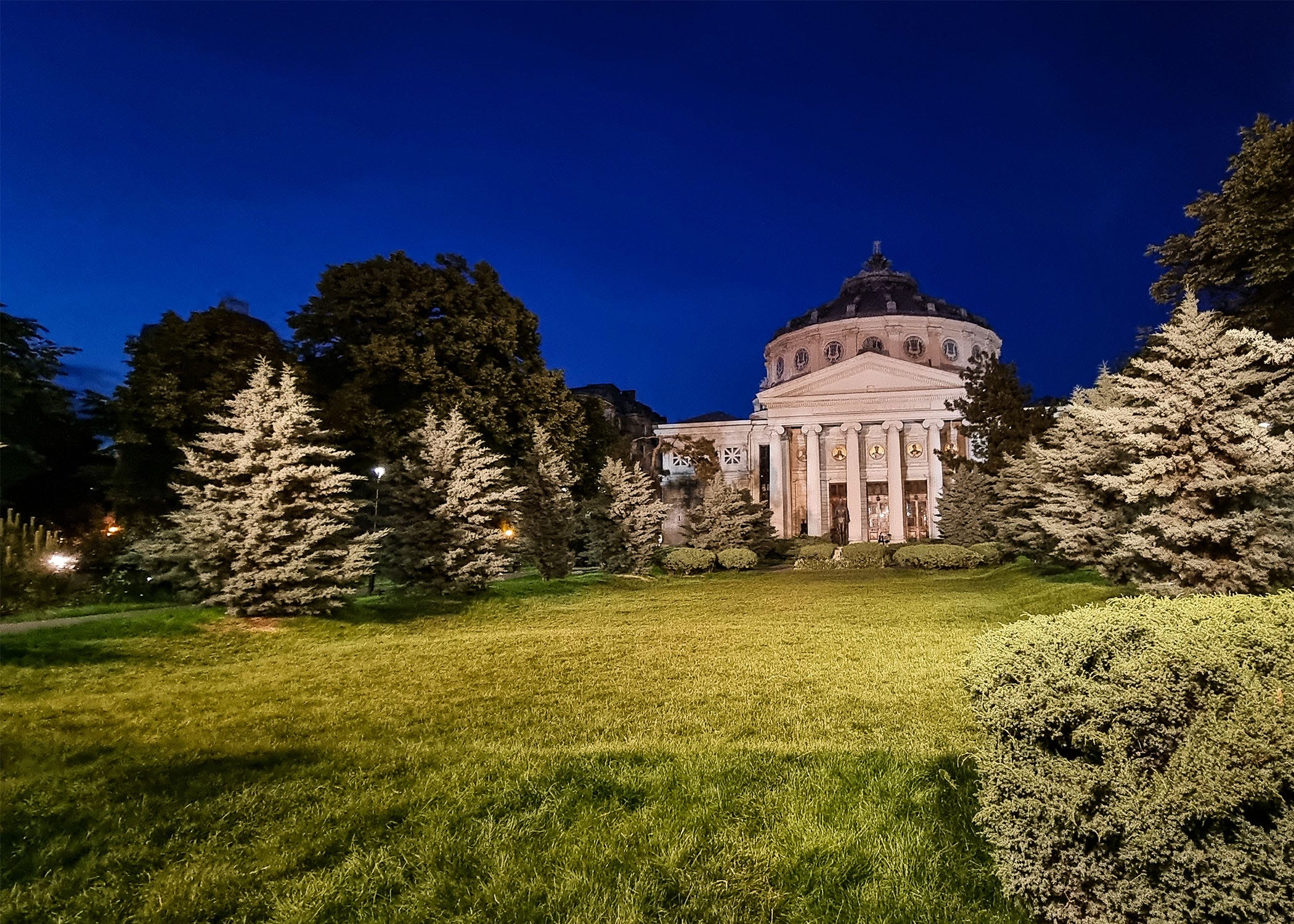
Bucharest, Romania, Sunday, May 19, 2024, 9:24 PM, The Romanian Athenaeum, Ateneul Român
We stayed in a Radisson in the centre — two enormous suites for what we considered a steal, the hotel almost empty. Despite the bleak weather, I loved Warsaw from the start: the slightly dark atmosphere, the energy beneath the surface. We had baby sturgeon for dinner at a restaurant called Pushkin, drank our way through various vodkas at a place called Zebra Bar (can I tried this one, and that one, now let’s go back to the other one), and, in short, had a great time.
A few weeks later I was back, this time alone. I met a local girl called Alexandra, and for many years afterwards, every time I was in town we would meet up. It became a tradition I cherish we still held up today. She is no longer the wild goth girl spending her nights in dubious clubs and at concerts — she has kids, two dogs and a cat I repeatedly threatened to abduct (Lodzka, Polish for “ice”, I loved her). And from there, things began to accelerate.
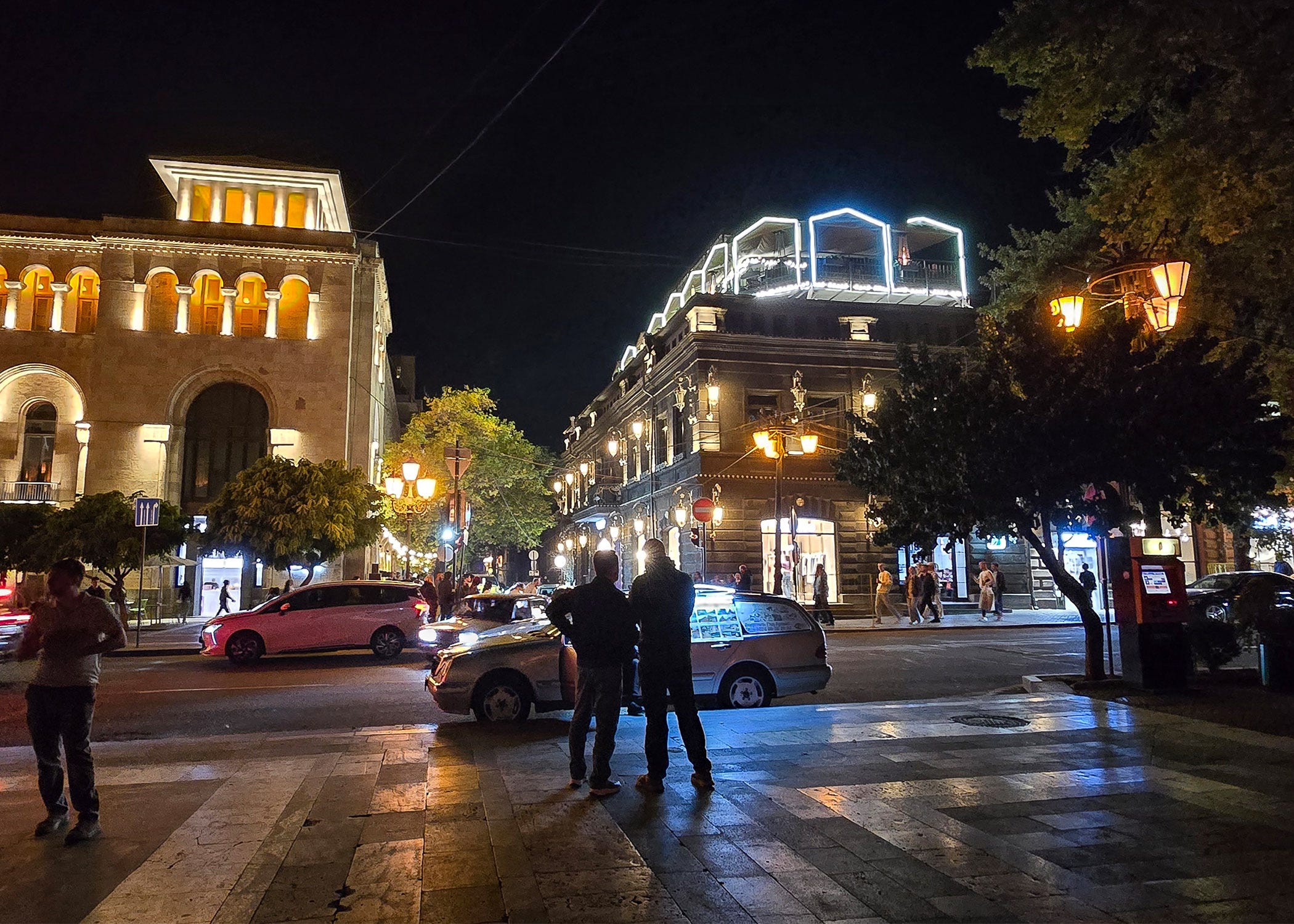
Yerevan, Armenia, Friday, October 10, 2025, 7:35 PM
Going East
I visited Prague, returned to Warsaw, then Sofia, Gdańsk, Budapest — and gradually moved east. I wasn’t trying to check off destinations. I wanted to understand them out of curiosity — to see how they evolved. I began visiting cities repeatedly: Lublin, Tallinn, Riga, Vilnius, Sofia, Lviv, Bratislava, Belgrade, Bucharest, Kyiv, Odesa, Donetsk, Simferopol, Kharkiv — sometimes for a weekend, sometimes for two weeks, sometimes for business, sometimes not. My passports filled with Ukrainian stamps, page after page, eight of them fitting neatly on one passport page. Over time I added destinations which were less and less touristic, Chisinau, Baku, Yerevan and others.
When I first visited Tallinn, it was late autumn. The afternoon was sunny, the air crisp. I went down to the old yacht port, to a restaurant called Klaus — now closed. I ordered a salad and a glass of white wine, sat outside on the wooden deck, and looked out at the small boats. A few little girls with blonde braids played in the sandbox nearby. The atmosphere was peaceful, beautiful, almost cinematic. My phone rang — it was my late dad. “Where are you?” he asked. “I think I arrived in paradise,” I replied.
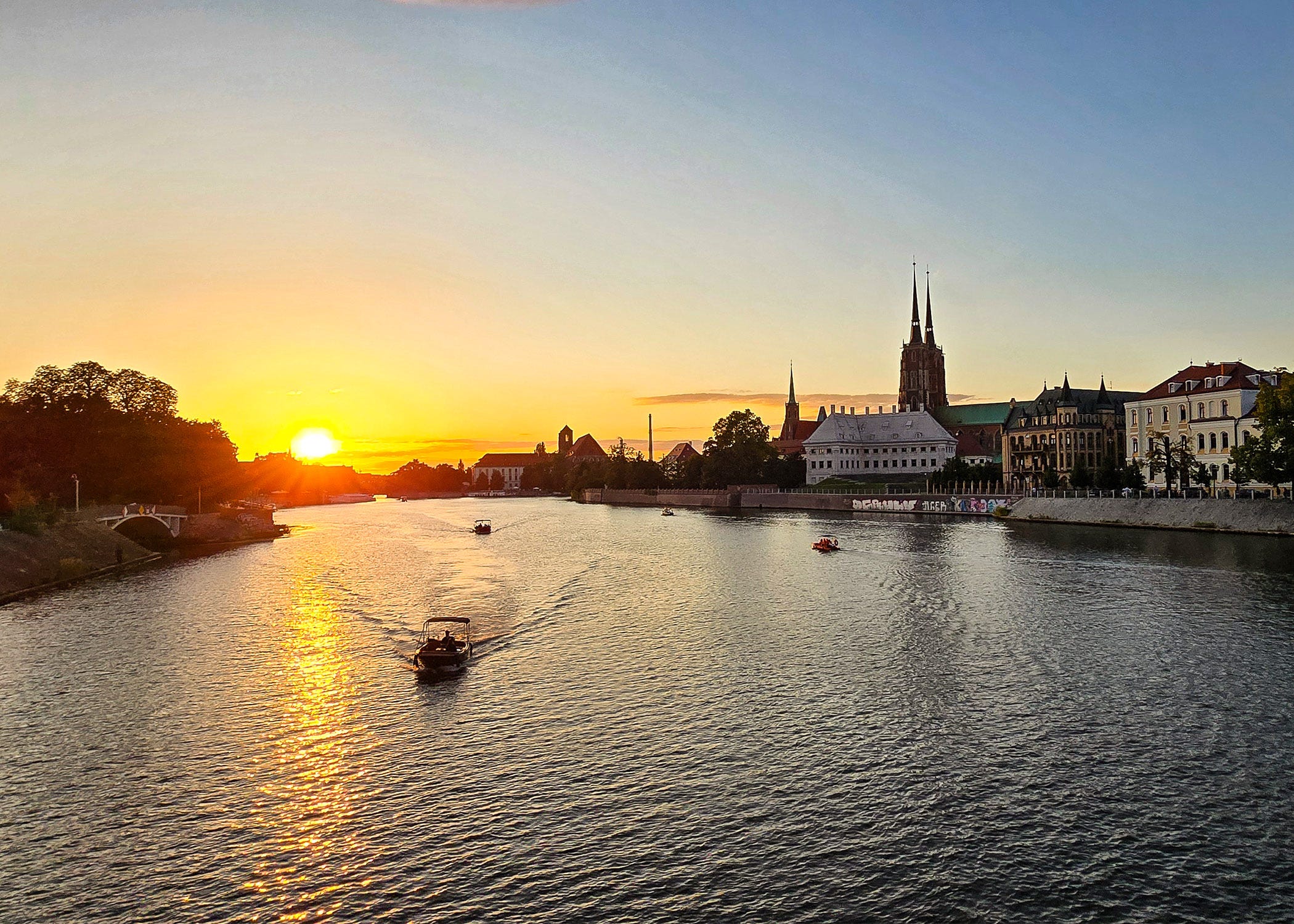
Wroclaw, Poland, Sunday, August 17, 2025, 8:47 PM
Later, I was invited by a local dignitary to dinner across the bay. We watched the sun set over Pirita Beach, Tallinn’s skyline glowing in the distance, kite surfers gliding across the water. Luckily, I took a photo.
When visiting Sofia for the first time in the 2000s, the new Terminal T2 had just opened. There was no Ryanair, no Wizz Air — just a handful of people hanging around in the departure hall. The further east I went, the wilder it got. A taxi driver in Kharkiv asked if I minded him stopping to get something to drink, then returned with a large bottle of beer. I learned the Cyrillic alphabet and how to survive in Russian, and later Romanian. I am at a modest B2 level currently. In Kharkiv, my friend Svita took me to a club located on the top of an office building (or hotel?), called Panorama. It was summer, and the roof terrace was covered by a tent-like structure which was surprisingly waterproof (there was a heavy thunderstorm during that night).
I bribed a guard at the Livadia Palace in Yalta so the young lady I was with could take photos of me in the room where Roosevelt, Churchill and Stalin met at the end of the Second World War. My amazement back in Geneva when a VP asked me in a senior management meeting where I had been. “Yalta,” I replied, looking into blank eyes. Nobody except the man who asked had ever heard of it.
I’ve been to Crimea several times, partly because I once dated a lovely young lady from a spa town on its western coast, Olya. In Yalta I ate in a fine dining restaurant — yes, they existed — overlooking the Black Sea, a short walk up from the Hotel Oreanda, which is still a hotel, now under new “management.” We had grilled fish, rather excellent, and a bottle of Bordeaux — a Deuxième or Troisième Cru, I don’t remember exactly. What I do remember were the two men at the neighbouring table in the otherwise empty restaurant, ordering a second bottle at lunch. I peered at the label and realised those two gentlemen had just consumed the equivalent of a small car. A friend of my brother who used to run a fine dining restaurant once said something about how he loved a great wine just a few years past its prime. “Like a fading flower,” he murmured. That thought came to mind as we emptied our own bottle, looking out at the sea.
Lviv, Ukraine, Sunday, March 21, 2010, 2:03 PM, with Ira, yes, the quality of phone cameras was substandard back then
Strange, almost deserted luxury hotels in Alushta. The odd, stuck-in-amber atmosphere of Yalta — something looming in the dark. The pier stretching into the sea, minutes from the airbase now regularly struck by Ukrainian drones and missiles off Saky airbase. A surprisingly luxurious nightclub in Yevpatoriya. Crimea is, by Western standards, a bizarre place. By any standards actually. I hear things have changed considerably since the Russians moved in. The mafia took over most businesses; local owners simply disappeared.
The time people started to rebel against the Yanukovych puppet regime, I was walking with my then-girlfriend Yasya along Khreshchatyk, the main artery of Kyiv. The situation was tense — riot police everywhere, armoured personnel carriers moving through the streets. And me carrying a digital SLR, a white Canon L-Series superzoom of the kind used by journalists the world over. Police officers observed us, speaking to each other. “They’re discussing whether to arrest you,” Yasya said. “They think you’re either British or American.”
Back to the Bridge
Which brings me back to that morning in Kyiv — crossing the Dnipro on the Southern bridge, the sun rising behind us, illuminating the countless golden domes of the churches and monasteries emerging from the mist. It was a spectacular sight, and it said something I had come to believe after years of travelling this part of the world: that Eastern Europe contains multitudes most people in the West never get close to seeing.
The first time I visited Kyiv, I stayed at the Radisson. I remember walking to the Golden Gate with my iPod (late 2000s, Ipods…), listening to Mussorgsky’s The Great Gate of Kyiv. It was the first thing I did after dropping my suitcase in the room. Some places demand that kind of ceremony.
What Eastern Europe Actually Is
People in the West often imagine Eastern Europe as a single grey block — grim, poor, vaguely dangerous, and vaguely romantic. That couldn’t be further from the truth. Tallinn and Tbilisi have less in common than Madrid and Oslo. Move a few hundred kilometres and the languages, cuisines, tempers and dreams all change. It’s a kaleidoscope, not a monolith.
What I discovered over those years is that Eastern Europe isn’t a region — it’s a universe. A space stretching from the icy shores of the Baltic to the vineyards of the Black Sea, from the cobbled streets of Prague to the sunburnt steppe of Azerbaijan. It’s vast, layered, contradictory, and endlessly alive. The further east you go, the more the map dissolves into stories — of ambition and heartbreak, of survival and rebirth. You pass from Romanesque cathedrals to Soviet concrete, from slow rivers to restless startups, from cities scarred by history to villages where time seems to have stopped. The contrasts are sharper here, and the shadows appear longer.
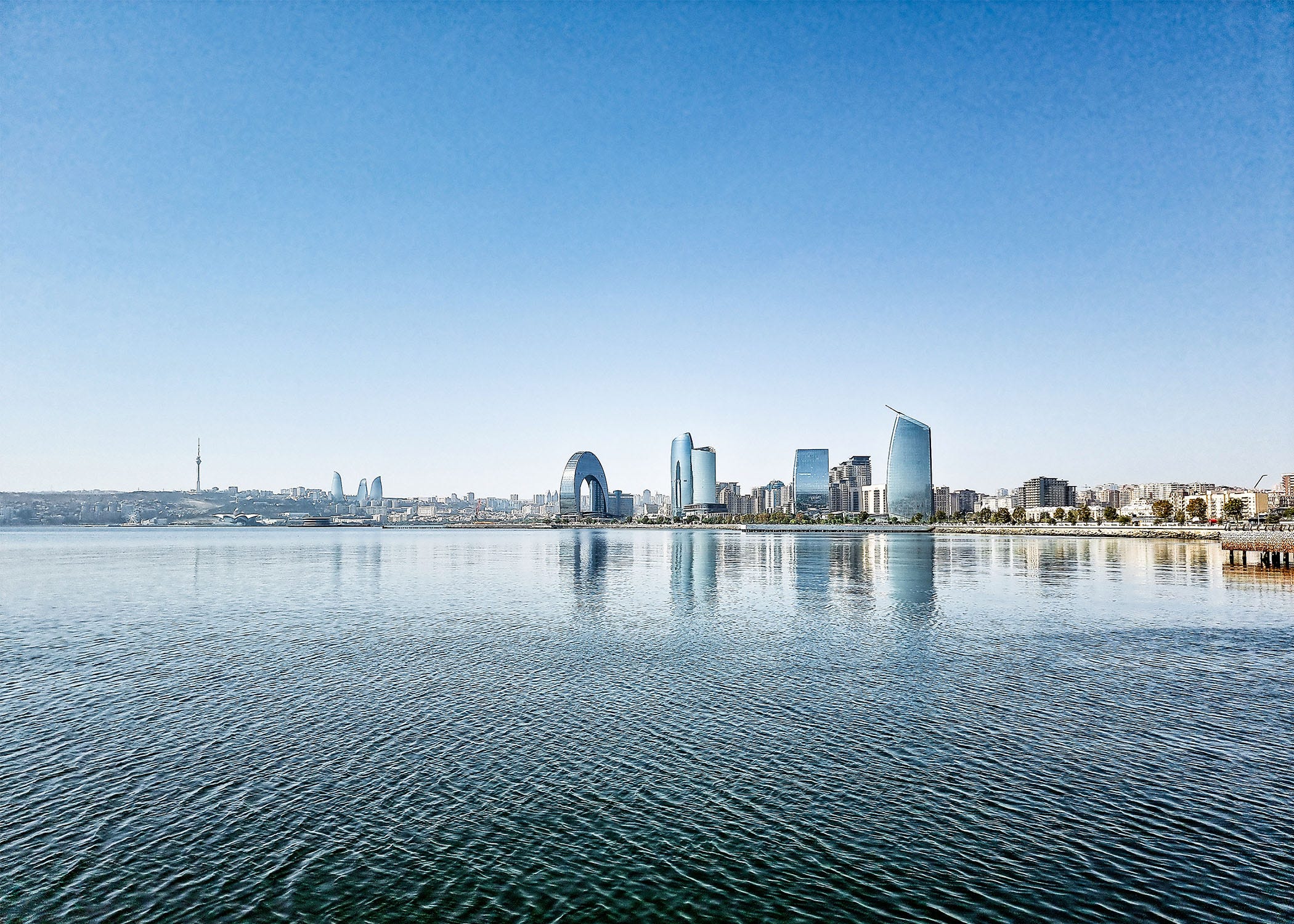
Baku, Azerbaijan, Caspian Sea, Wednesday, October 5, 2023, 2:56 PM
And yet it remains largely terra incognita for most Westerners, who continue to flood southern Spain, Portugal or Greece — destinations where rising temperatures and water shortages are just two of many gathering threats to long-term appeal.
Over the years, I visited every major city in Eastern Europe — from Tallinn in the north to Burgas in the south, from Prague in the west to Baku in the east. I began to understand the lay of the land: the differences in culture, food, climate and mindset. Georgian, Polish, Moldovan, Armenian and Lithuanian cuisines all found their way onto my favourites list. I made friends, many of whom I still see regularly today.
What This Is About
That’s what THE EASTERN SOCIETY is about — going deeper. Seeing what’s really there. Understanding what drives people, what opportunities lie hidden in plain sight, what rules shape the game in business, in love, and in everyday life. Yes, there is Budapest, there is Prague, there is Tallinn. But there is also everywhere else.
Eastern Europe isn’t just one place — it’s part of the European cultural heritage, asleep for decades until the USSR collapsed. Whatever the reasons you are interested and fascinated in this part of the world — you’ve come to the right place.
Together, we are looking beyond the mainstream destinations, following old tracks and new highways alike.
And in due time we will get back to Vassily.