

Beyond the Data: Tallinn

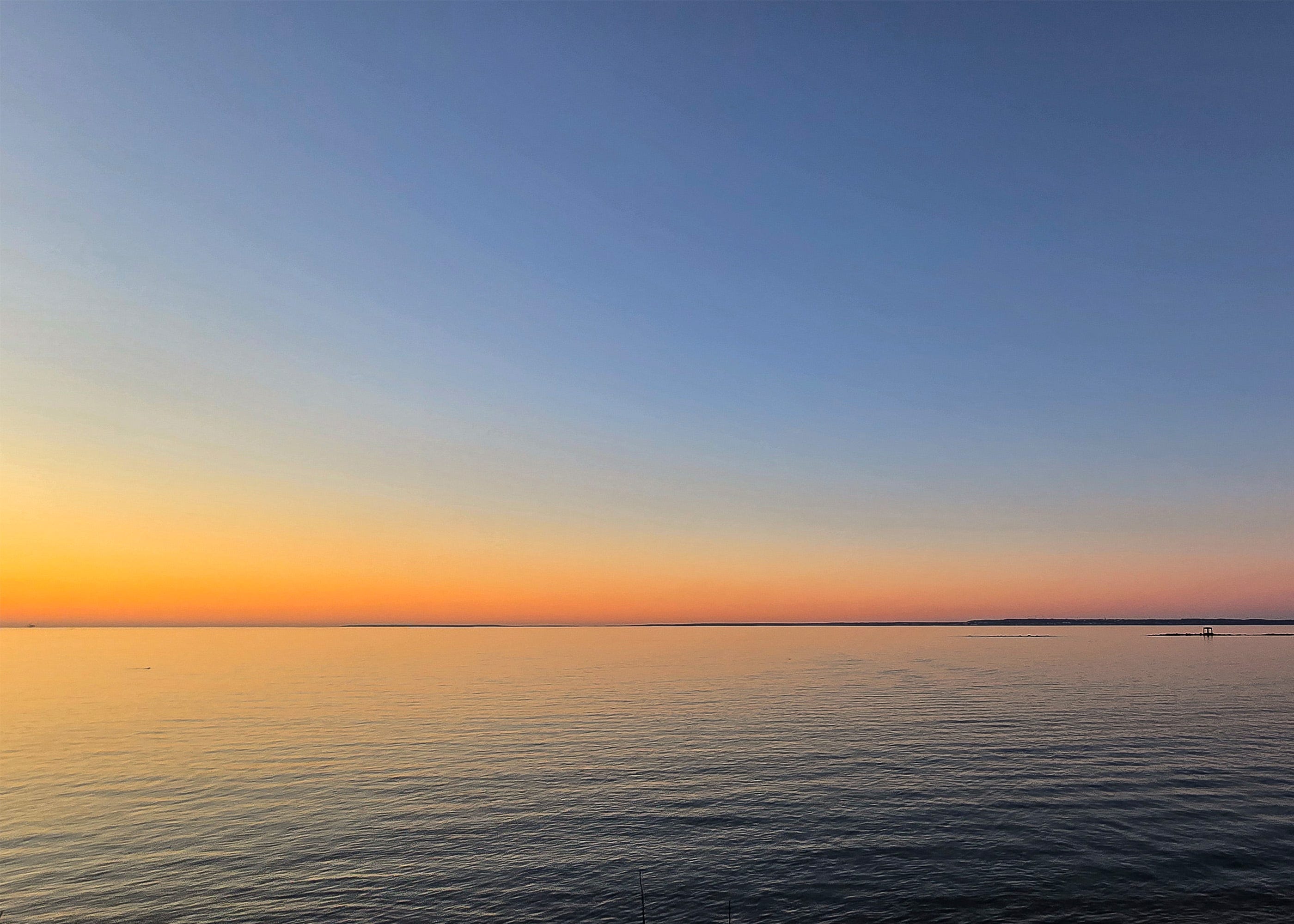
Sunday, June 21, 2024, 9:48 PM, Tallinn, we are approaching midsummer, when the nights in Tallinn are of an eternal blue
"I think I arrived in paradise," I replied to my late dad when he called me on my first trip to Tallinn. I had walked down to a small port, sat down in a restaurant for a light lunch (salad, meatballs if I remember correctly, and a glass of white), and looked at the sailing boats moving in the breeze and the small blonde girls playing in a sandbox. (more here). The restaurant was called Klaus, and is closed now, so I am writing this in May 2026 from KIOSK NO3 in Kopli.
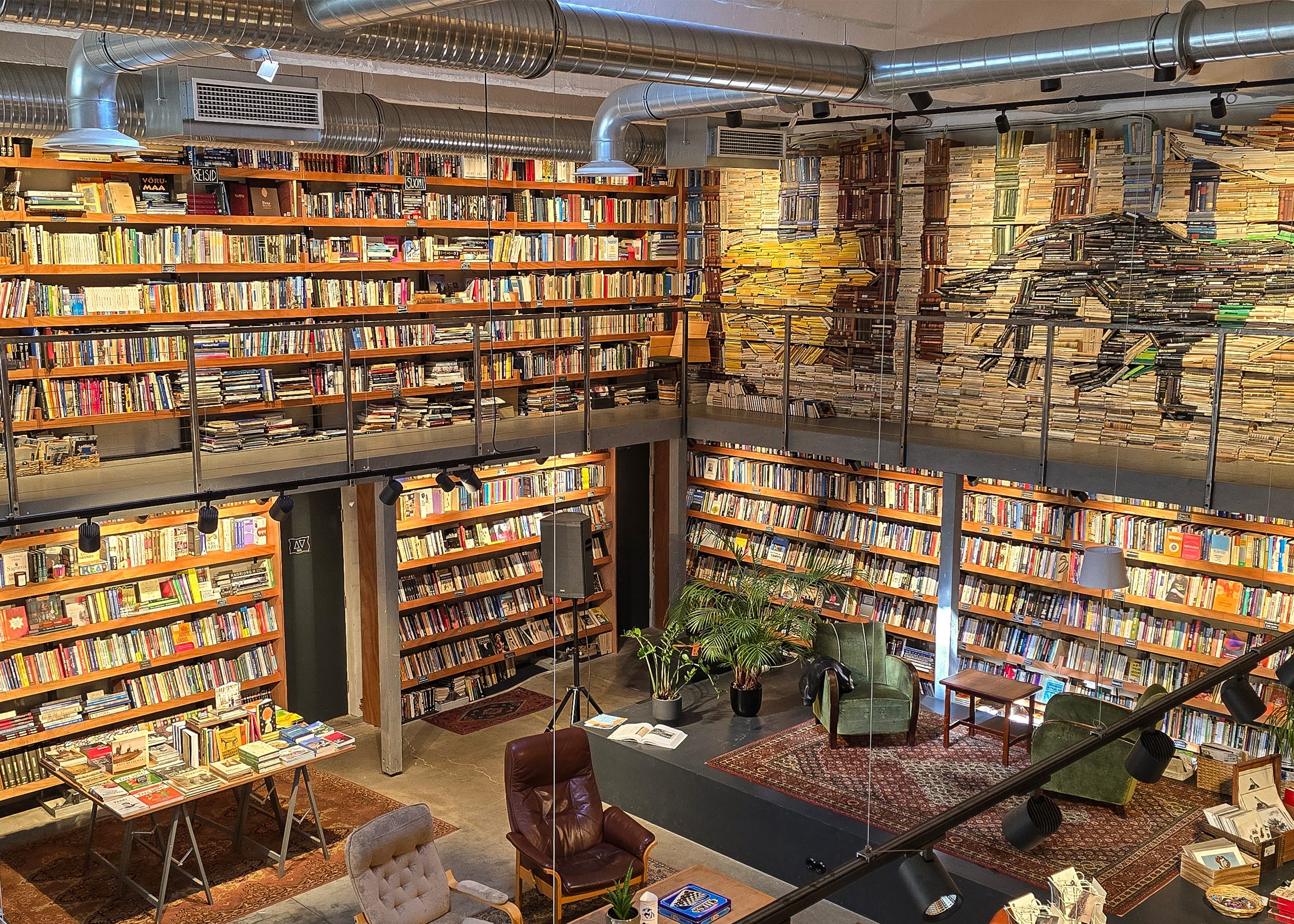
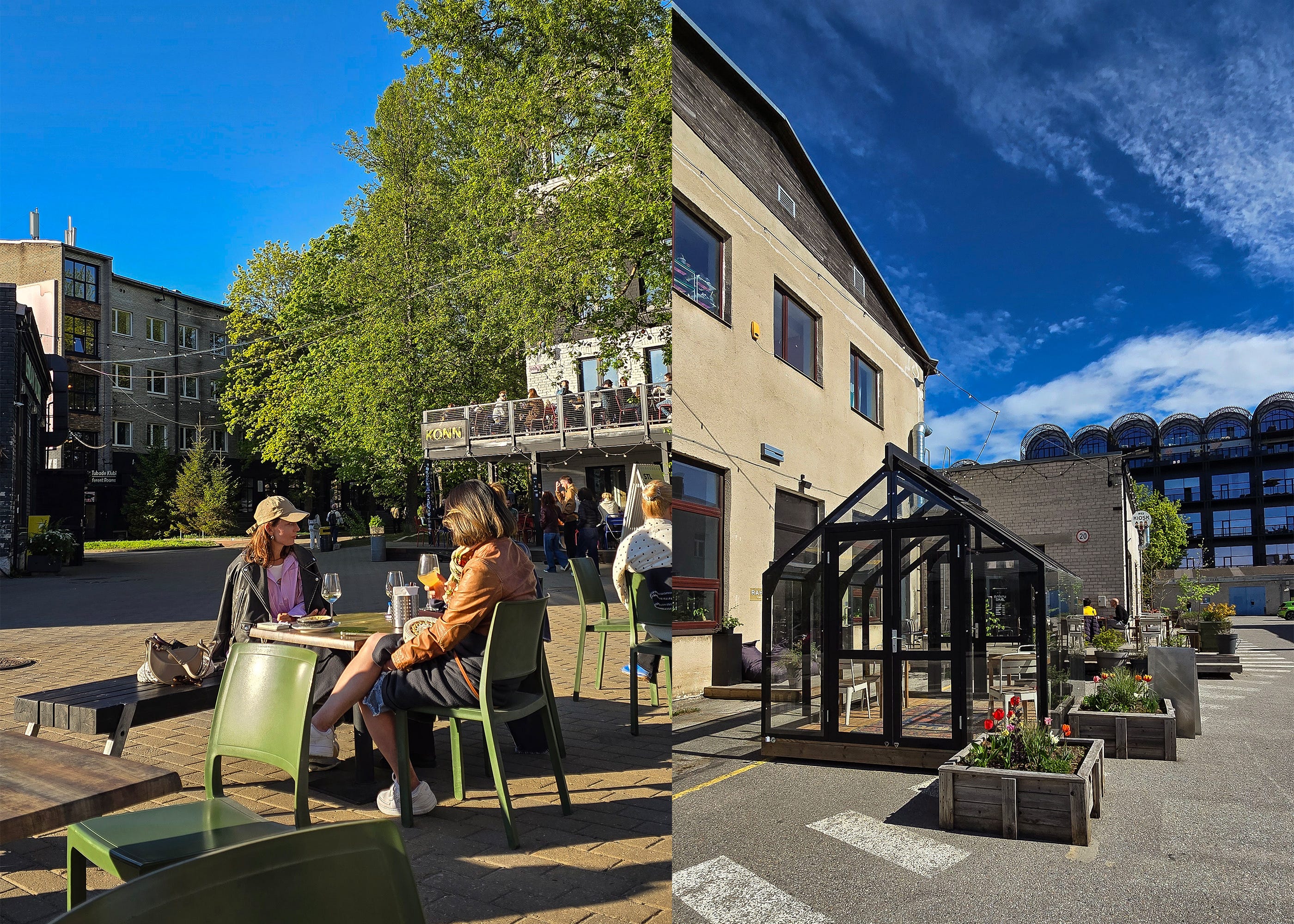
KIOSK NO3 in Kopli, this week’s home office in Tallinn
Tallinn, it must be said, is one of the most beautiful cities I know. Period. Two years ago, I met up with a friend from St. Petersburg, now living in Berlin. We were supposed to meet another friend — a Swiss entrepreneur and politician — who missed his flight in Helsinki. Tim had to leave the next day, and eventually the Swiss guy and I spent a few days in Tallinn together. One evening, after an excellent dinner of grilled fish, we went for drinks in a former industrial complex now full of bars, ateliers, and coffee shops. It was his first time in Estonia. Being interested in architecture and design, he immediately noticed the quality of the urban spaces. "I think this is one of the best examples of urban transformation I have ever seen," he said. I agreed. Tallinn is where city governments should send their urban planners to take notes. Lots of green spaces, careful use and transformation of industrial areas, the historic old town kept intact, and new quarters built with smaller-scale modern buildings by different architects in different styles. Tallinn is what a modern, liveable city should look like.
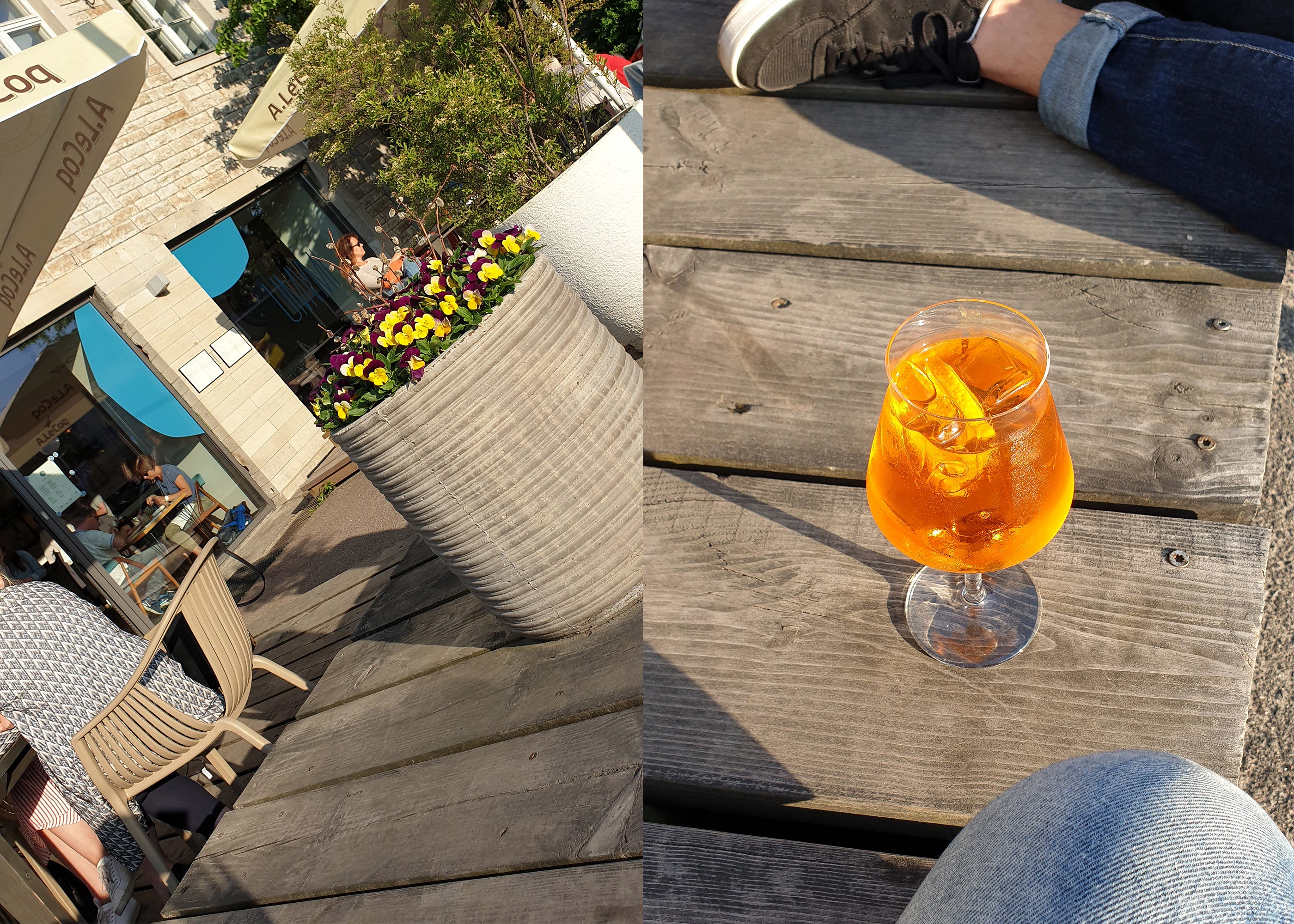
Having a drink with a friend @Klaus, now closed, 2019
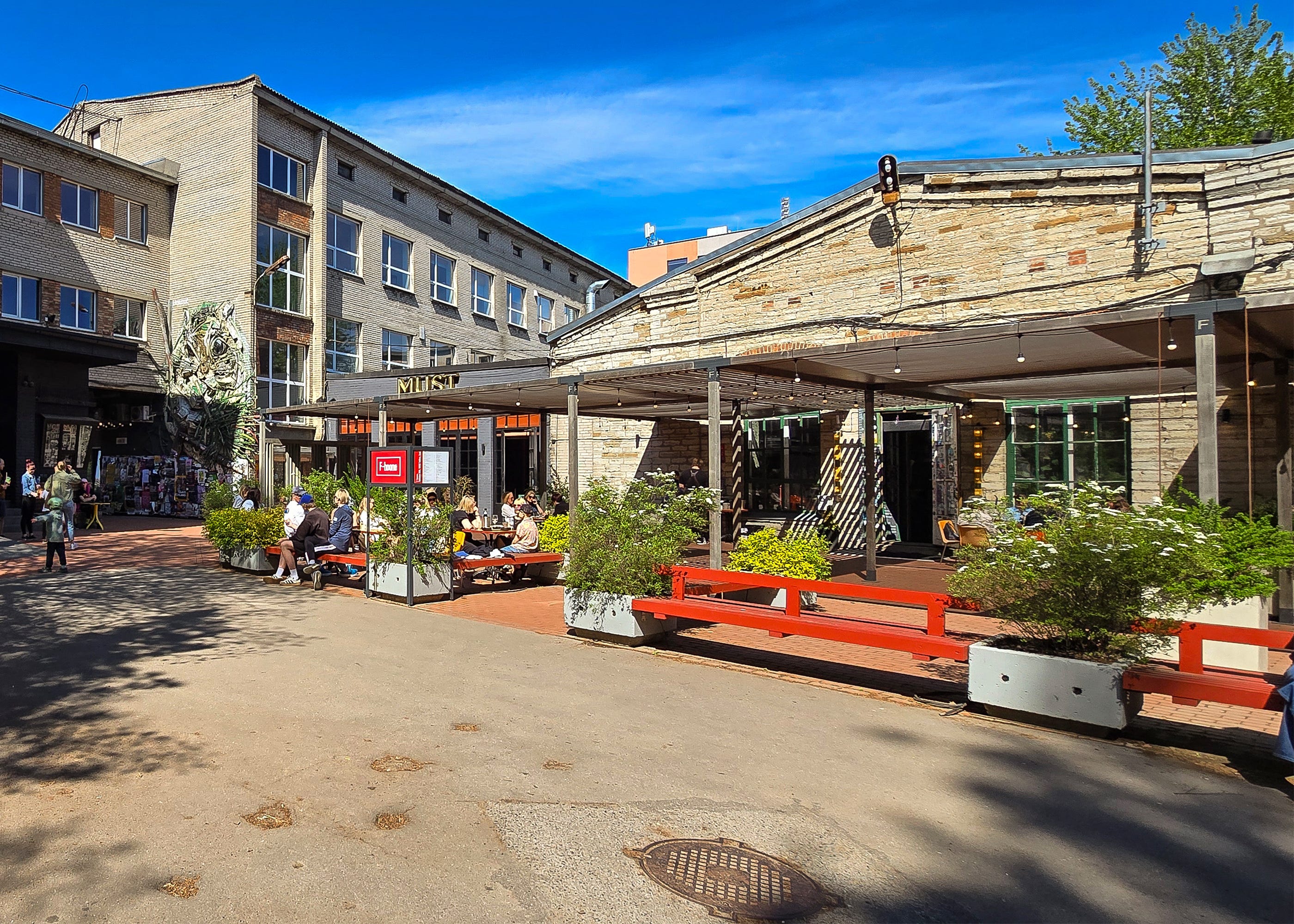
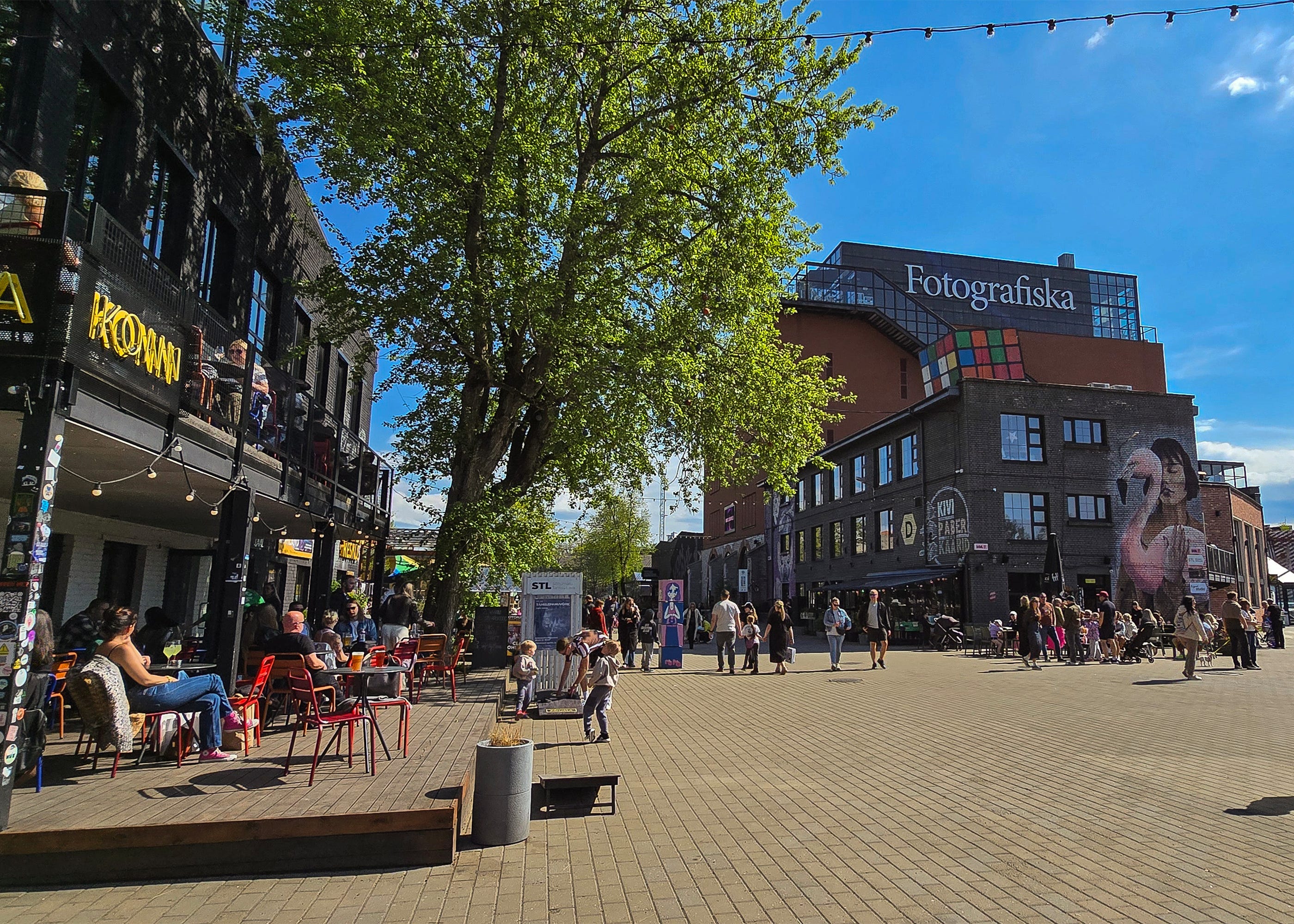
Telliskivi Creative City, one of the 3 or 4 re-imagined and transformed former industrial areas
As beautiful as the old town is — especially the main market square — the true gems are found in hidden courtyards, cobblestoned passageways, and winding staircases, particularly at night. Despite the touristy feel of the main streets, step off them and you are suddenly on your own, a bit like Venice once you leave the area around the Rialto and the Campanile, and I say that having spent considerable time in Venice in the 2000s, learning to navigate the city in maximum privacy even during high season. Which in Venice is almost always. The Rotermann quarter or Rotermanni Kvartal, adjacent to the old town to the east, forms a bridge between the yacht port and the historic centre. You'll find 19th-century brick factory buildings retrofitted with modern glass annexes. There are a couple of genuinely interesting buildings there for anyone who likes architecture, and it's a good place for coffee, you’ll find some really good coffee shops there. Further east, towards Pirita, lies Kadriorg with its Baroque and Art Nouveau character, good for a quiet date dinner or a long walk.
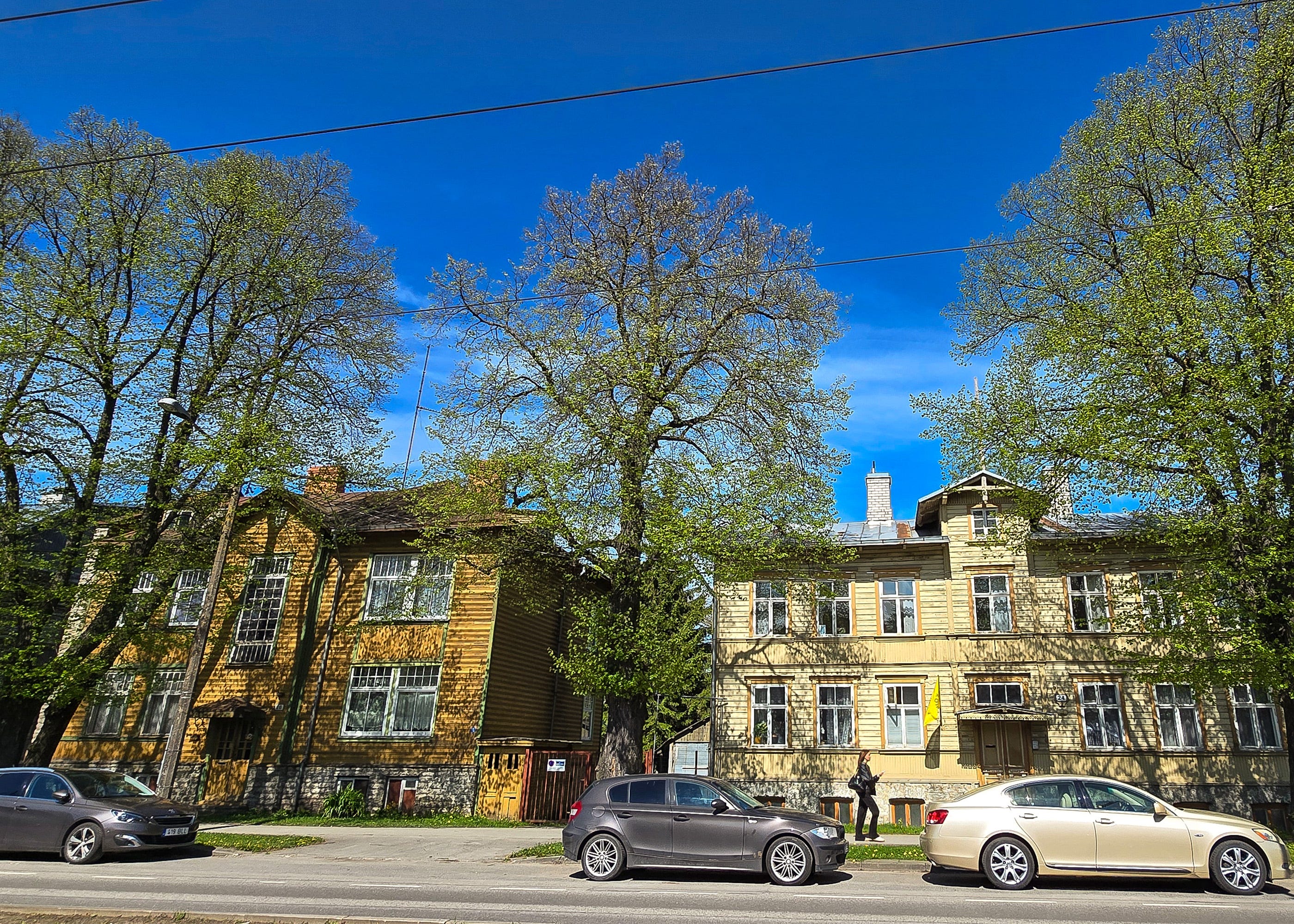
Once you leave the city center you will find traditional wooden houses almost everywhere
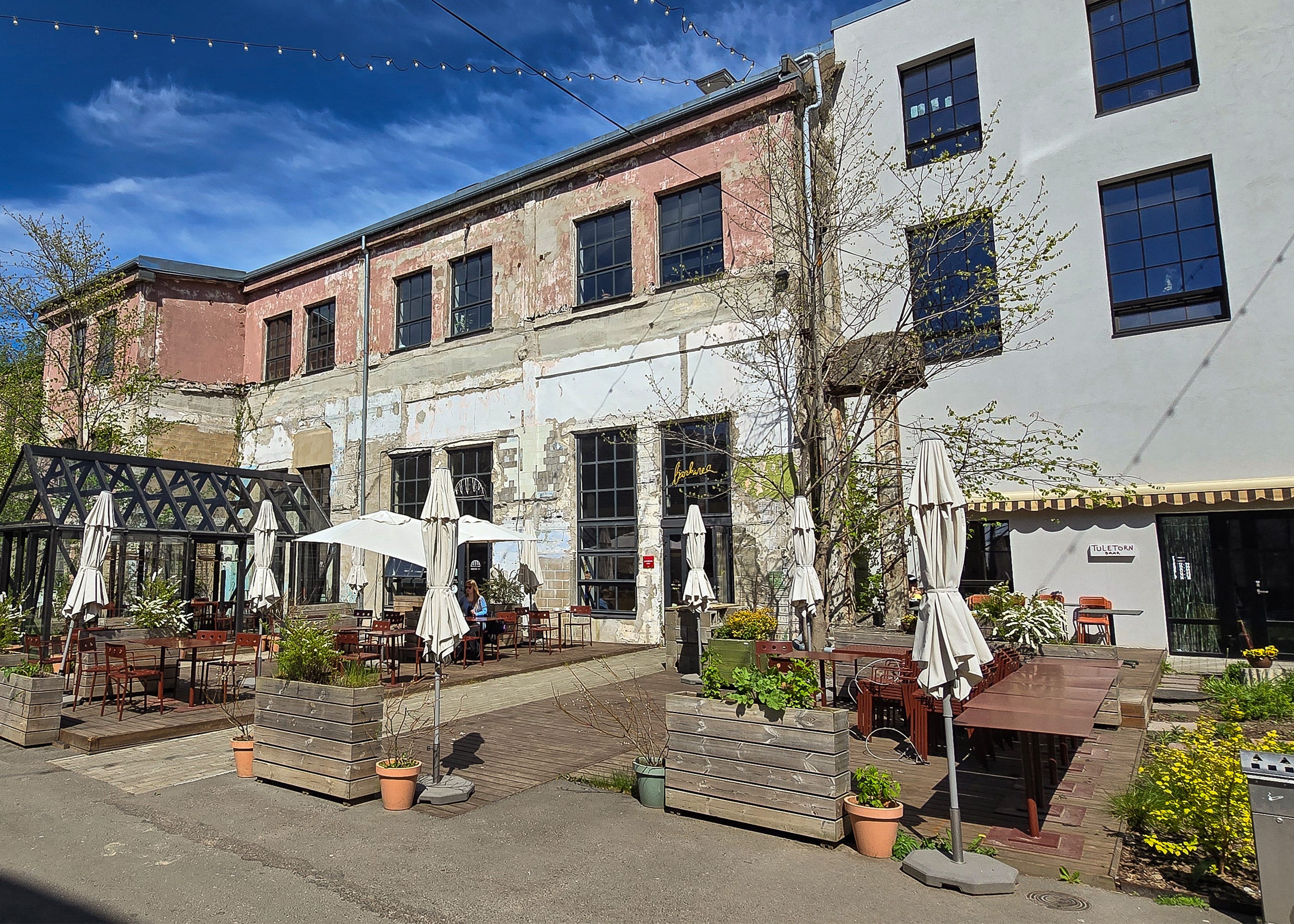
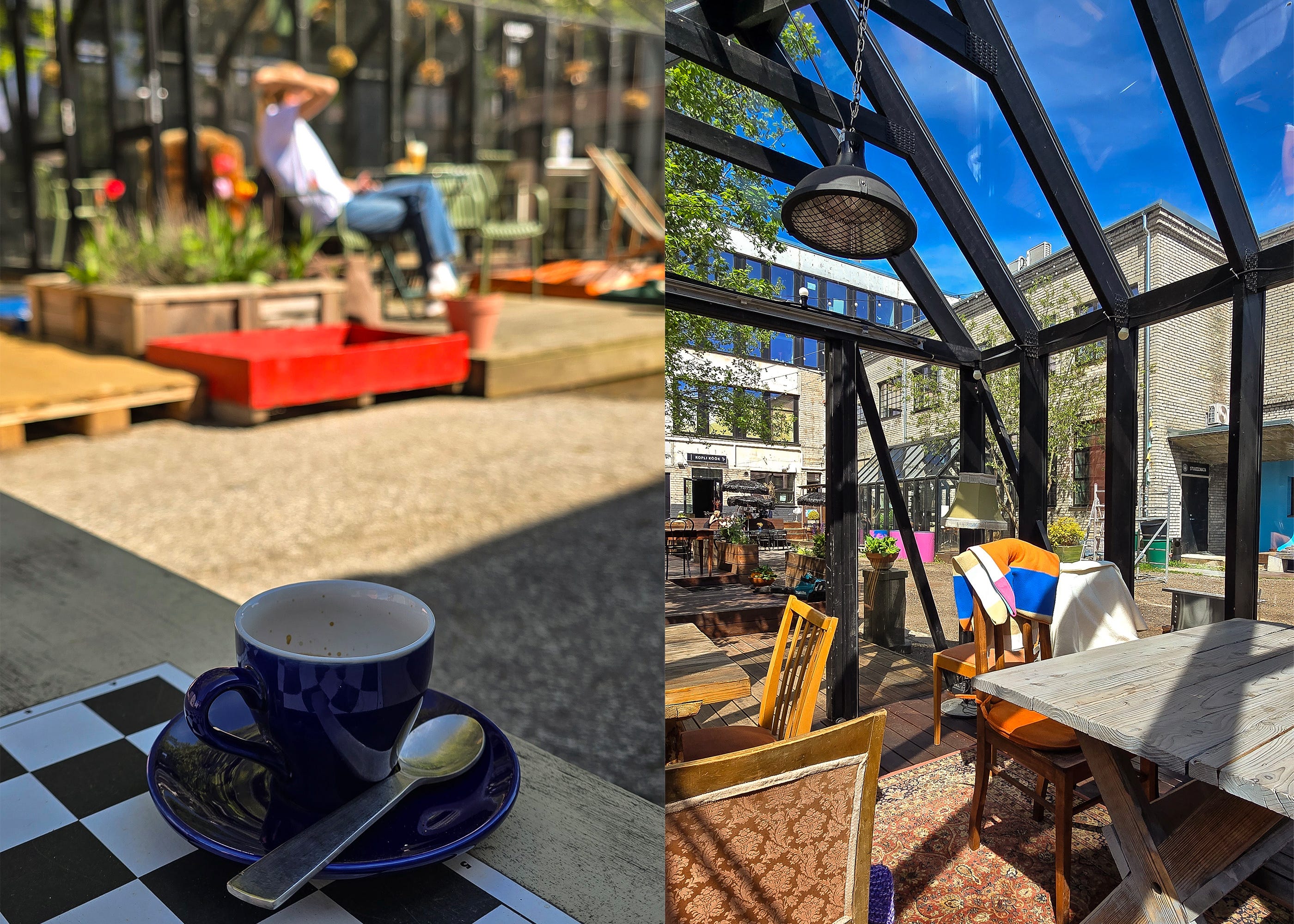
Kopli is one of Tallinn’s coolest areas, and not yet soaked in mass tourism
But the true uniqueness of Tallinn lies, in my eyes, elsewhere. If you watched Berlin Station — the espionage series from the late 2010s — you will recognize the train station, which is currently being rebuilt. More on that shortly. Behind the station is where the Tallinn of the Tallinners begins — where tourists drop to below 10%, if that. The Telliskivi Loomelinnak, or Telliskivi Creative City, is a former factory complex now full of art galleries, restaurants, and bars. On warm summer evenings, this is where you should be, not in the old town. Or deeper in Kalamaja and Pelguranna, where Tallinn suddenly looks like time stood still and you are surrounded by old wooden houses on tree-lined streets. There are some excellent bars and coffee shops, and in the west, overlooking the bay, a beach bar where you can sit with a drink and stare at waves that are either blue or grey depending on the weather. I am not blaming you if you see the old town and the Rotermanni Kvartal first — I did the same in 2014, on my first visit — but the true Baltic beauty and tranquil hipness are found elsewhere.
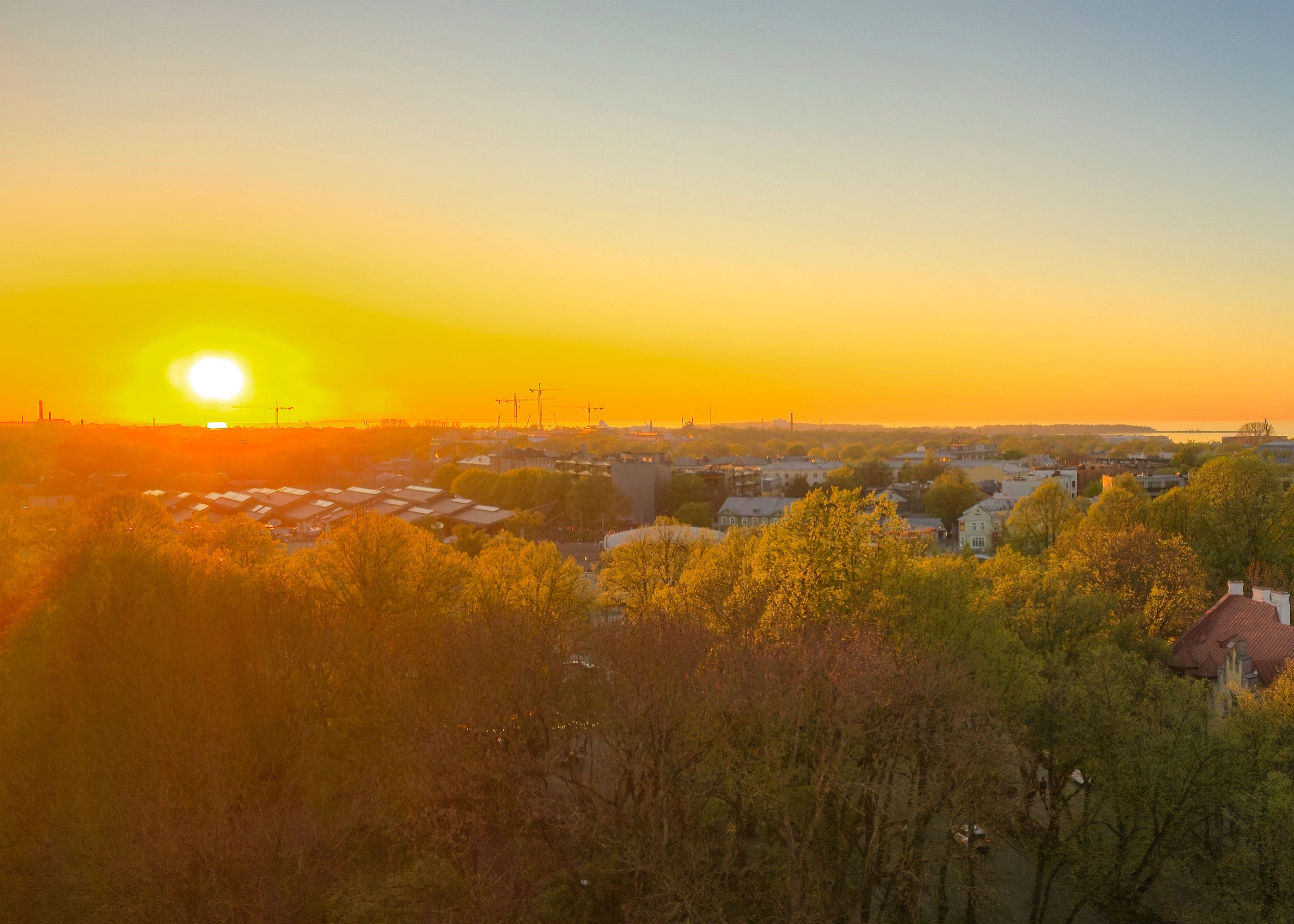
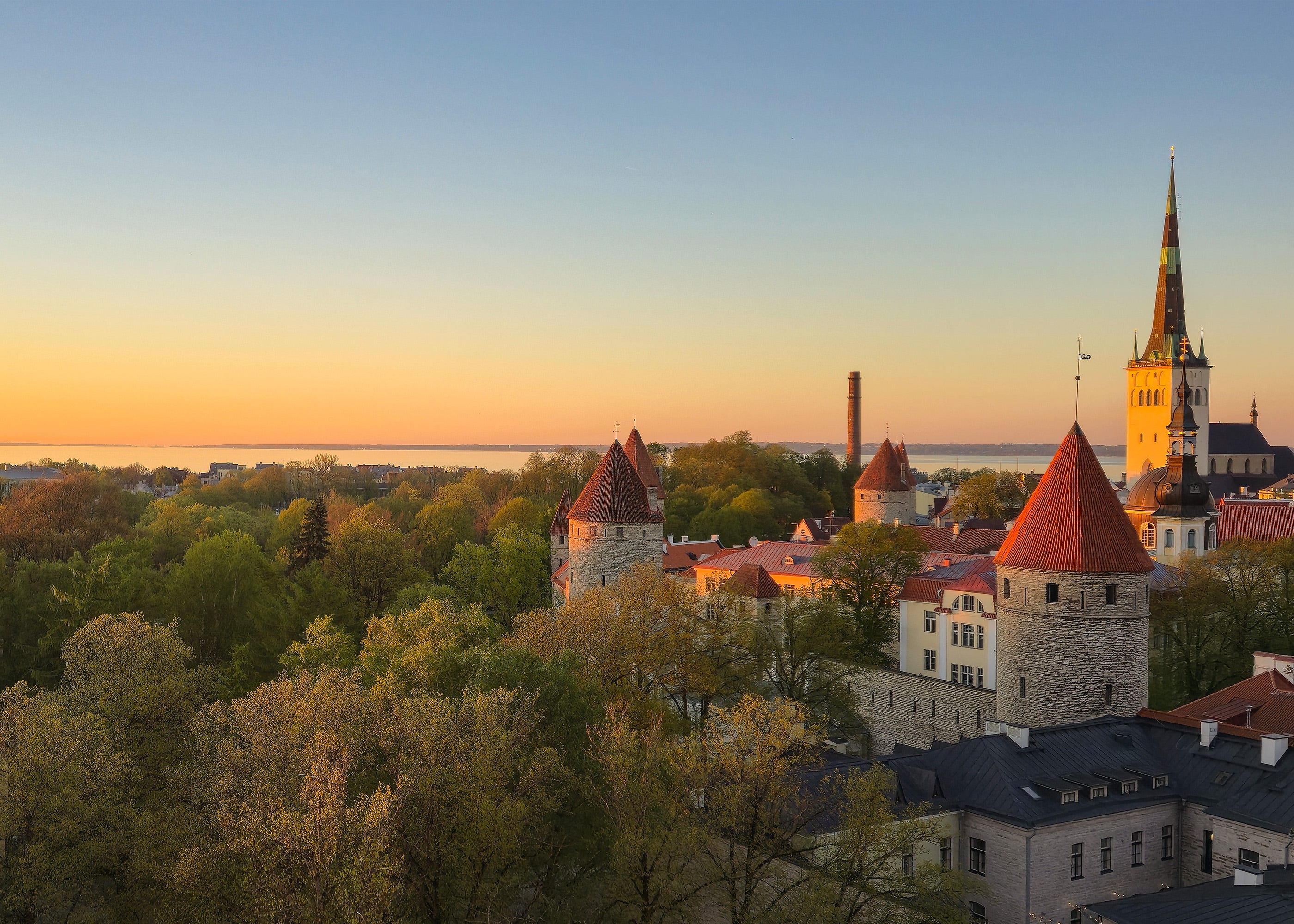
The view everyone comes for.
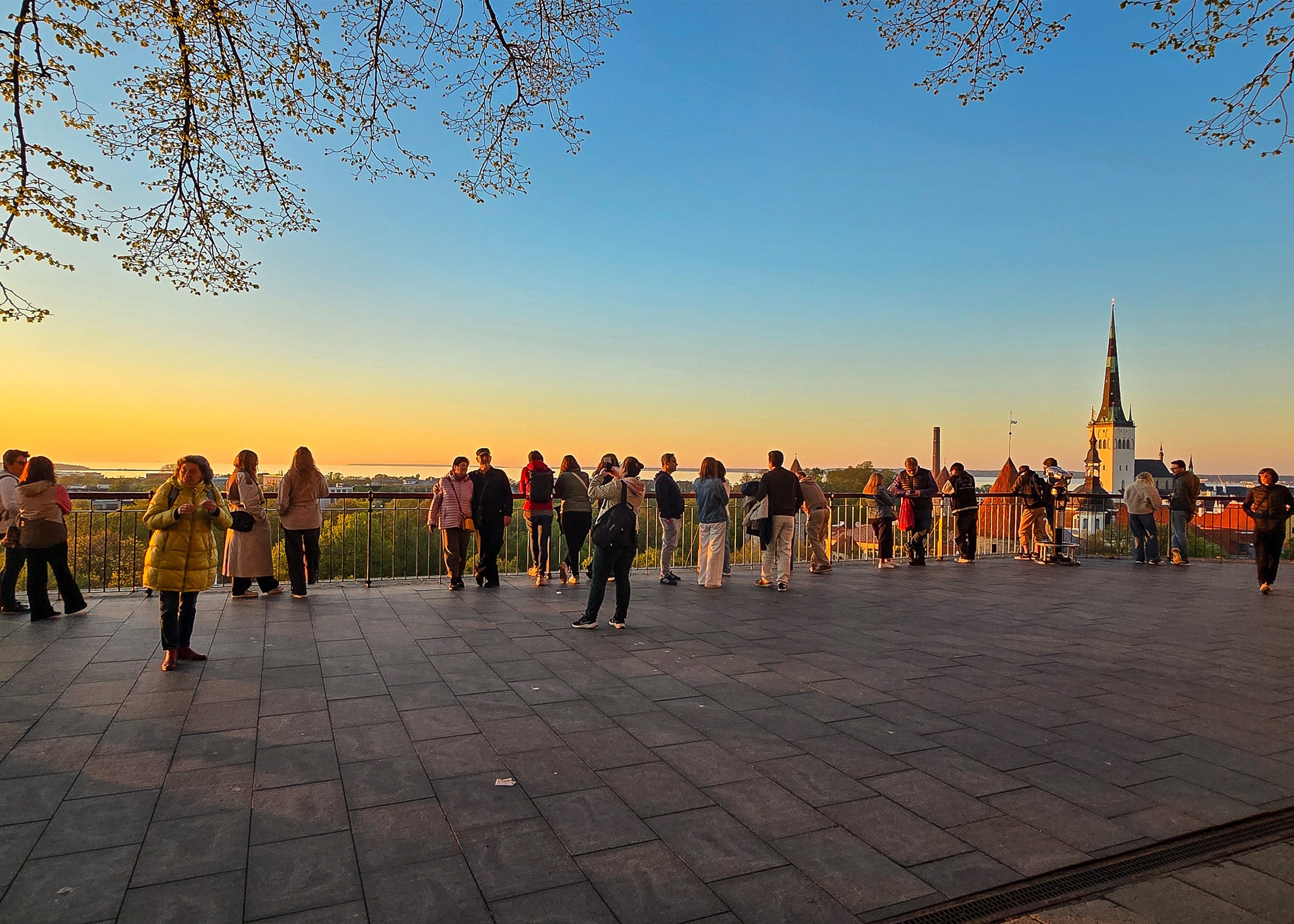
The crowd.
That said, over-tourism has an upside worth acknowledging. Tallinn also attracts travellers with slightly deeper pockets, and this means the city offers — for its modest size — a surprisingly large number of excellent restaurants, including a handful of serious fine-dining places. Some of the best are a bit out of the center. Stay tuned for an upcoming piece on how to spend your time here properly.
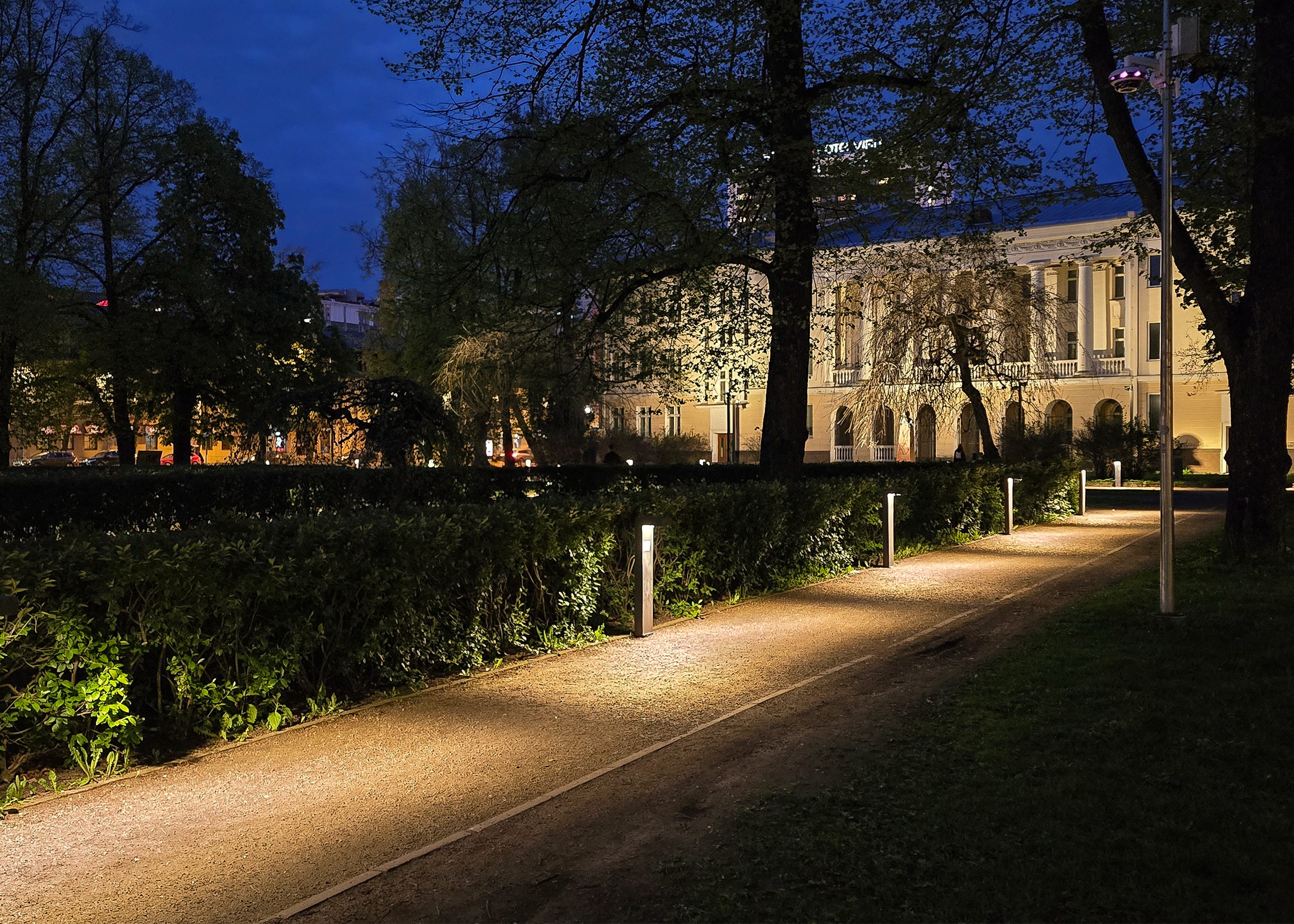
Despite the many tourists in the old town, much of Tallinn retains a certain mystery
The Russia Situation
My earlier mention of Berlin Station and espionage was not accidental. Tallinn was always one of the places in Europe where Russia was never far — and to this day, espionage activity remains high. If you do some digging you will find plenty of stories and places. In a way, the Russia situation is, with some irony, Estonia’s “only small problem.” Or a rather large one.
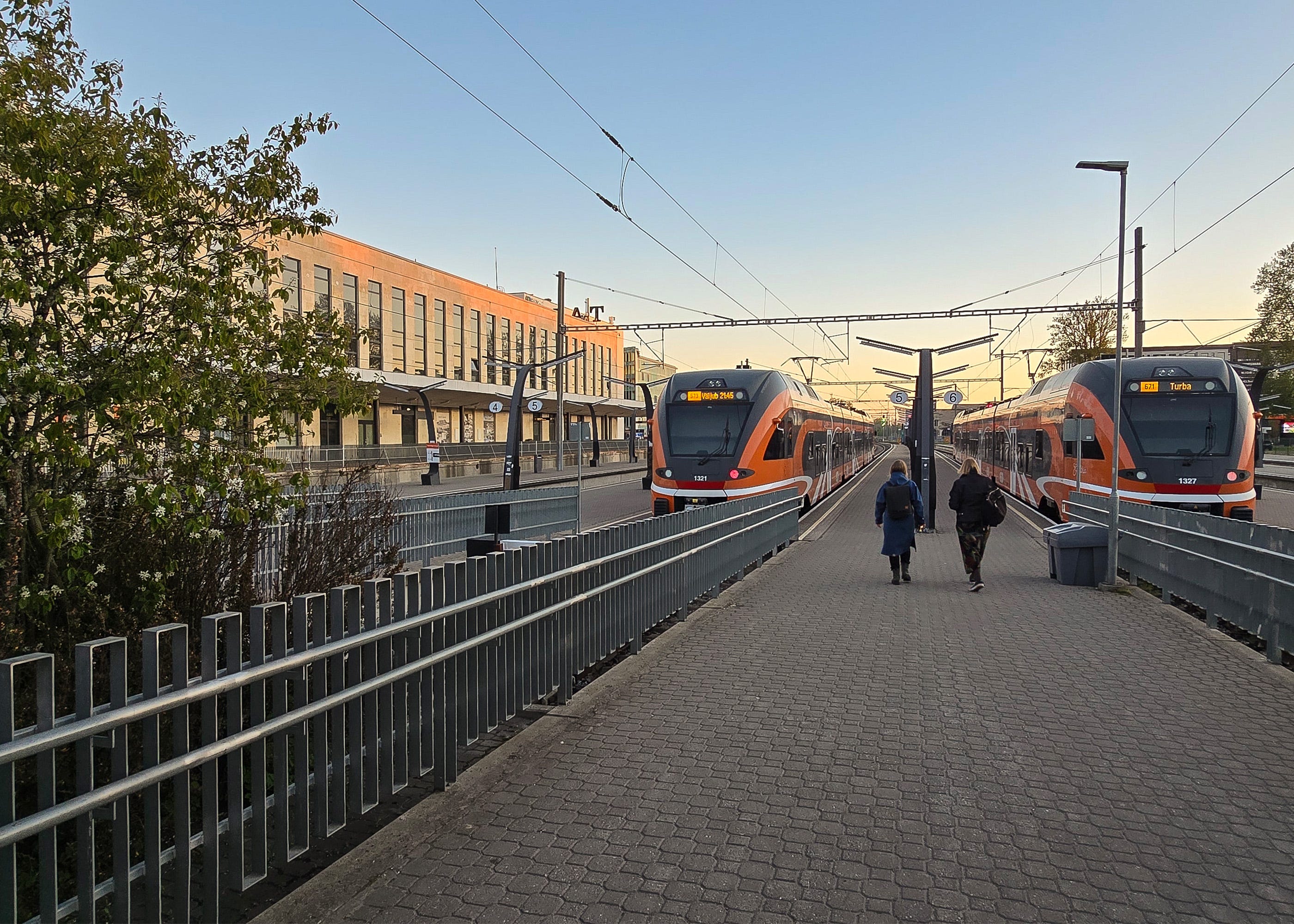
Balti Jaam, Tallinn’s main train station - in fiction (Berlin Station) and in real life a hub for espionage and other shady activities
It is popular for Russians to joke about the "funny dialect" Estonians speak when they spoke Russian. Or rather when they had to speak Russian — because today's Estonians would rather smear their behinds with honey and sit on an anthill than speak Russian. The Russian tendency to belittle neighbours — Belarusians, Estonians, Latvians, Poles, Lithuanians, and obviously Ukrainians — is a consistent pattern. Funny accent, small country, and so on. The truth is that even in Belarus the standard of living is higher than in Russia, and Kyiv, compared to Moscow or St. Petersburg, is a shining light of freedom, even under war conditions.
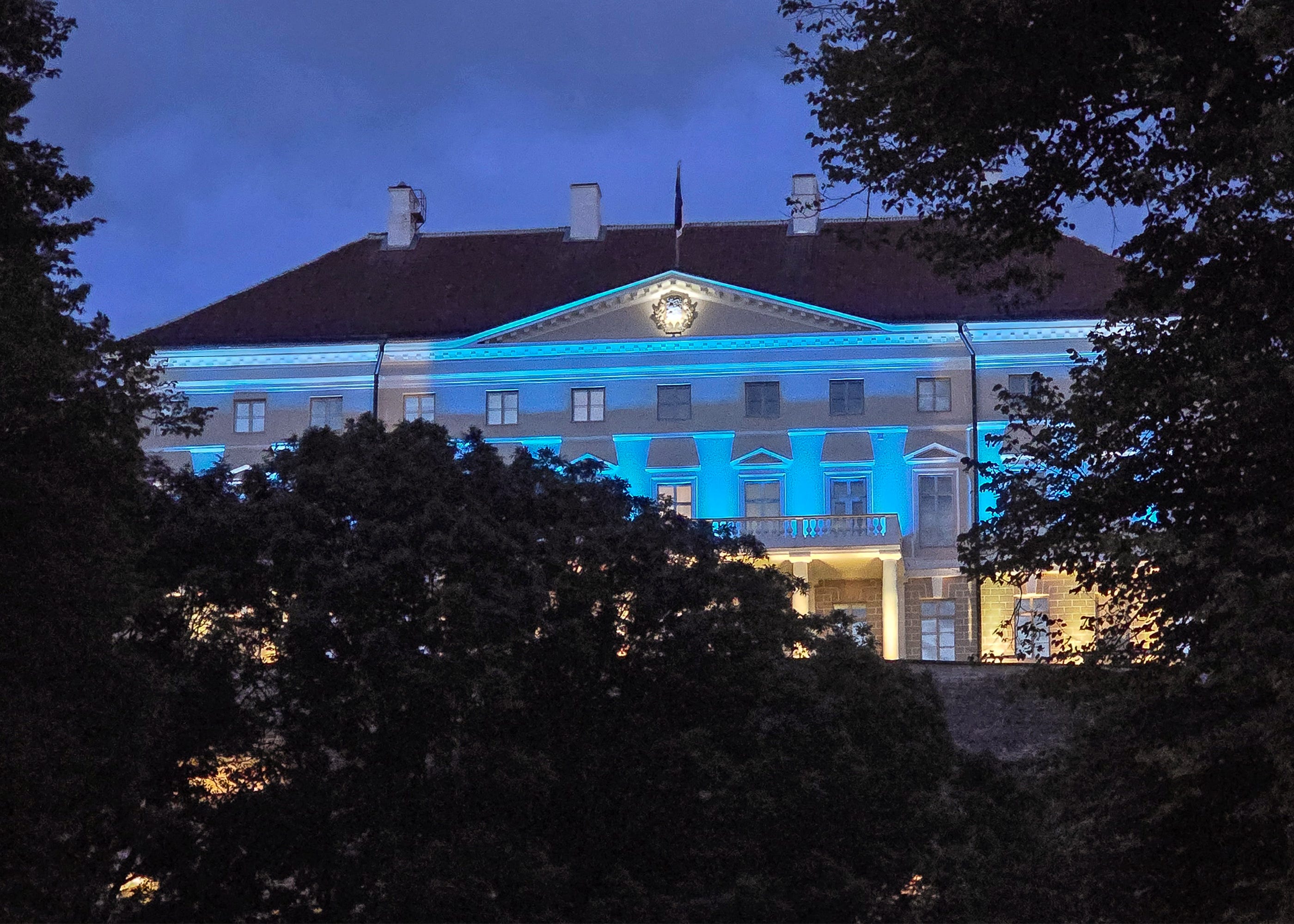
Stenbocki Maja illuminated in Ukrainian colors, leaving no doubts on where Estonia stands
A couple of years ago I was invited by a local dignitary to dinner across the bay. We watched the sun set over Pirita Beach, Tallinn's skyline glowing in the distance, kite surfers gliding across the water. Stunning. I took a photo. But even there, a certain segmentation is palpable. Russia tried to Russify Estonia through brainwashing, deportation, and killing — replacing the local population with native Russians. Which is why around 25% of Estonia's population is of Russian origin today. They are not really Russian anymore — the benefits of living in a modern EU country are too significant — but they do not fully feel Estonian either.
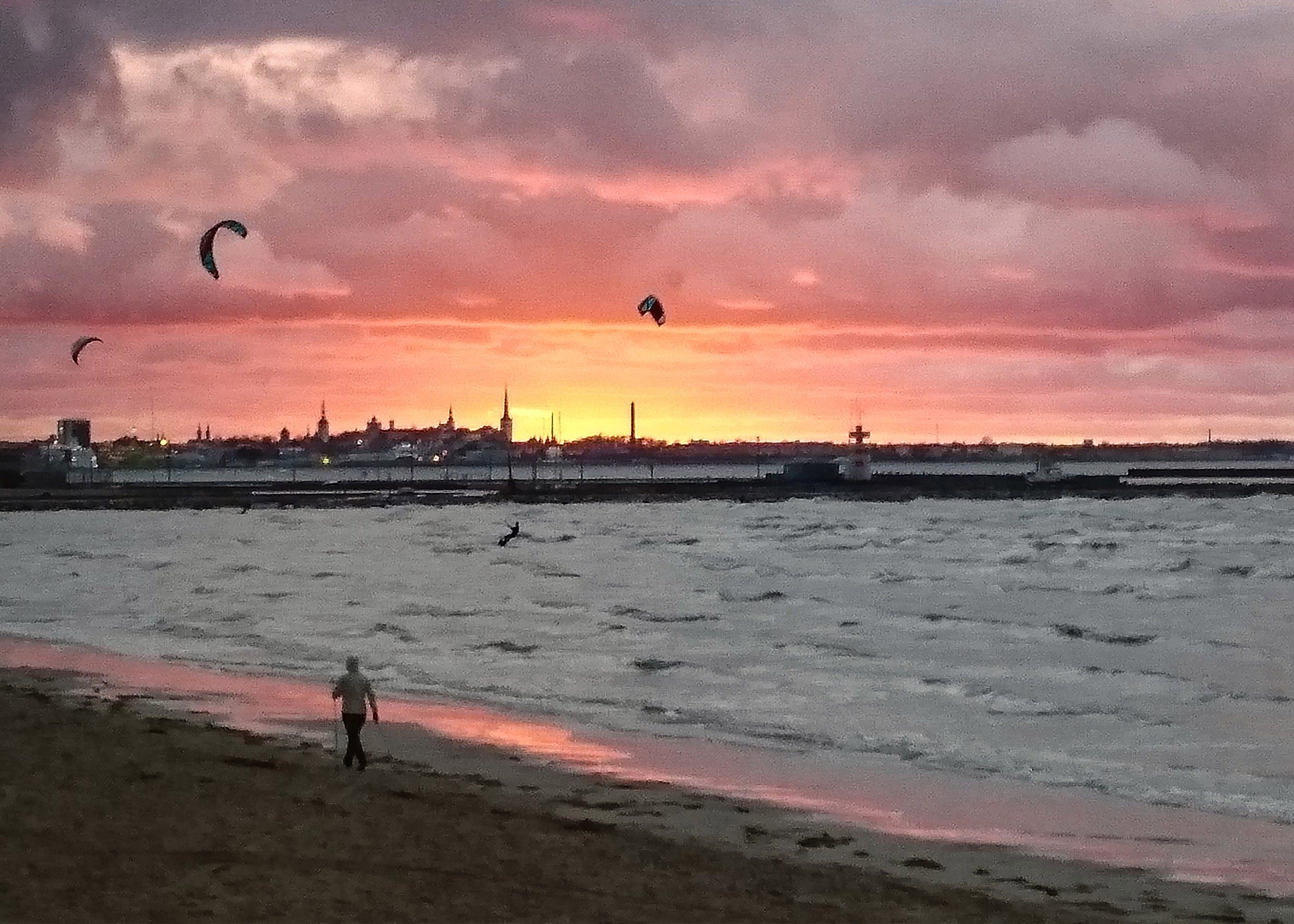
Wednesday, November 11, 2015, 4:03 PM, Pirita Beach
Before Russia's full-scale invasion of Ukraine, it was relatively easy for Russian-speaking Estonians to hold both identities simultaneously. But deporting children and shooting civilians in the head forces most people to take a side — in Europe at least, where the evidence is visible and the responsibility cannot be avoided. The result is a rough division: around one third of Russian-origin Estonians have moved closer to Estonia, one third remain neutral — whatever that means in practice — and the remaining third are pro-Russia, which raises the obvious question of why they remain in Estonia. That is another story. The de-Russification of Estonia is a process that will take another twenty or thirty years, and may never fully conclude. The scars are too deep.
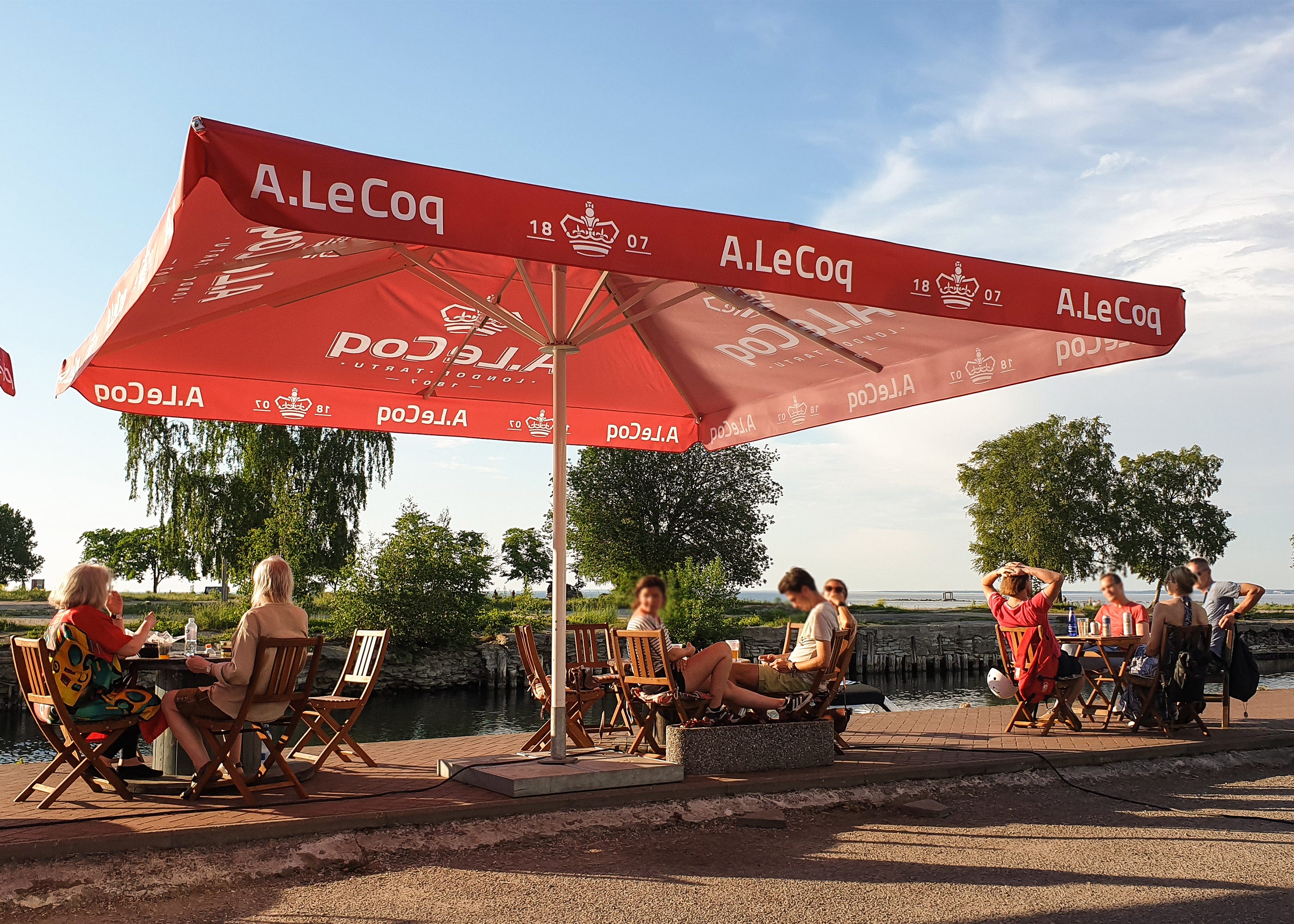
Saturday, June 8, 2019, 7:44 PM, Tallinn feels the most Scandinavian of all Eastern Europe
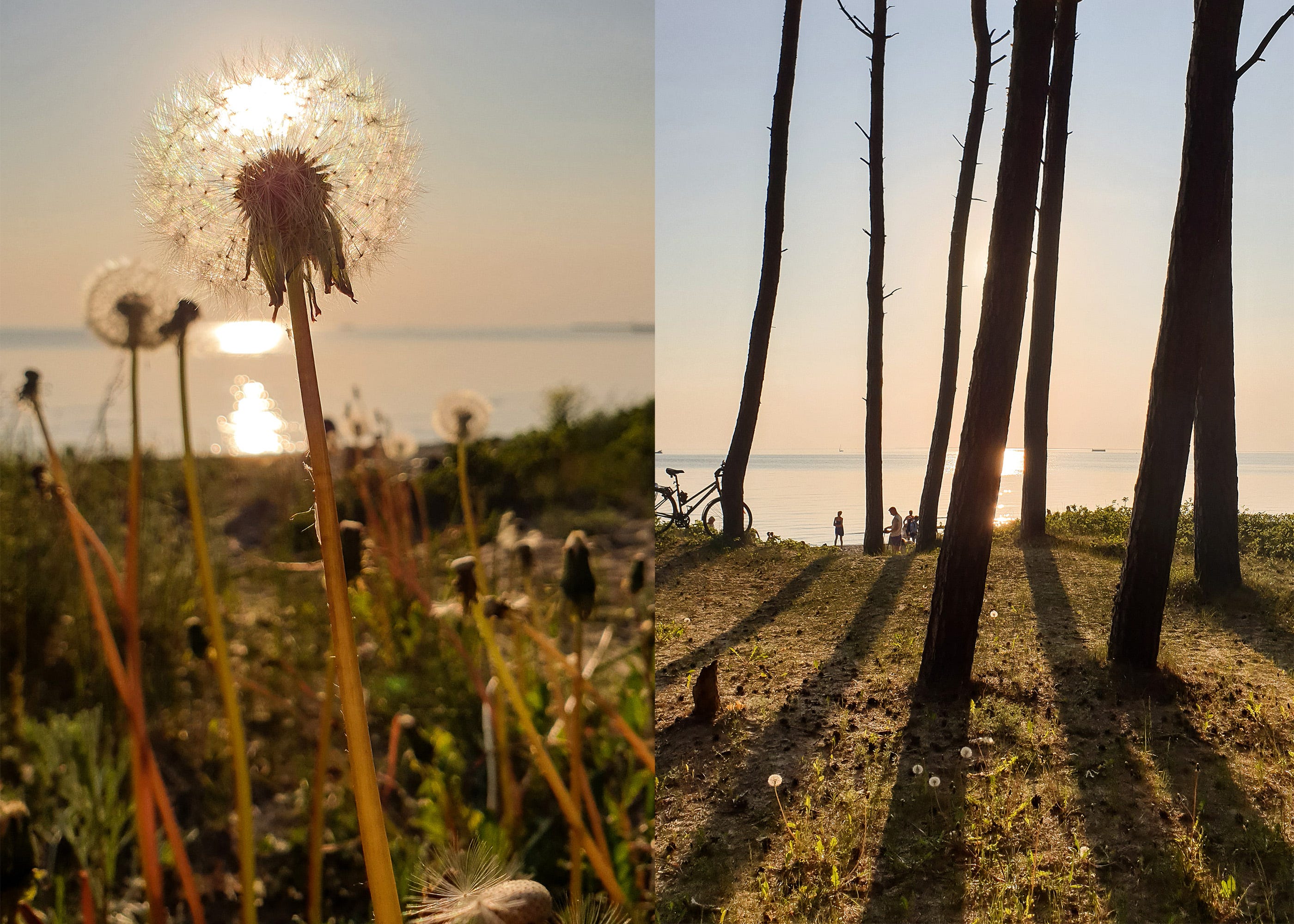
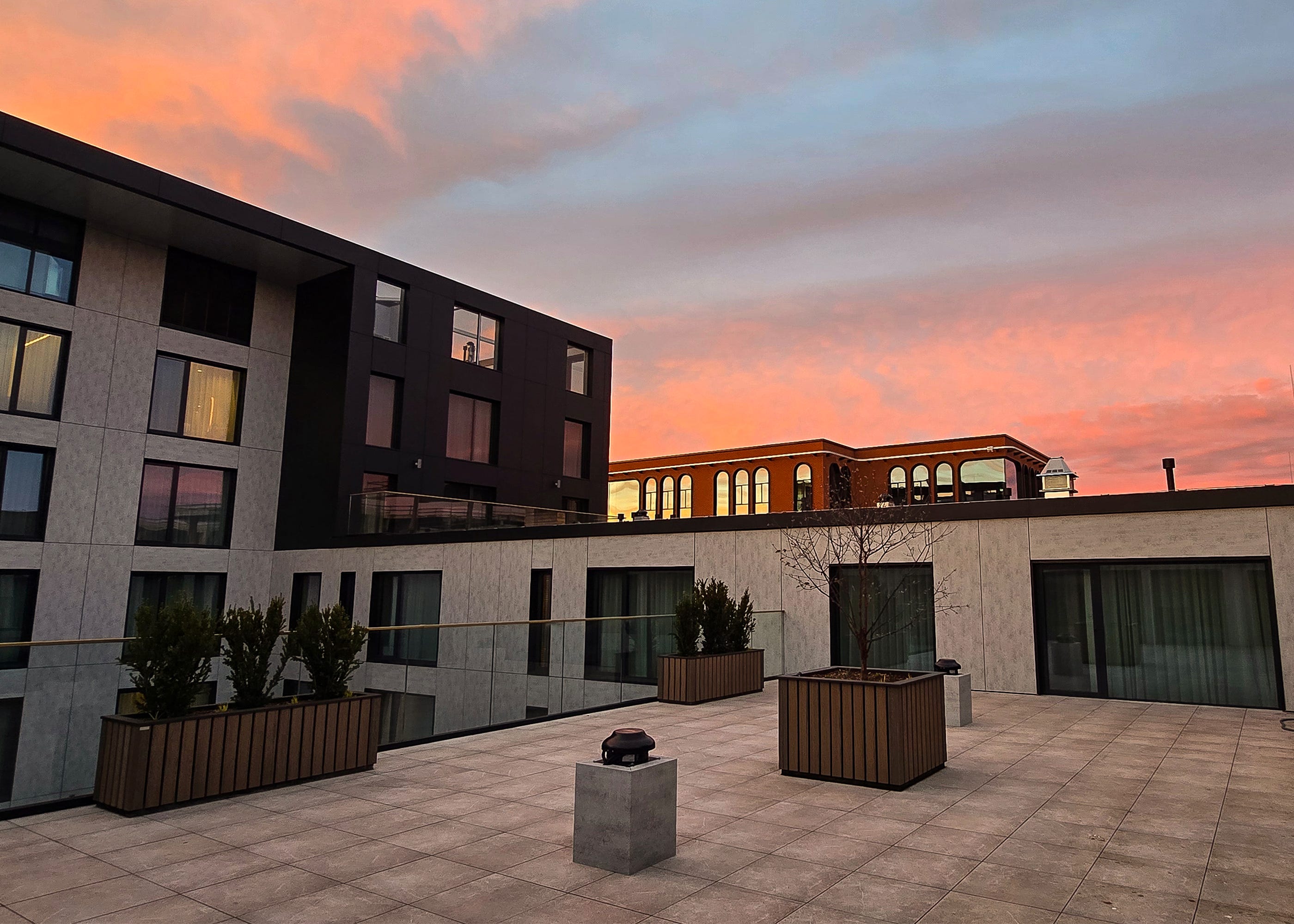
Sunday, May 17, 2026, 10:41 PM, during summer the sunset last for many hours deep into the night
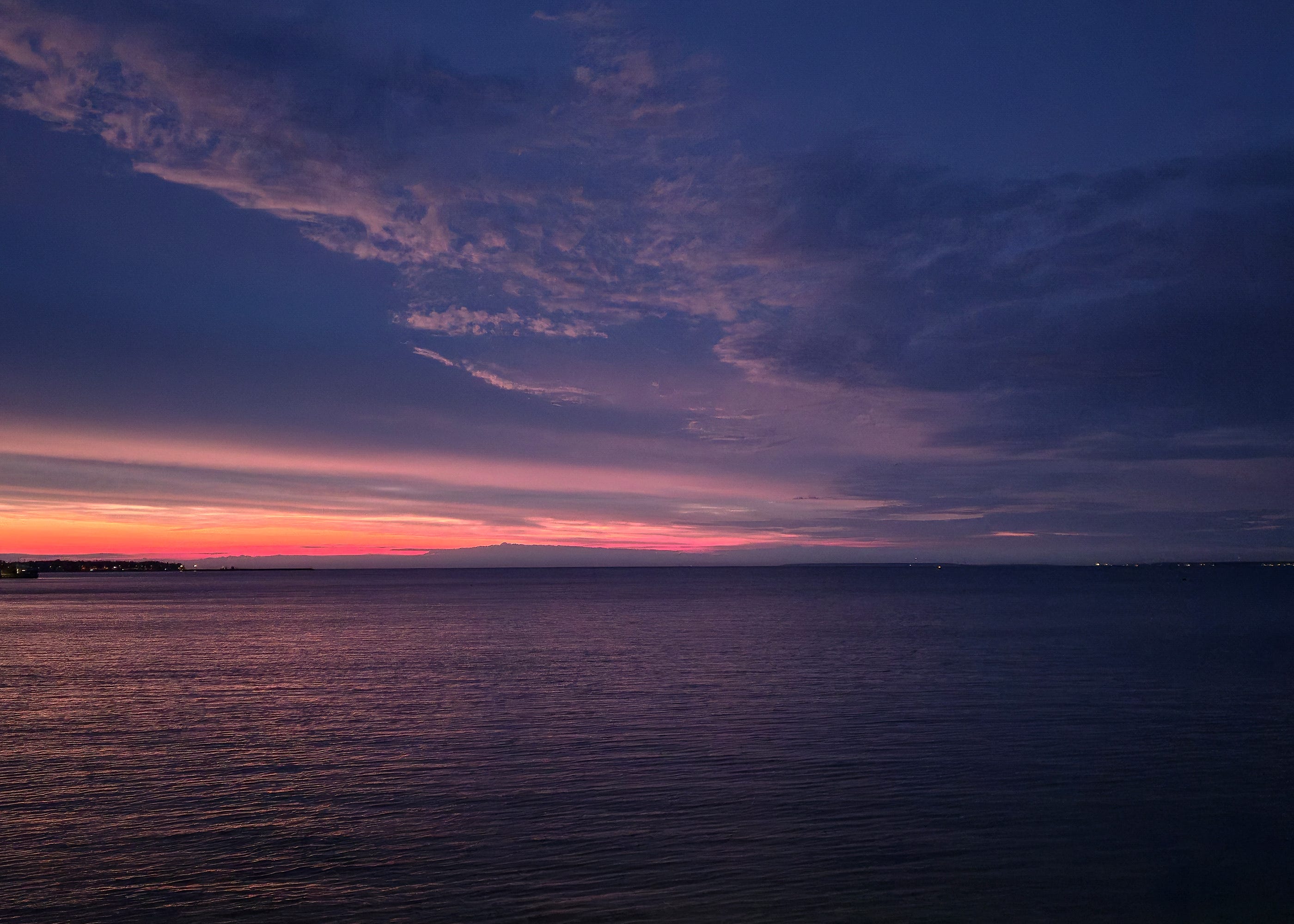
The Baltic Sea, going towards midnight in late May 2026.
Scandinavia
Estonia is the most Scandinavian country in Eastern Europe. It feels almost Finnish — which makes sense, given that Helsinki is thirty minutes by plane and two hours by the fast ferry. You can leave Tallinn in the morning, cross the bay, have lunch at the excellent brasserie of the Kämp Hotel in Helsinki, and be back in Tallinn by evening. The Estonian language is related to Finnish and to my ears almost indistinguishable from it. Things are clean and organised, and in summer there is a distinct lightness in the air — literally. It does not get dark at all. People walk around at two or three in the morning in the old town, coming back from going out or heading out, and everything is illuminated by a deep blue sky that turns the whole night into an extended blue hour. Walking through Tallinn at midsummer night, with the buildings bathed in that rich indigo light, is an experience that probably deserves its own piece.
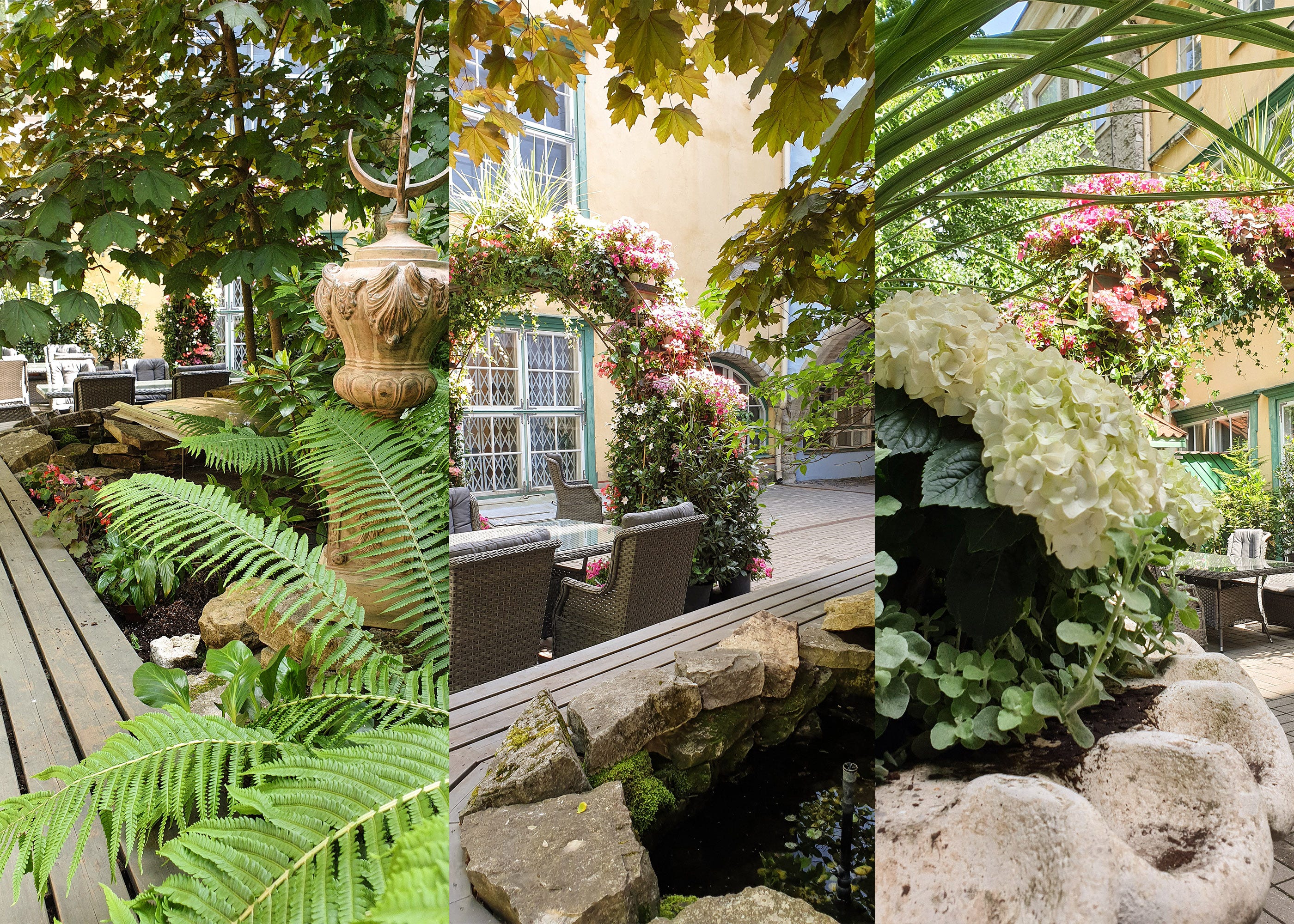
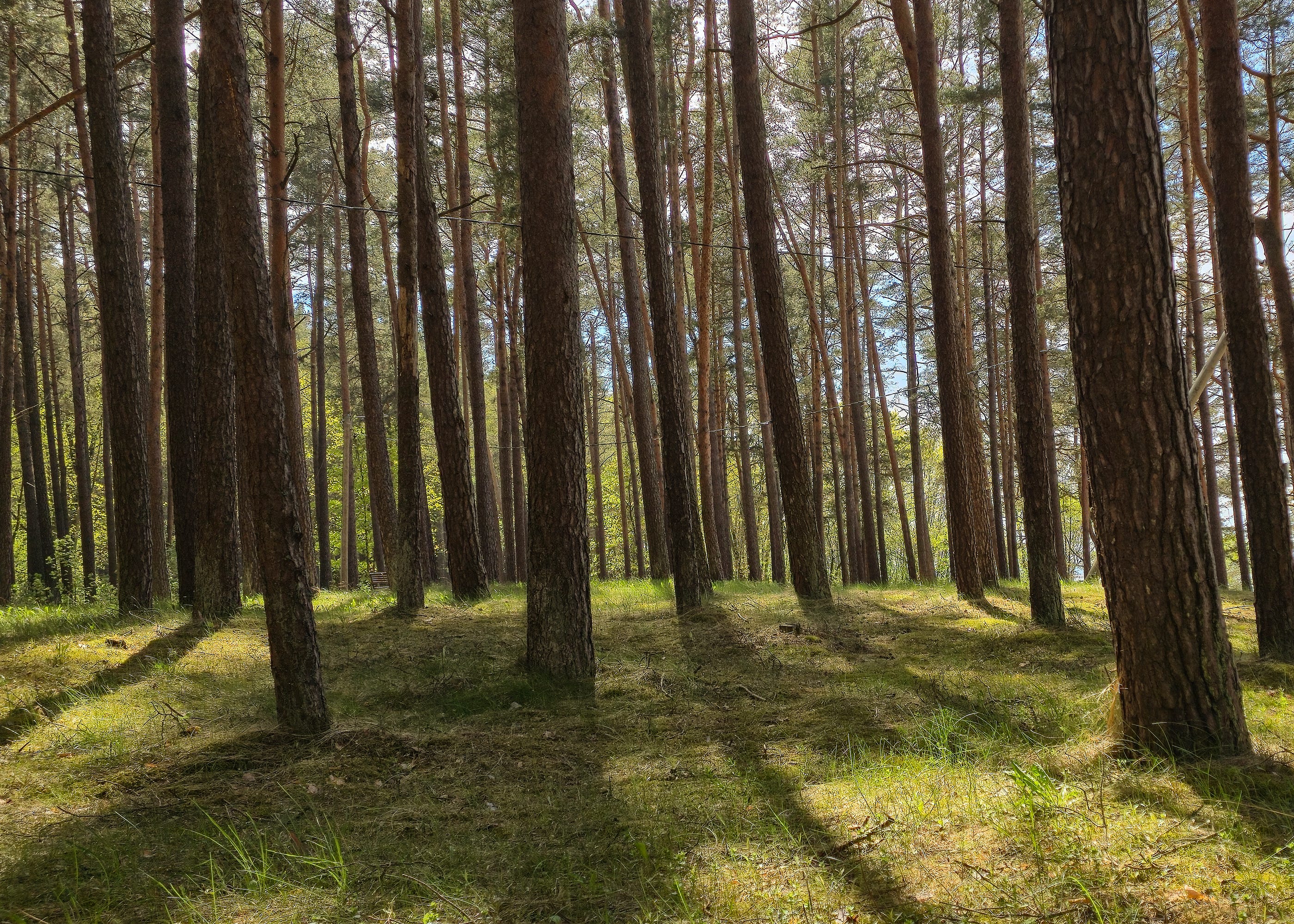
The summer garden of the “Stenhus” restaurant, and Scots pines near the beach, Pirita.
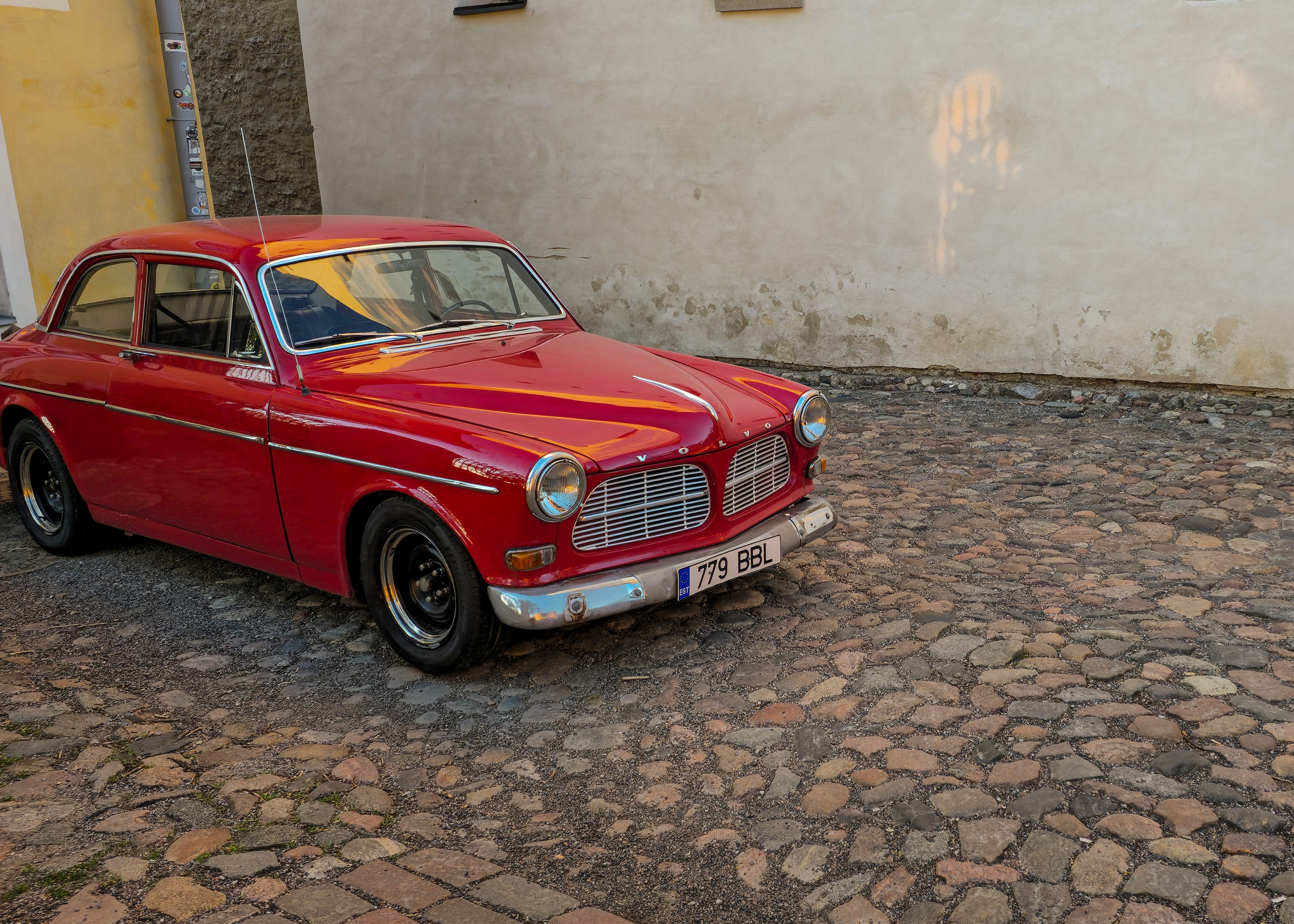
A Volvo “Amazon” in the old town.
Going West
The Baltic countries — and this is genuinely funny, even though the reasons for it are not funny at all — look to the West and in many respects feel more Western European than Western Europe itself. The streets are cleaner. The digital infrastructure is more advanced. The civic organisation is tighter. Estonia’s obsession with technology is well documented — it is the birthplace of Skype, and the Estonian government is arguably the most digitally sophisticated in the world. Everything is digital and everyone speaks English.
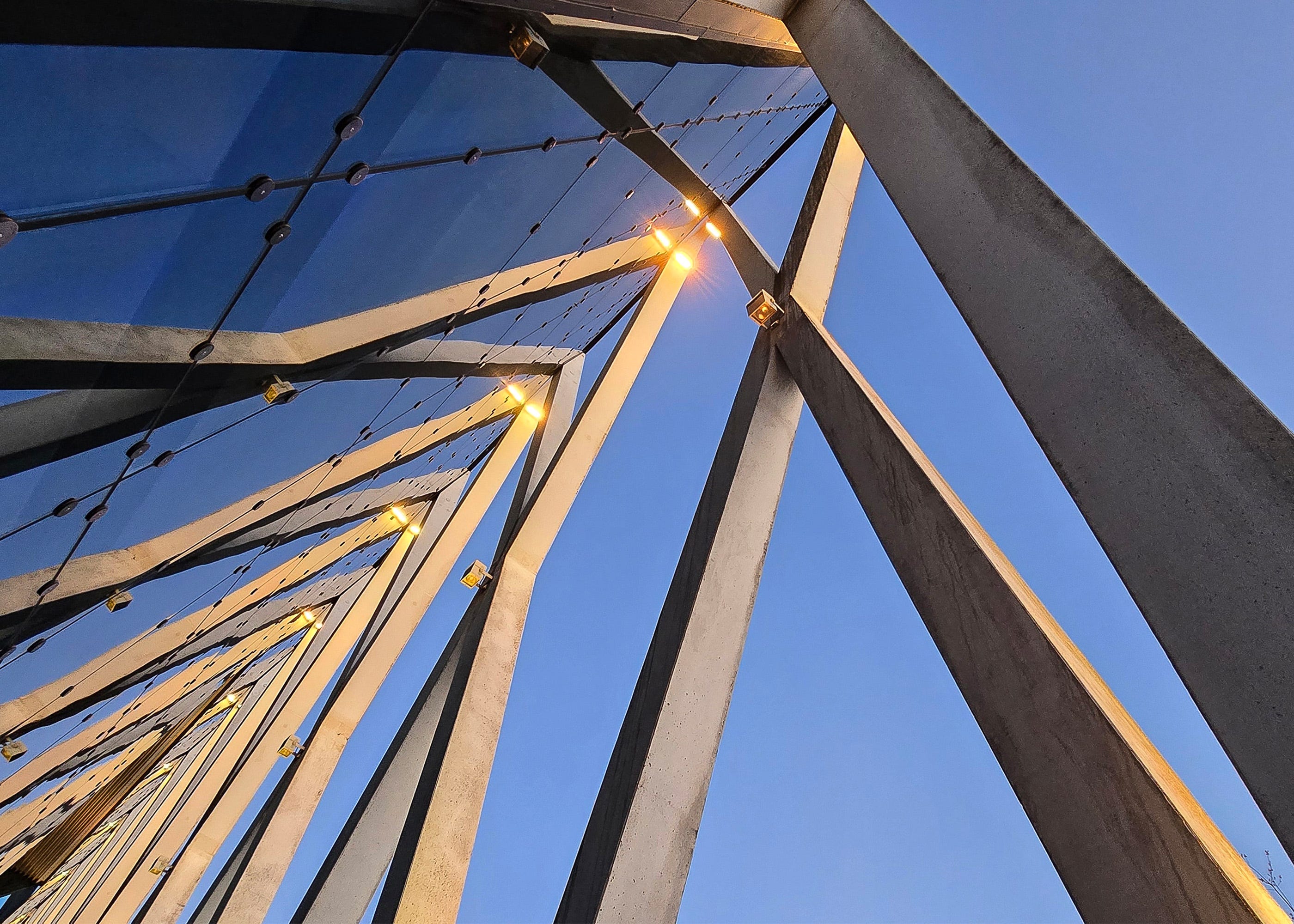
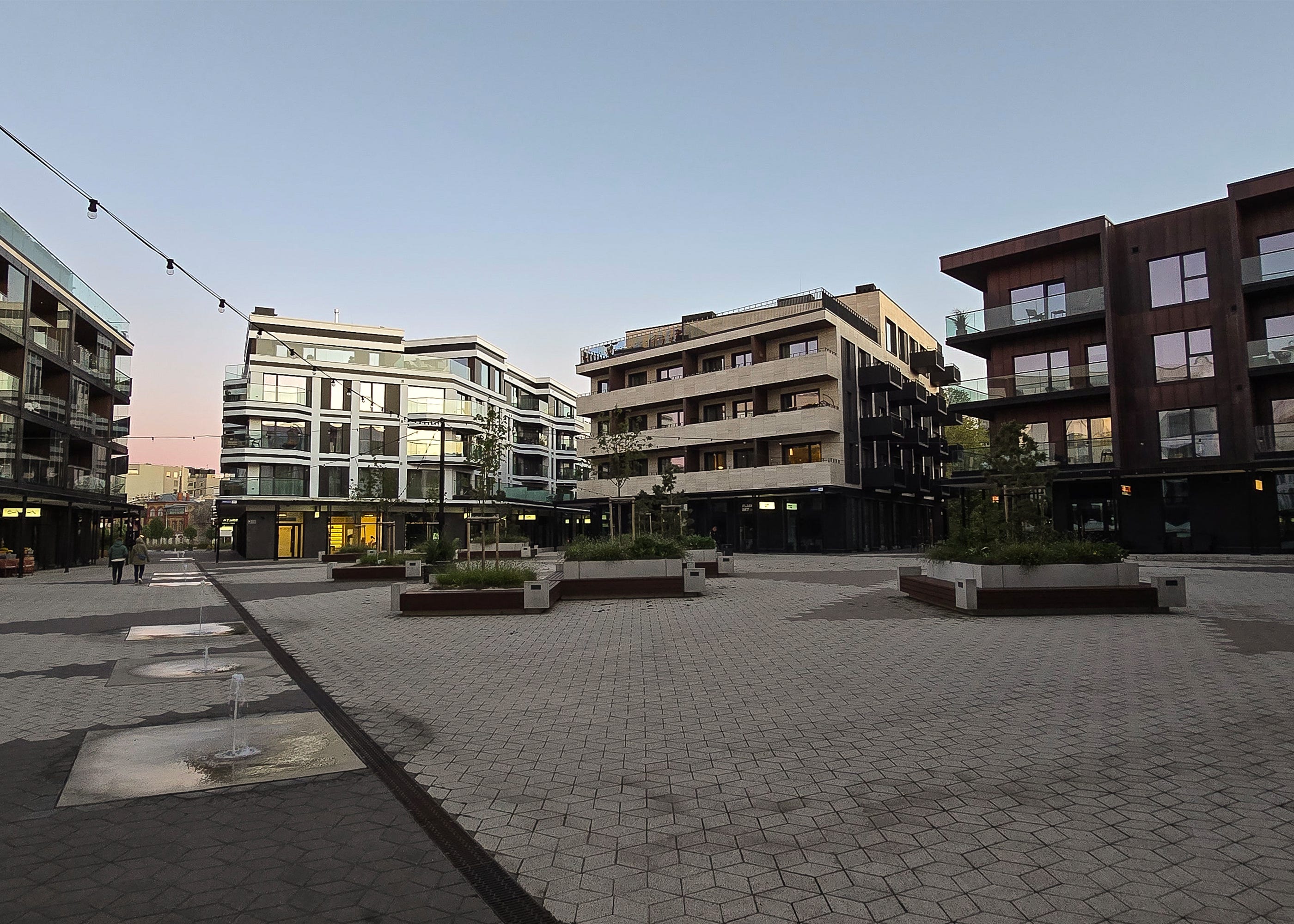
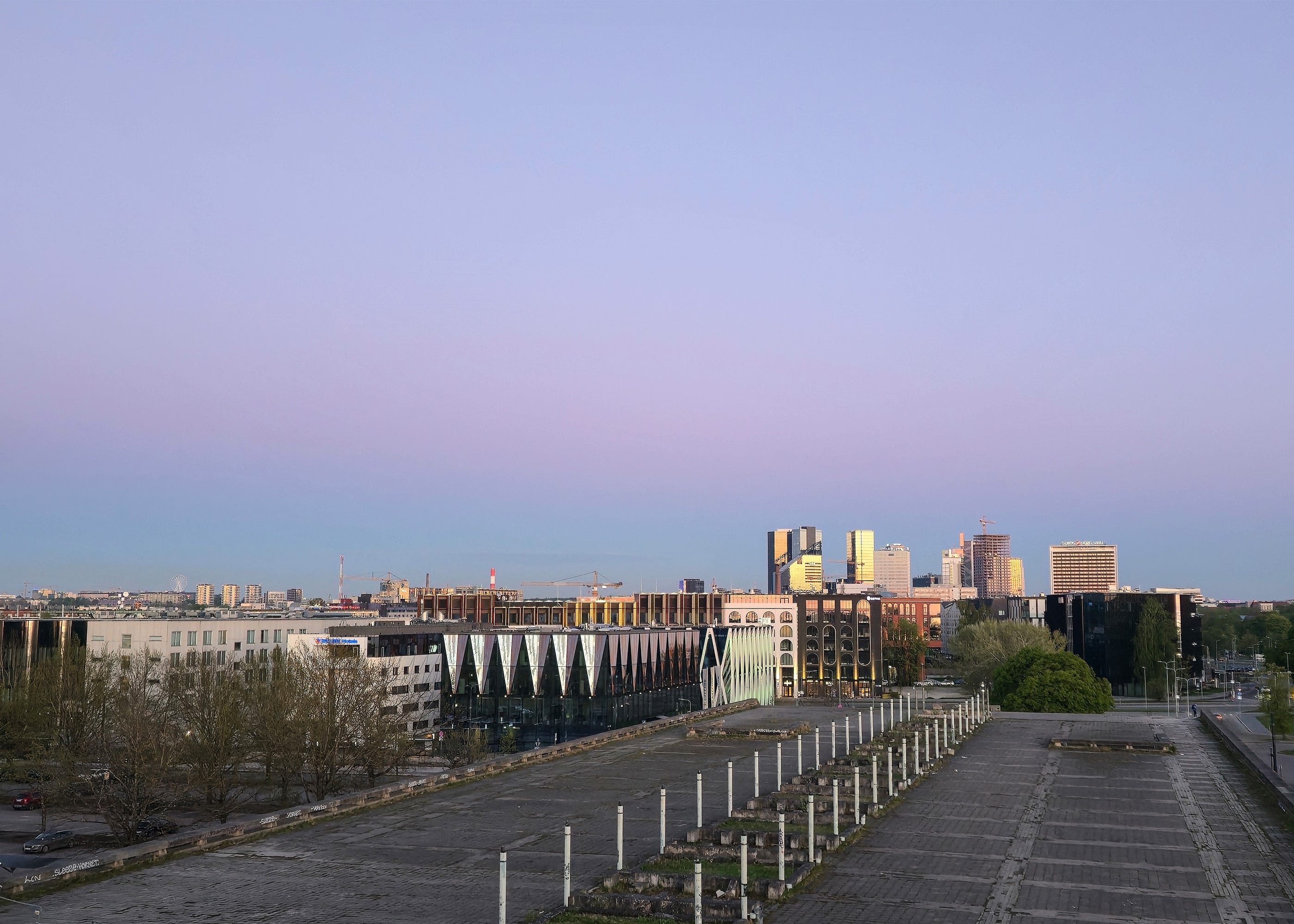
The Rotermanni Kvartal, down to the Tallinna Linnahall: 19th century brick meets contemporary glass, five minutes from the old town.
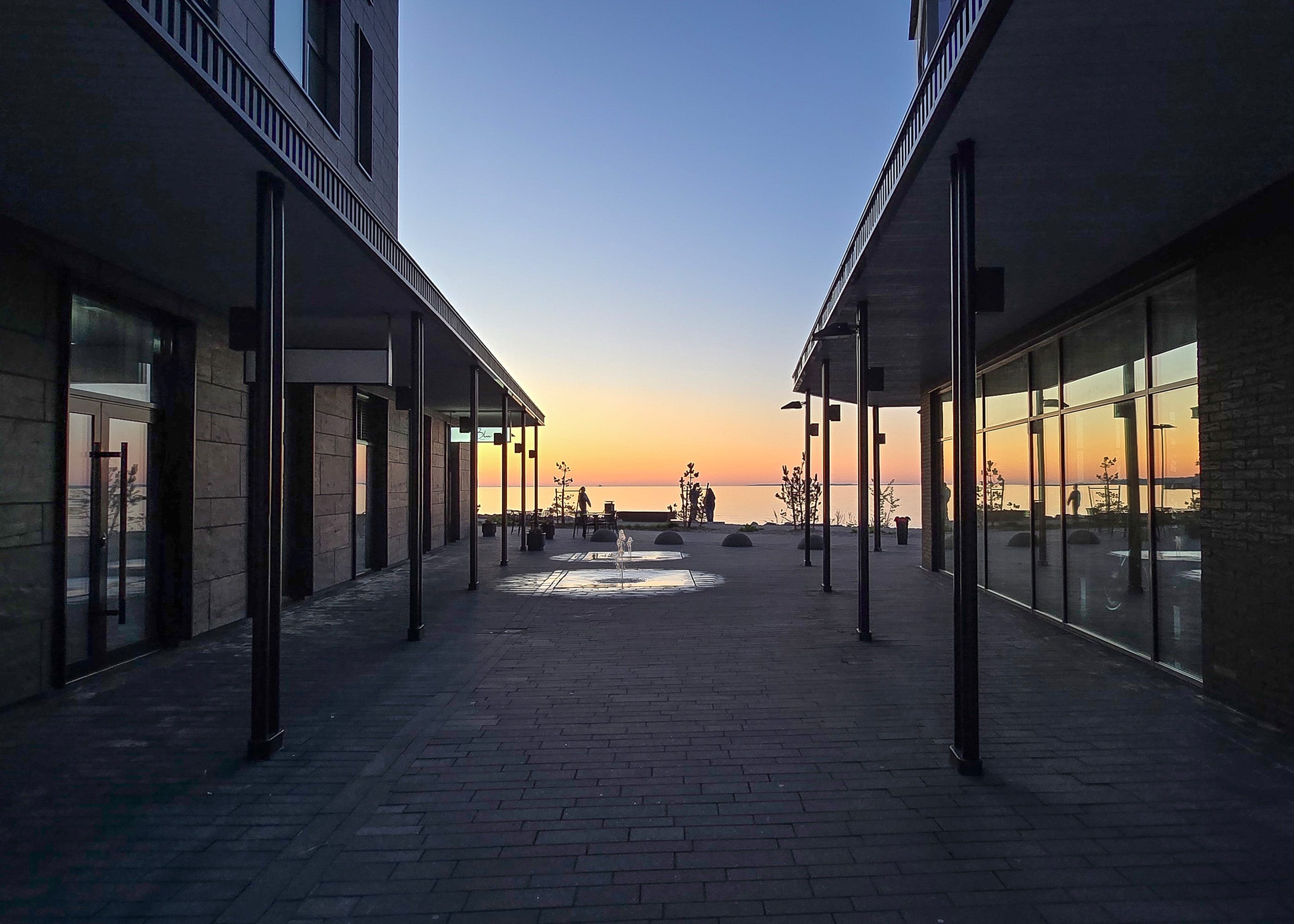
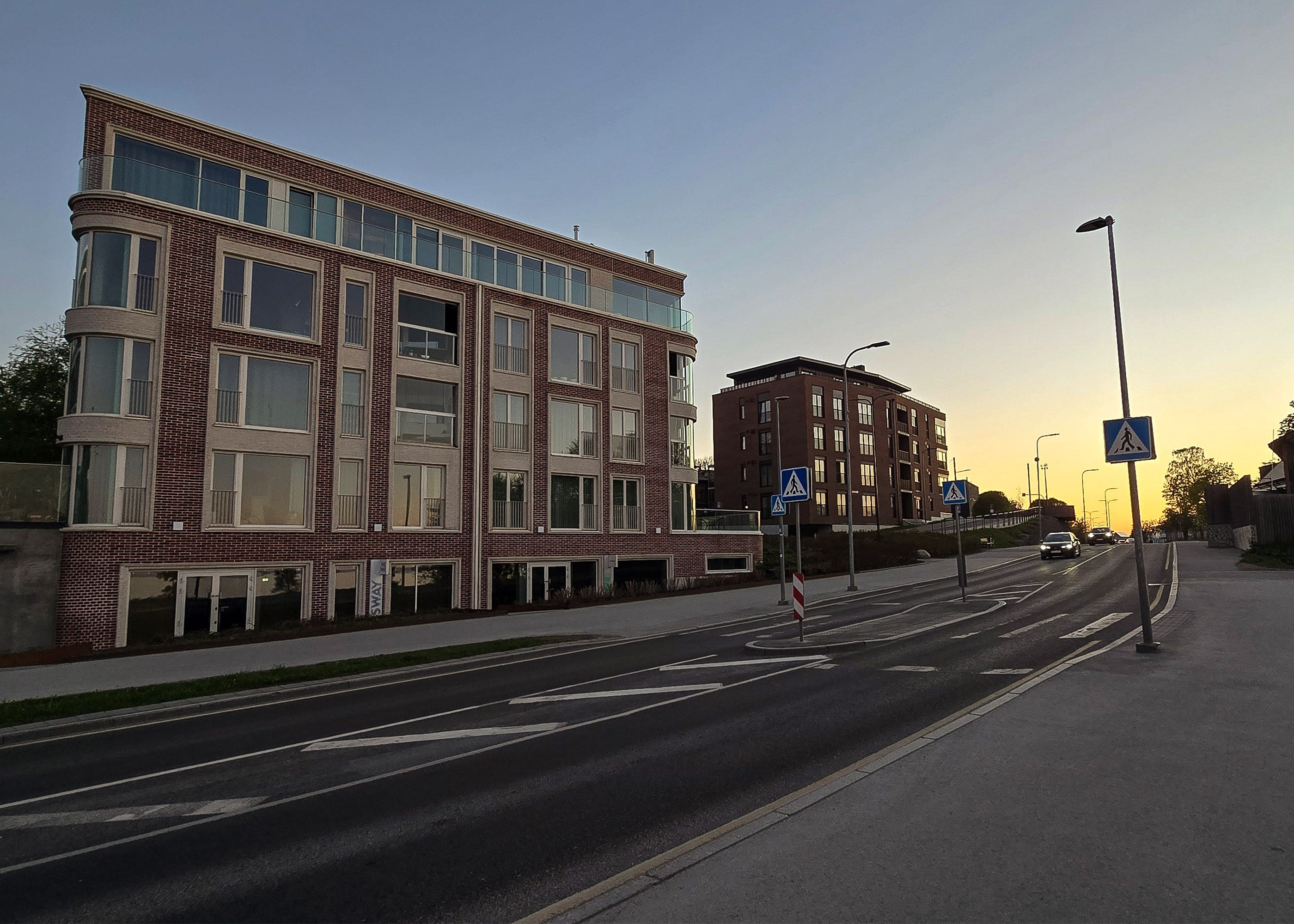
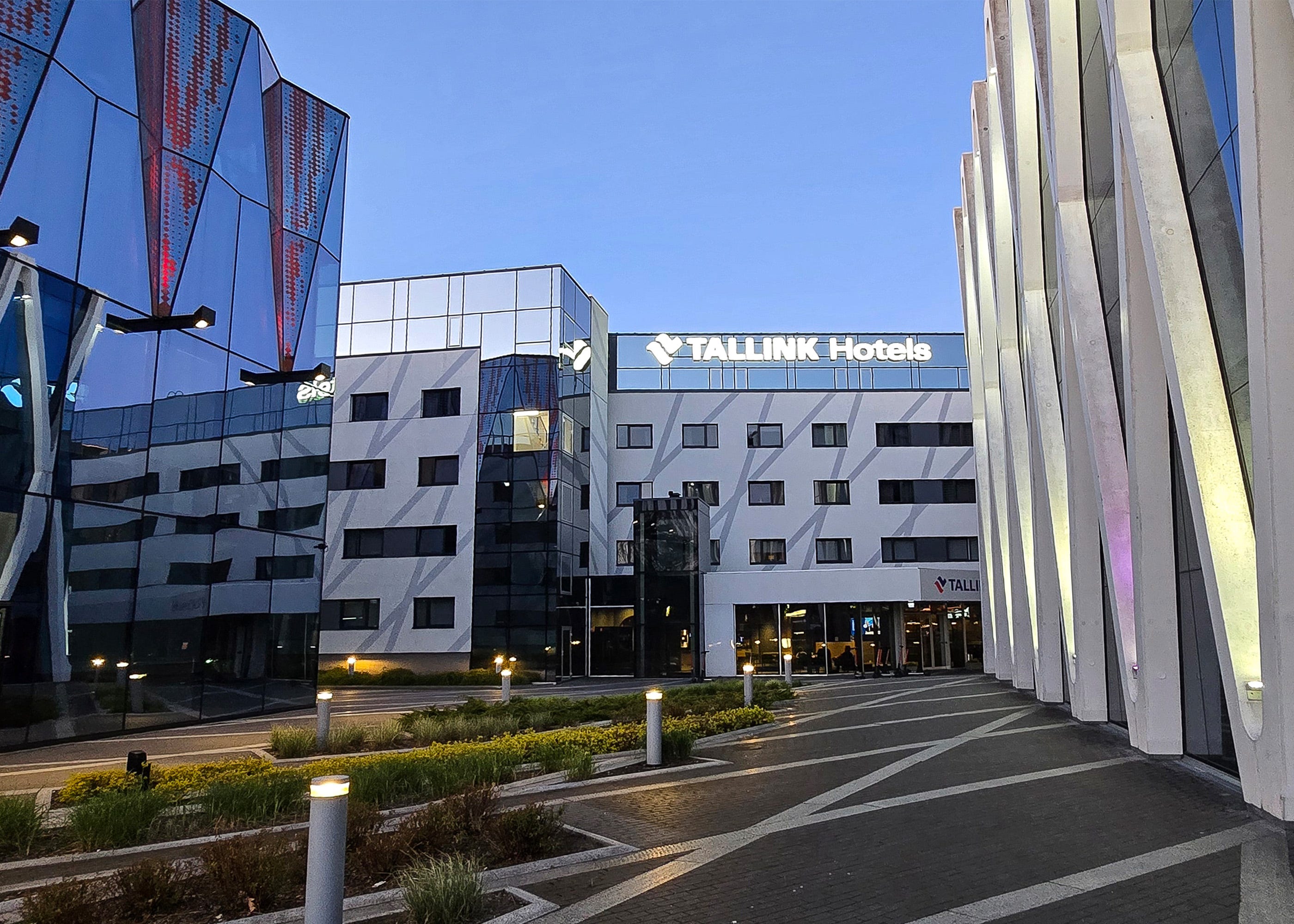
The modern part of Tallinn is one of the best examples of quality urban design
Tallinn is also the northern endpoint of Rail Baltica, now under construction, which will eventually connect Tallinn with Riga, Kaunas, and Warsaw, cutting travel time to under seven hours. That sounds like a long journey until you look at the map and understand the geography — it is a fundamentally transformative connection for a region that has been physically disconnected from the Western European rail network since the Soviet era. I have written about Rail Baltica in detail elsewhere (link) — it is one of Europe's most significant infrastructure projects and one of its most geopolitically important.
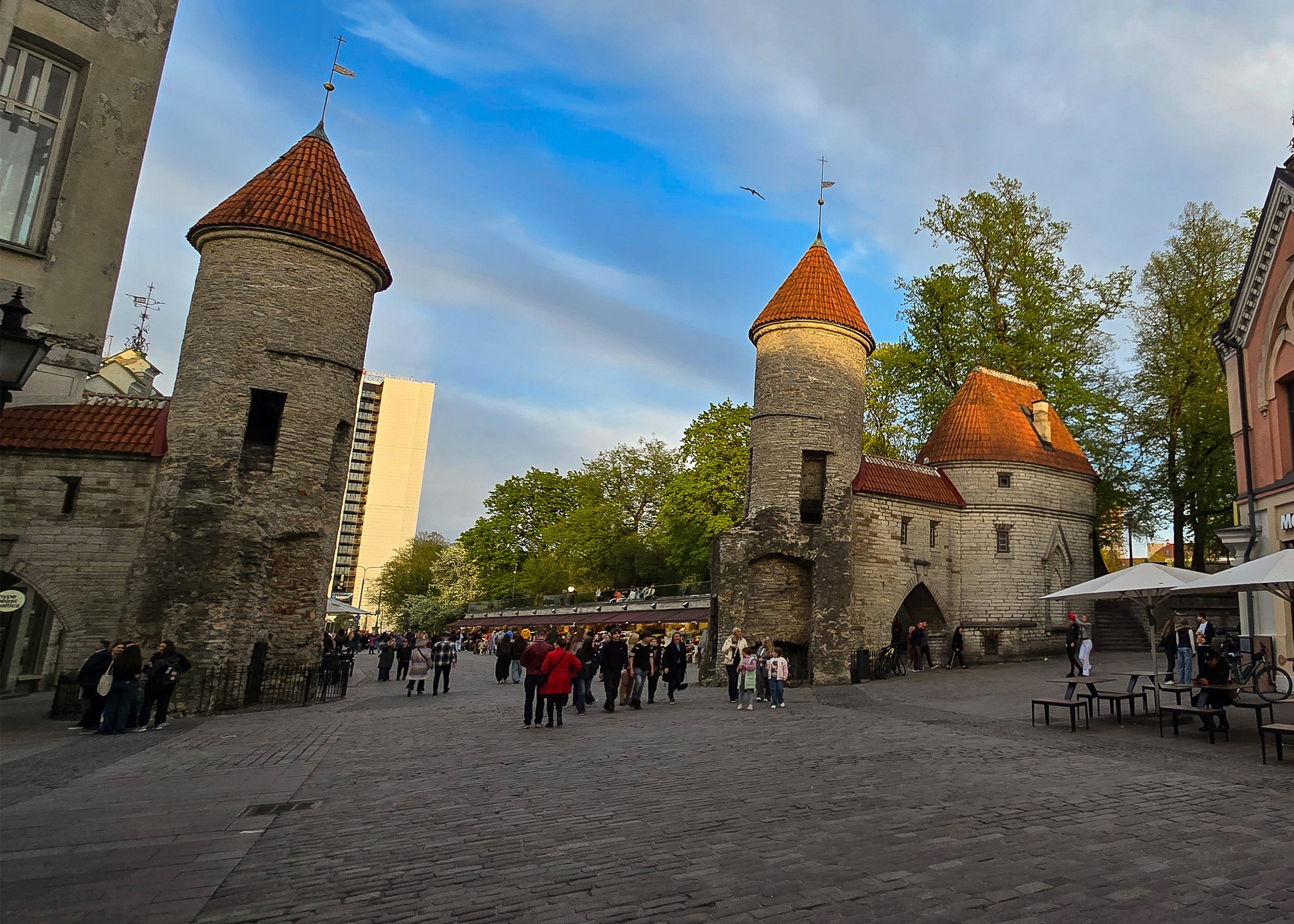
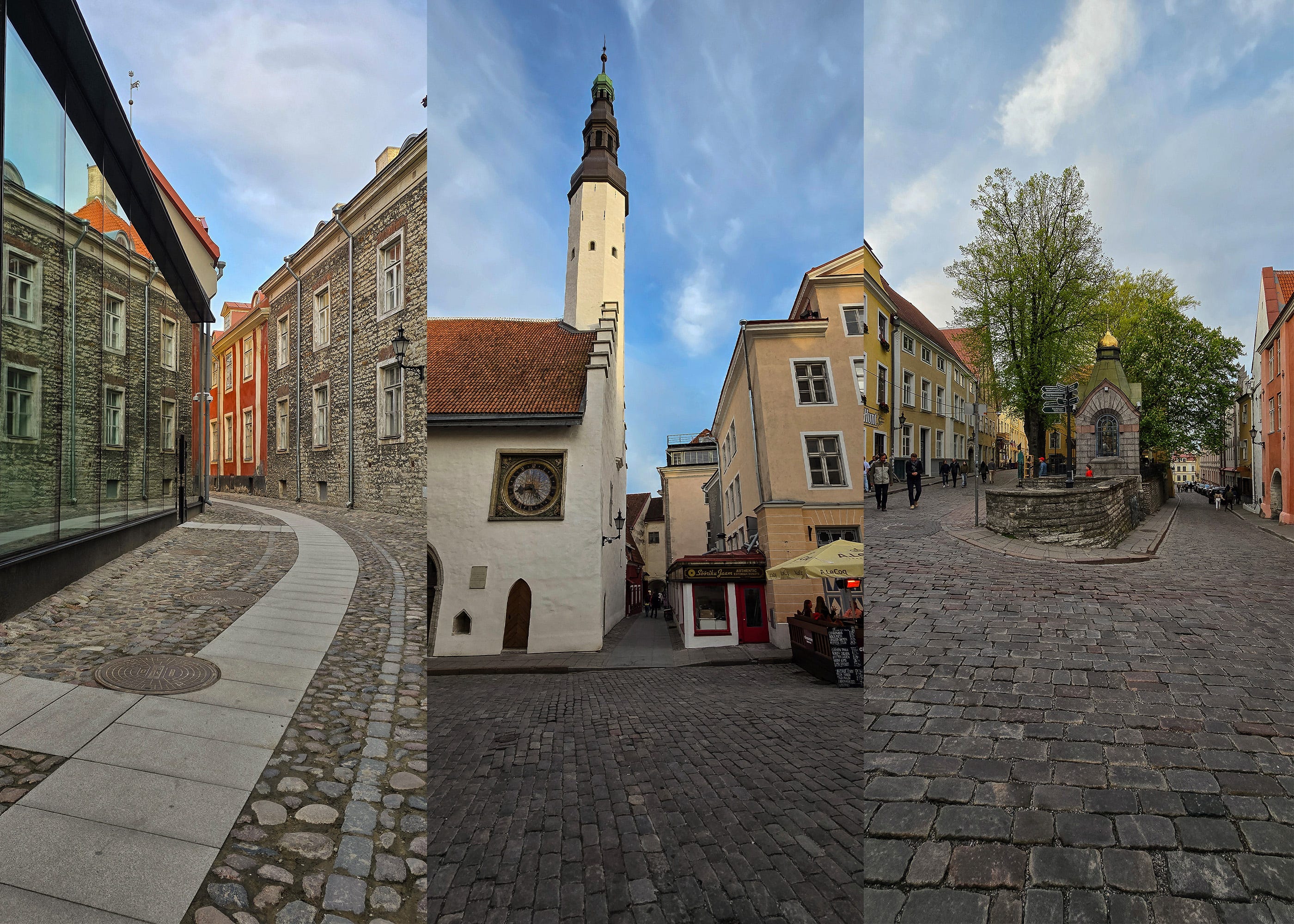
Beyond Rail Baltica, there is a serious proposal for a tunnel under the Baltic Sea connecting Tallinn to Helsinki — the so-called Talsinki tunnel. Estimated cost around €15 billion, with both Finnish and Estonian government backing at the study stage. If built, it would make Tallinn effectively a commuter city for Helsinki and reshape the entire economic geography of the northern Baltic. The funding has not yet been secured. But the fact that it is being seriously discussed tells you something about how Estonia thinks about its future. You can look at the new Ülemiste railway station close to Tallinn aiport, which is currently under construction. It’s a classic Zaha Hadid piece, looking like a space ship which landed just off the Tallinn city center. For nearly two decades her designs were considered too radical to actually construct, so no wonder it took so long until the first client dared to actually build one of Zaha Hadid’s vision for real, I think it was the fire station for the Vitra factory complex.
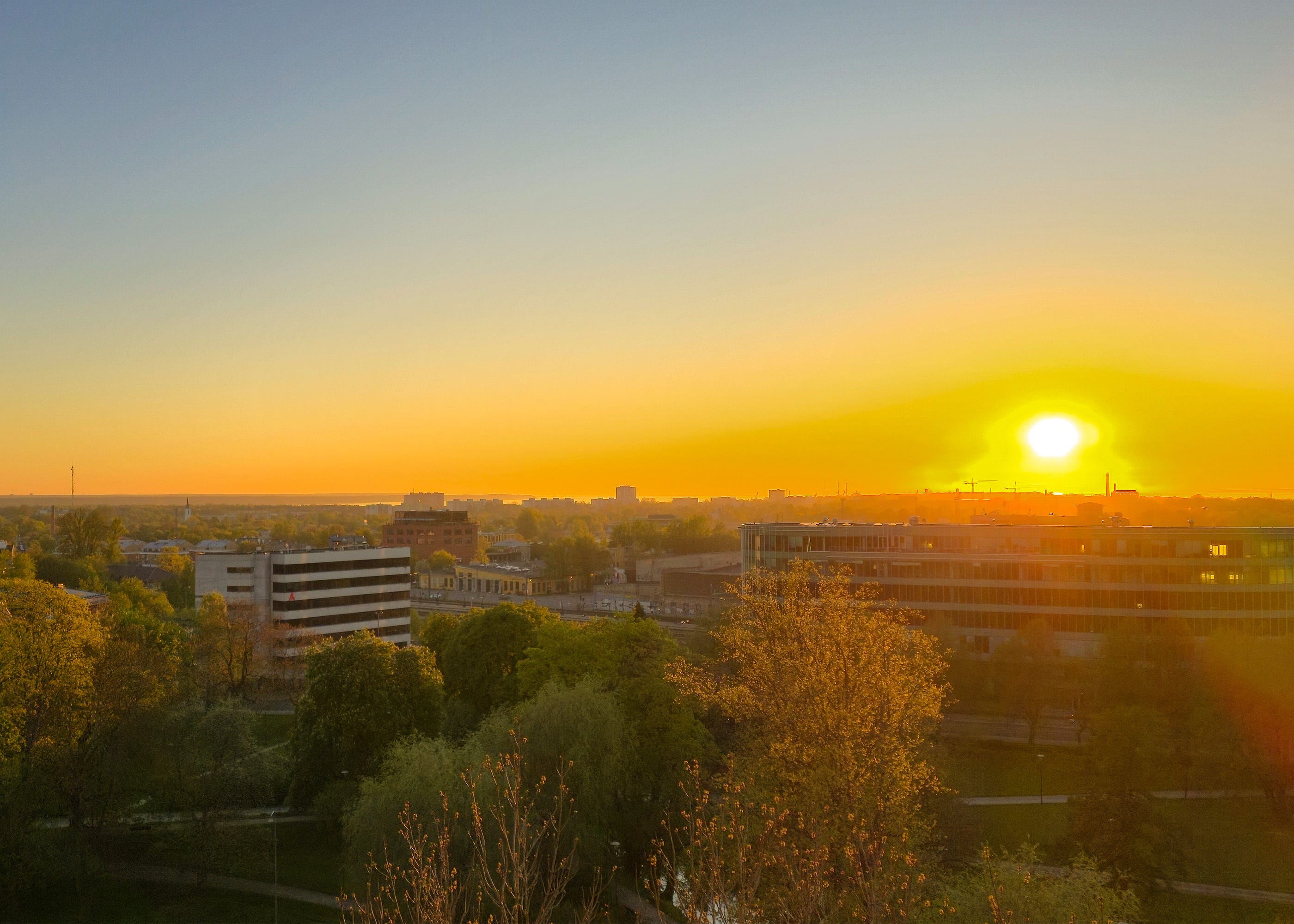
Sunday, May 17, 2026, 9:35 PM. The sun has not set yet.
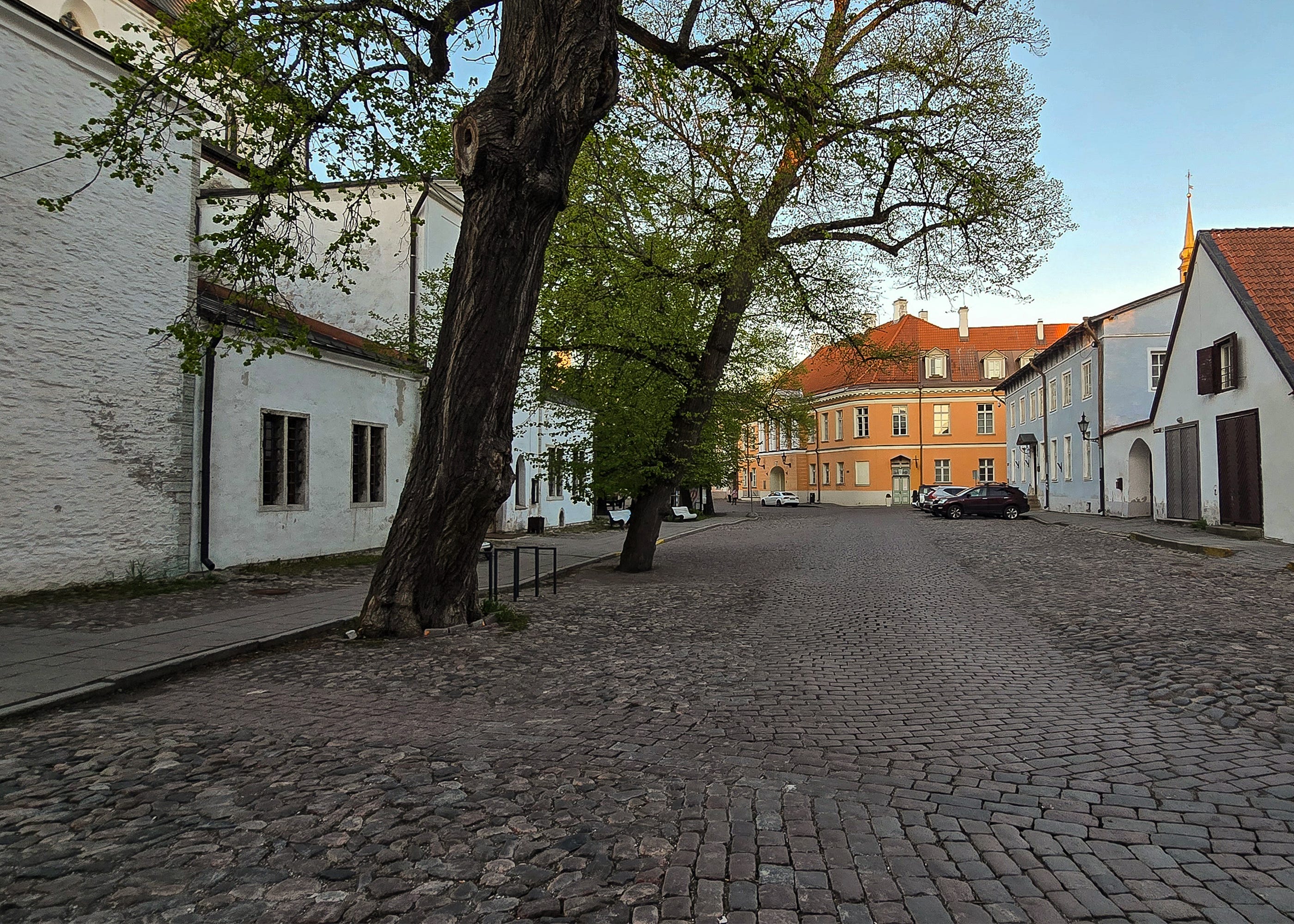
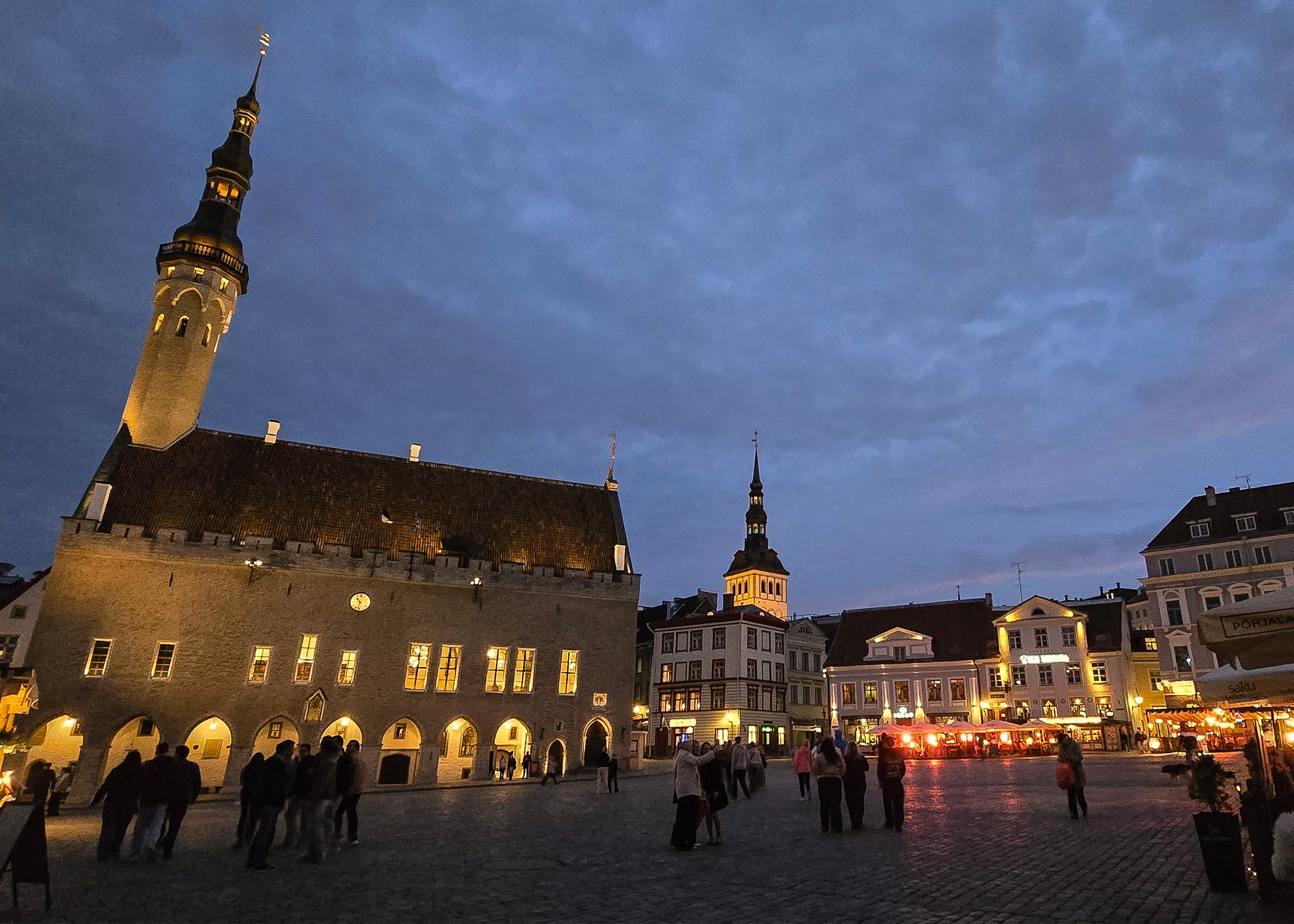
The old town. Genuinely beautiful, genuinely crowded. Go at dawn. Or when the weather is bad. Or during winter.
Getting There and Getting Around
If you are flying in from the US or Asia, Tallinn is not as easily reachable as Berlin or Barcelona. You will have to connect through Warsaw, Frankfurt, or London, which makes a weekend trip impractical. Don’t attempt the 3-day Baltic sprint with the aim of seeing everything from Tallinn to Warsaw — you will get a headache and see nothing properly. If you have enough time, rent a car and discover the Baltic countries over two or three weeks, or visit at least two of the Baltic capitals in one extended trip. Summer is the obvious time — but I have been lucky with the weather in autumn more than once. Just know that in winter it gets dark by two in the afternoon, and the cold is serious.
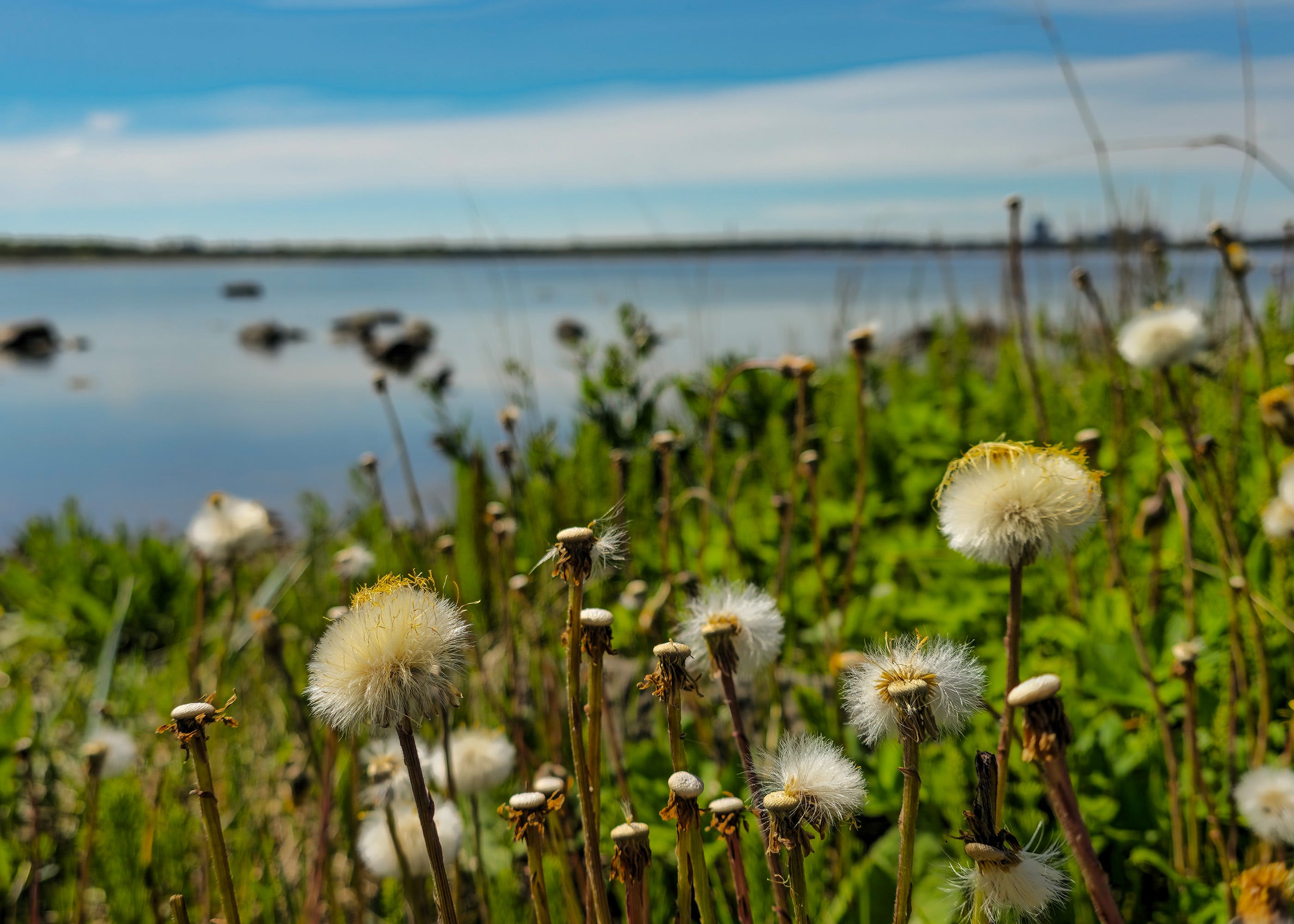
On the western and eastern fringes, Tallinn feels like a provincial coastal town. Spend time in Kopli, Karjamaa or Kalamaja and you are automatically avoiding 90% of the tourists.
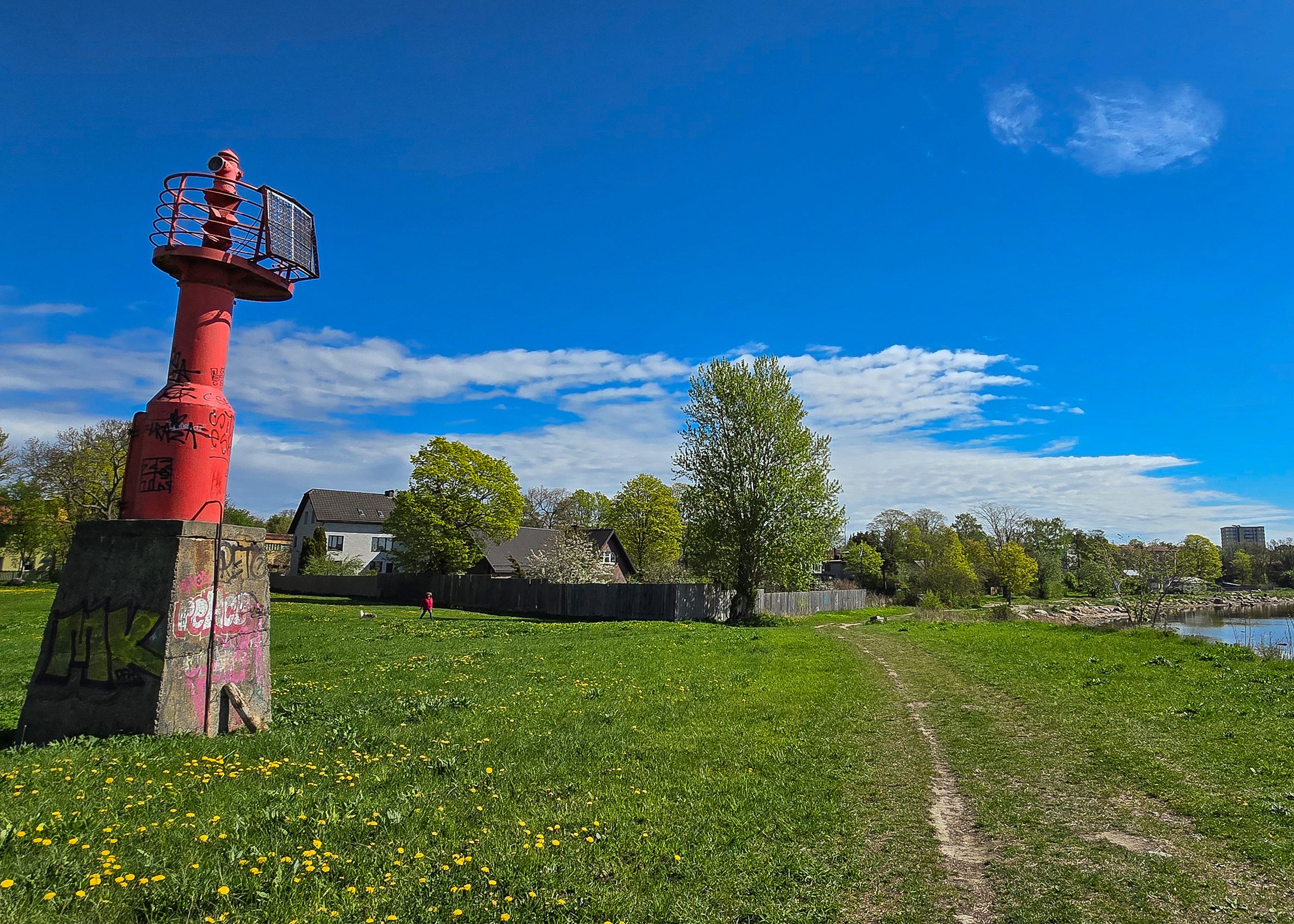
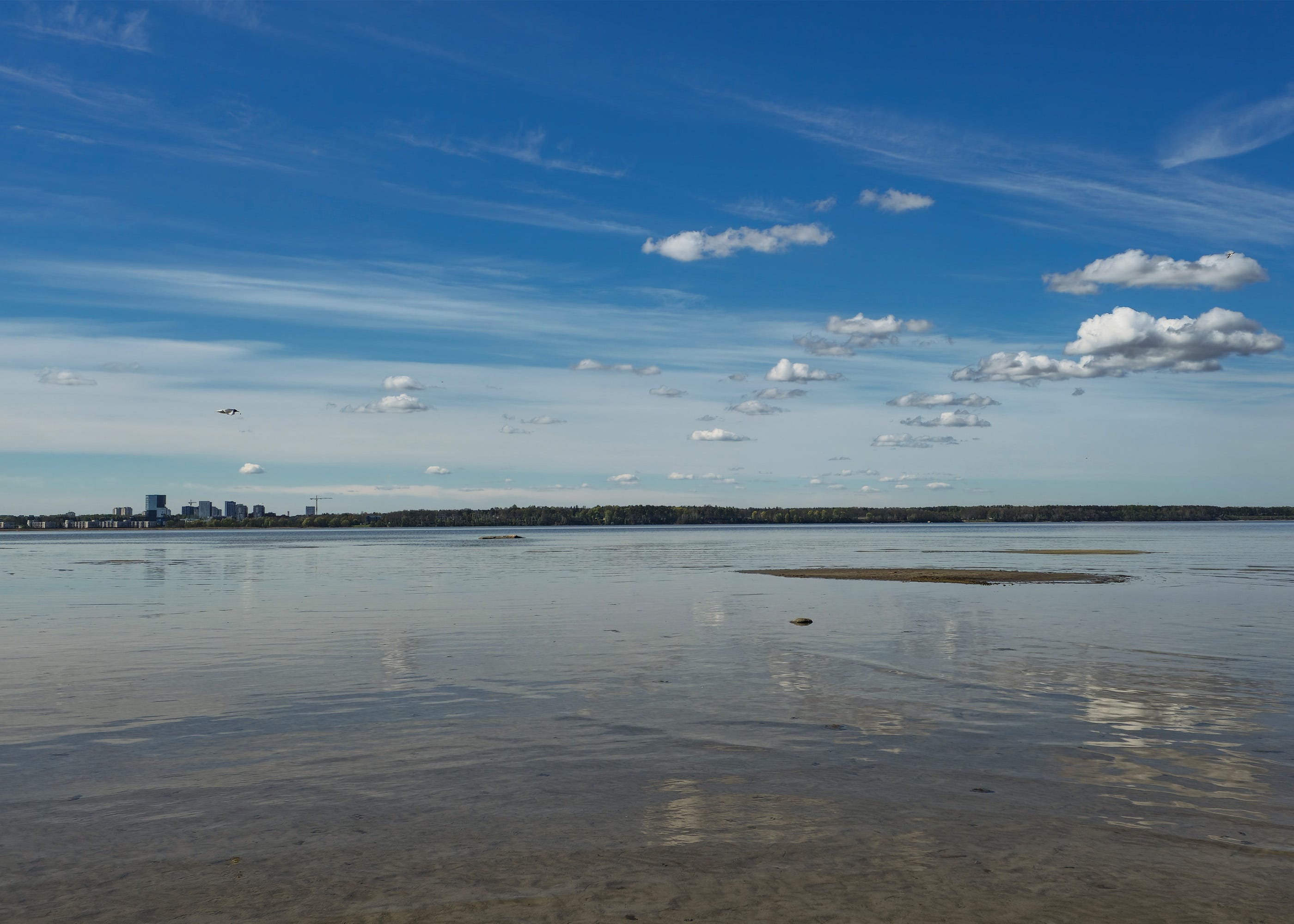
When one or two large cruise ships moor in port, expect thousands of sandals-clad tourists to flood the old town. You'll know immediately. And you'll know it's time to migrate to a calm restaurant in Kopli or Kadriorg.
On that note, there is a small but real risk that Tallinn goes the way of Prague. Because of its beauty, its culture, and its proximity to Germany and Western Europe, Prague has over the years become a tourist-flooded, must-see, bucket-list checkbox for mainstream visitors from across the world — which makes it, in my opinion, considerably less attractive to visit or stay in for any extended period. Each time I return to Tallinn the tourist density has increased. You have to go further and further from the center to find the real city and actually talk to real Estonians.
A full deep dive on Tallinn and Estonia — cost of living, doing business, logistics, property — is coming in the months ahead. You will have everything you need to decide whether Tallinn is the right place to spend more time, set up a business, or put down roots.
Tallinn is a remarkable city. The mix of Eastern European awareness and Nordic lightness makes the place and its people genuinely interesting — and occasionally surprising in ways you don’t expect.